
Flowers
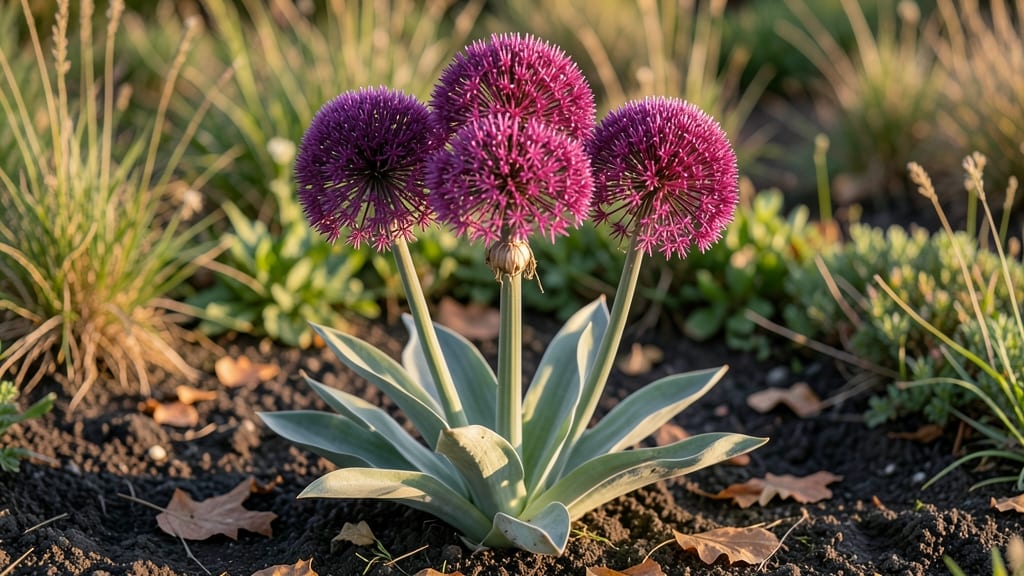
Allium flowers bloom in spring, with their stunning 🌸🌸🌸 clusters arriving between April and June depending on your USDA zone and variety.
Picture this: your garden bursting with globe-shaped blooms in shades of purple, white, or pink—just when you thought spring couldn’t get any prettier. But here’s the catch: timing varies wildly from zone to zone, and even the wrong variety can leave you waiting until summer for those showstopping blooms.
In USDA Zone 6a, where many gardeners live, alliums typically bloom from late April through early June, but cooler zones like 4 may see them as late as July. Meanwhile, warmer zones like 7 or 8 could enjoy early blooms as soon as February or March.
Below, I’ll break down the exact months for your zone, share tricks to extend the bloom season, and reveal the best varieties for early, mid, and late-season color—so you never miss a single stunning 🌸.
Allium bloom times by USDA zone: month-by-month guide for gardeners
Timing your allium blooms is easier than ever with this USDA zone guide. Whether you're growing globemaster alliums for their dramatic purple spheres or ornamental onions for pollinators, knowing the exact months they bloom helps you create a year-round floral display.
From early spring in Zone 3 to late summer in Zone 10, alliums offer staggered beauty that keeps gardens vibrant.
Alliums thrive in cool to warm climates, but their bloom times shift dramatically across zones. In northern zones (3-5), expect early spring blooms as soon as March, while southern zones (8-10) may see late-season blooms extending into June or July.
This guide breaks down the month-by-month timeline for three popular types: globes alliums, giant alliums, and ornamental onions.
In USDA Zones 3-4, early bloomers like 'Purple Sensation' emerge as soon as soil thaws, often by mid-March. These hardy alliums thrive in cool spring temperatures and provide critical early nectar for bees. Pair them with dwarf daffodils for a low-maintenance spring border that blooms before most perennials.
Zones 5-6 enjoy a longer bloom window, with early varieties like 'Haarlem Pearl' opening in late March and giant alliums like 'Drumstick' stretching blooms into mid-July.
This extended season lets you stagger plantings for continuous color. Try planting early bloomers in fall and late varieties in spring to maximize your display.
Gardeners in Zones 7-8 can push allium blooms into summer with heat-tolerant varieties like 'Giant Flower'. These tall alliums (reaching 4 feet) thrive in hotter climates and bloom from late April through July.
Use them as backdrop plants in mixed borders or cut flower gardens—their long stems hold up well in arrangements.
For Zones 9-10, alliums bloom earlier and later than in cooler zones. 'Purple Rainbow' often starts flowering in February, while 'Schubert' can extend blooms into July.
These tropical-adapted alliums appreciate afternoon shade in peak summer to prevent bud drop. Mulch heavily to retain moisture and cool roots during dry spells.
To extend blooms, deadhead spent flowers promptly—this encourages second flushes in many varieties. For longer vase life, harvest stems when buds are just opening and place them in cool water. Avoid over-fertilizing with
How to extend allium bloom season: pruning, deadheading, and companion planting tips
Want your allium flowers to bloom for weeks instead of days? The secret lies in smart pruning, deadheading, and companion planting. I’ve learned that even one simple technique—like deadheading spent blooms—can add 3-4 weeks to your allium’s showtime.
But timing matters: prune too early, and you cut off future blooms; too late, and you miss the chance to encourage reblooming.
Alliums like ‘Globemaster’ and ‘Purple Sensation’ are especially responsive to these tricks. They thrive when paired with pollinator-friendly plants like lavender or thyme, which attract bees and butterflies that help fertilize new blooms. The key is understanding when to intervene and how to create a supportive garden ecosystem.
Here’s my step-by-step guide to maximizing your allium’s bloom season—plus common mistakes that rob you of those stunning 🌸🌸🌸 clusters.
🌱 Numbered Highlights: When to Extend Allium Blooms
- 🌱 Step 1: Deadhead spent blooms immediately after they fade—this redirects energy to new flower stalks.
- 🌱 Step 2: Prune foliage by ⅓ after blooming to encourage reblooming in late summer.
- 🌱 Step 3: Plant companions like lavender or thyme to attract pollinators that boost flower production.
- 🌱 Step 4: Stagger planting times (e.g., early spring + late summer) for continuous blooms.
- 🌱 Step 5: Avoid over-fertilizing with nitrogen—it promotes leaves over flowers.
Deadheading is the easiest way to extend blooms. Once your allium flowers start wilting, snip the entire flower head down to the base of the stem. This prevents seed production and tricks the plant into focusing on new growth instead.
I’ve seen ‘Haarlem Pearl’ alliums rebloom in late summer this way—just when your garden needs a second burst of color!
Companion planting works wonders. Pair alliums with lavender or thyme to create a pollinator magnet. Bees and butterflies love these combos, and their visits help fertilize your alliums for longer-lasting blooms. Plus, the aromatic herbs deter pests like aphids, which can stress your plants and shorten their bloom time.
One mistake I see often? Pruning too aggressively after blooming. While a light trim encourages reblooming, cutting back more than ⅓ of the foliage starves the bulb of energy for next year.
Save heavy pruning for after the leaves yellow in late summer—this ensures your allium stores up nutrients for another stunning show.
For a nonstop allium display, stagger plantings. Try some bulbs in early spring and others in late summer. This way, as the first batch fades, the second takes over, keeping your garden bursting with color from April through July. It’s like having a built-in bloom calendar!