
Flowers
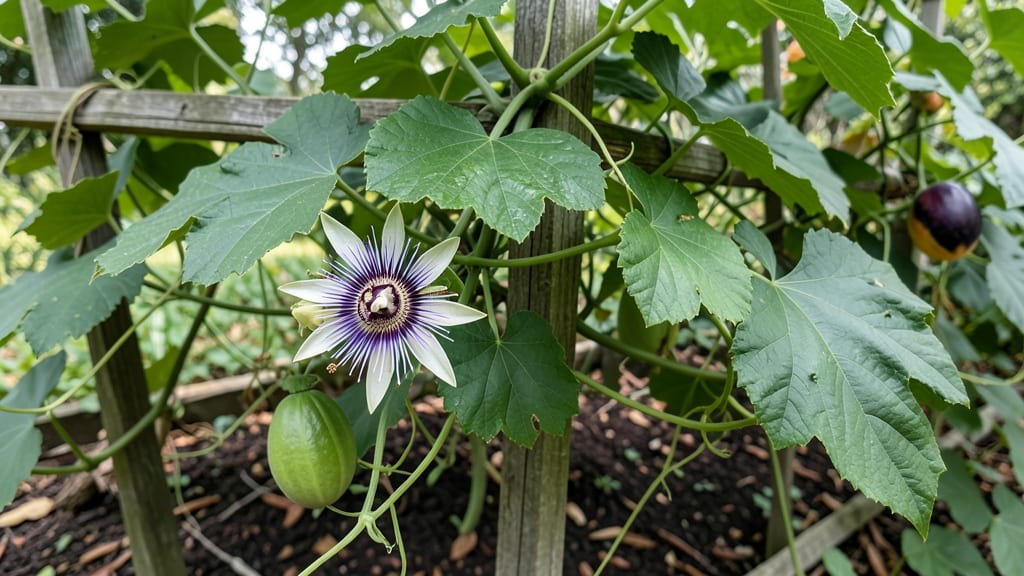
Turning a passionfruit flower into a fruit is the magic step most gardeners miss—even with healthy vines, poor pollination can leave you with empty blossoms instead of harvests.
Picture this: you’ve nurtured your 🍈 passionfruit vine through the growing season, only to watch its flowers drop without a trace. That’s not just bad luck—it’s often a fixable gap in how you’re supporting pollination. The right techniques can turn that frustration into a bounty of sweet, tropical fruit.
In tropical and subtropical zones (USDA 9-11), passionfruit thrives year-round—but only if you understand the 3 key stages of flower-to-fruit development. From hand-pollination tricks to attracting the right insects, I’ll show you exactly how to maximize every blossom’s potential.
Here’s what you’ll learn: the timing for hand-pollination, how to troubleshoot flower drop, and the simple soil and watering tweaks that boost fruit set by up to 40%. Let’s get those vines producing!
How passionfruit flowers transform into fruit: the pollination process explained
Passionfruit vines produce some of the most unique and complex flowers in the garden, but their transformation into fruit depends entirely on proper pollination mechanics. Unlike many fruits, passionfruit flowers contain both male and female reproductive parts, yet they still require external pollinators—or human intervention—to set fruit.
This 3-stage development process begins with flower anatomy and ends with a harvestable fruit, but only if you understand the critical steps.
The journey from flower to fruit starts with the passionfruit flower's intricate structure, featuring five petals, a tubular corona, and five stamens surrounding a central stigma. These flowers typically bloom in the morning and must be pollinated within 24 hours to ensure fruit development.
Without pollination, the flower will wilt and drop, leaving you with empty blossoms and no harvest potential. The key to success lies in recognizing when flowers are ready for pollination and understanding what triggers fruit set.
| Stage | Key Characteristics | Timeframe | Critical Factors |
|---|---|---|---|
| Stage 1: Flowering | Bright, fragrant flowers with 5 petals and a tubular corona; stamens and stigma visible. | 1-2 days (morning bloom) | Pollinator presence (bees, butterflies) or hand-pollination. |
| Stage 2: Fruit Set | Small green fruit (1-2 inches) forms; petals wilt and fall off. | 3-7 days post-pollination | Sufficient phosphorus, consistent watering, and temperatures above 60°F. |
| Stage 3: Fruit Maturation | Fruit grows to 3-6 inches; color changes from green to yellow/purple/red (varies by variety). | 6-8 months total | Full sun exposure, balanced fertilization, and pest control. |
Natural pollination of passionfruit flowers relies heavily on insect visitors like bees, butterflies, and hummingbirds, which transfer pollen from the stamens to the stigma. However, in many home gardens—especially in urban or isolated areas—pollinators may be scarce, leading to poor fruit set.
This is where hand-pollination becomes a game-changer. Studies show that manually transferring pollen can increase fruit yield by 40-60%, making it a simple yet effective technique for gardeners eager to maximize their harvest.
To identify viable flowers ready for pollination, look for fully open blossoms with bright petals and a visible corona. The stamens (male parts) should be dusted with yellow pollen, and the stigma (female part) will appear as a small, raised bump in the center.
Flowers that are partially open or wilted are past their pollination window and won’t produce fruit. Timing is everything—pollinate in the early morning when flowers are freshest and pollen is most abundant.
Wind pollination plays a minimal role in passionfruit production, as their flowers aren’t adapted to catch airborne pollen. Instead, the tubular shape of the corona directs pollinators inward, ensuring direct contact with the reproductive parts.
If you’re growing passionfruit in a greenhouse or screenhouse, where pollinators are excluded, hand-pollination isn’t just helpful—it’s essential. Use a small paintbrush or cotton swab to gently transfer pollen from the stamens to the stigma, mimicking how bees would naturally pollinate the flower.
Once pollination occurs, the flower’s petals will begin to wilt and fall off within 24-48 hours, leaving behind a tiny, green fruit. This marks the transition to Stage 2: Fruit Set, where the ovary swells and develops into a passionfruit.
During this phase, the fruit is highly susceptible to environmental stress, such as temperature fluctuations or drought. Maintain consistent moisture and ensure your vine receives 6+ hours of sunlight daily to support healthy growth.
A balanced fertilizer with high phosphorus (e.g., 5-10-10 NPK) will also encourage robust fruit development.
The final stage of fruit maturation is where patience pays off. Passionfruit takes 6-8 months to reach harvest readiness, during which time the fruit will grow in size and change color. Purple passionfruit varieties develop a deep violet hue, while yellow varieties turn a bright golden color.
The fruit’s skin may also develop a waxy texture, and it will feel slightly heavy for its size. Harvest when the fruit separates easily from the vine with a gentle twist—a sign that it’s ripe and ready to enjoy.
Understanding this pollination-to-harvest timeline helps you troubleshoot issues like flower drop or poor fruit set before they become problems. For example, if you notice many flowers wilting without setting fruit, it could indicate a lack of pollinators or improper hand-pollination technique.
By monitoring each stage closely and providing the right conditions, you’ll transform those stunning passionfruit flowers into a bountiful harvest of sweet, tangy fruit.
🌱
5 Proven methods to boost passionfruit fruit set and prevent drop-off
Passionfruit vines can produce stunning flowers, but converting those blossoms into fruit requires the right pollination strategy. Many gardeners miss out on harvests because they don’t understand the critical window between flower opening and fruit set.
With these five proven methods, you can maximize your chances of turning every flower into a juicy passionfruit.
First, let’s tackle the biggest challenge: passionfruit flowers often drop off before setting fruit due to poor pollination. Whether your vines are in full sun or partial shade, these techniques will help you bypass common pitfalls.
The key lies in mimicking nature’s pollinators or stepping in with manual intervention when needed.
⚠️ PROS-CONS BOX: Natural vs. Assisted Pollination
Natural Pollination
- Pros:
- ✅ Low effort – No manual work required
- ✅ Eco-friendly – Relies on bees and butterflies
- ✅ Best for large gardens – Works well with abundant pollinators
- Cons:
- ❌ Unreliable – Depends on pollinator presence
- ❌ Weather-dependent – Rain or cold can reduce success
- ❌ Lower yields – Typically 30-50% fruit set
Assisted Pollination
- Pros:
- ✅ Guaranteed results – Up to 90% fruit set with hand-pollination
- ✅ Controlled timing – Pollinate at optimal times
- ✅ Works in any climate – No reliance on pollinators
- Cons:
- ❌ Time-consuming – Requires daily checks during flowering
- ❌ Manual effort – Needs consistent attention
- ❌ Best for smaller vines – Large plants may be impractical
Method 1: Hand-Pollination for Guaranteed Results. If your garden lacks pollinators, take matters into your own hands. Use a soft paintbrush or cotton swab to transfer pollen from the male flowers (usually smaller, greenish) to the female flowers (larger, purple).
Do this early morning when flowers are fully open and dew is present for best adhesion.
Method 2: Plant Pollinator-Friendly Companions. Attract bees and butterflies by planting native flowers like lavender, marigolds, or sunflowers nearby. These companion plants not only boost pollination but also deter pests. Place them within 10-15 feet of your passionfruit vines for maximum effectiveness.
Method 3: Use Organic Sprays to Reduce Flower Drop. Apply a boron solution (1 tsp boron per gallon of water) every 2 weeks during flowering. Boron helps prevent flower abortion and supports cell wall development. Spray in the early morning to avoid leaf burn from evaporation.
Method 4: Prune for Better Airflow and Sunlight. Overgrown vines can shade flowers, reducing their ability to attract pollinators. Prune excessive foliage to ensure 6+ hours of sunlight reaches the flowers. This also improves air circulation, reducing humidity-related issues like fungal infections.
Method 5: Water Deeply in the Morning. Passionfruit flowers are sensitive to water stress. Water deeply at the base of the plant every 3-5 days, ensuring the soil stays consistently moist but not waterlogged. Avoid wetting the flowers to prevent pollen wash-off and fungal diseases.