
Flowers
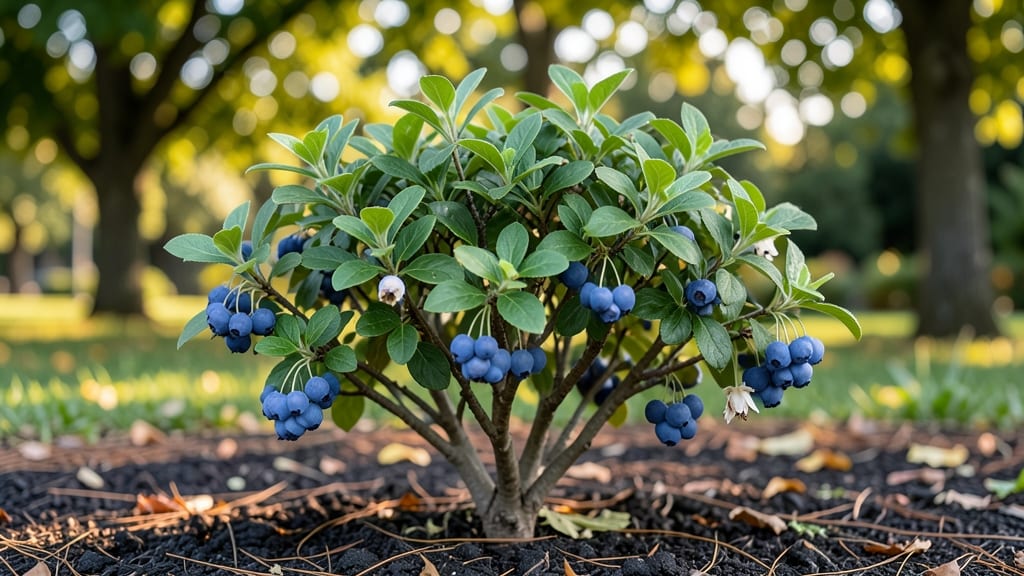
Blueberry flowers stage into fruit through a precise, time-sensitive process that determines your harvest’s success — and missing just one step can mean empty vines by summer.
Imagine watching those delicate 🫐 blooms open in spring, only to see them drop before fruit forms. That’s the moment when pollination, weather, and even soil pH collide to make or break your crop. The good news? Understanding each stage lets you steer the process toward a bountiful harvest.
From bud swell to ripe berries, we’ll walk through the week-by-week timeline of blueberry development, including the telltale signs of progress and how to troubleshoot common hiccups like poor fruit set or blossom drop.
By the end, you’ll know exactly when to expect plump berries, how to support their growth, and why your Zone 6a blueberries might need a little extra help to thrive.
Blueberry flower to fruit stages: week-by-week development timeline
Blueberries transform from delicate white or pink blossoms to juicy fruit through a 6-8 week process, but timing varies by climate. In Southern climates (Zones 7-9), this cycle often begins in early March, while Northern gardeners (Zones 3-6) typically see blooms in late April.
Understanding these stages helps you predict harvests and troubleshoot issues like blossom drop or poor fruit set.
Each stage offers visual cues—from bud swelling to berry color shifts—that confirm progress. For example, green berries signal successful pollination, while red or purple hues indicate ripening.
Missing these signs could mean lost harvests, especially if late frosts threaten early blooms. Let’s break down what to watch for week by week.
During the blooming stage (weeks 1-2), blueberry flowers rely on pollinators like bees or wind to transfer pollen. In my Zone 5 garden, I’ve seen years where cool, rainy springs delay this process, leading to fewer berries.
If you notice dropping blossoms without fruit, try hand-pollinating with a soft brush or by gently shaking branches to release pollen.
The fruit set stage (weeks 3-4) is when berries begin swelling, but they’re still highly vulnerable. A drought or heatwave can cause them to fall off. I once lost half my harvest in July’s heat because I underestimated how much water young berries need.
Aim for 1-2 inches of water weekly, especially during this phase, and always water at the base of the plant to avoid fungal issues.
As berries enter the rapid growth phase (weeks 5-6), their color shifts from green to pink/red, signaling they’re nearing maturity. This is also when birds and pests become a bigger threat.
I’ve used bird netting in past seasons to protect my crop, especially for early-ripening varieties like ‘Bluecrop’. If you spot shriveled or cracked berries, it’s often a sign of <
How to support healthy blueberry fruit development: pollination tips and common pitfalls
Blueberry bushes produce stunning pink and white flowers in early spring, but without proper pollination support, those blooms often fail to develop into fruit. The transition from flower to fruit relies heavily on bee activity and ideal growing conditions.
Even with healthy plants, issues like poor pollination or blossom drop can sabotage your harvest before it starts.
Understanding the pollination process and recognizing early warning signs can help you intervene before fruit set fails. For example, cool spring weather or low bee traffic can leave your flowers unpollinated, while overwatering or nutrient deficiencies may cause blossoms to drop prematurely.
Let’s explore how to maximize fruit development and troubleshoot common problems.
⚠️ Critical Stages in Blueberry Flower to Fruit Development
Pollination Window: Flowers open for just 2-3 days, requiring active bee traffic or manual intervention. Miss this, and fruit set fails entirely.
Fruit Swelling: After pollination, berries should swell within 7-10 days. Stunted growth here signals poor pollination or stress.
Blossom Drop: Dropping flowers before fruit forms usually means environmental stress (heat, drought, or cold snaps) or nutrient deficiencies.
To ensure successful fruit set, start by planting multiple blueberry varieties—they’re self-pollinating but thrive with cross-pollination. For instance, pair ‘Duke’ (early season) with ‘Bluecrop’ (mid-season) to extend your pollination window. Bees are your best allies, so avoid using neonicotinoid pesticides, which harm pollinators.
Instead, opt for organic pest control like neem oil or companion planting with bee-friendly flowers like lavender or borage.
If your area lacks bees—common in early spring or urban gardens—hand-pollination is a game-changer. Use a soft paintbrush or cotton swab to transfer pollen between flowers. Focus on mature blooms (those fully open) and repeat every 2-3 days during the flowering peak.
This mimics bee behavior and significantly boosts fruit development. For larger bushes, a handheld duster filled with pollen can speed up the process.
Watch for blossom drop, where flowers fall off before forming fruit. This often happens due to temperature fluctuations (below 50°F or above 85°F) or water stress. To prevent this, mulch around the base with pine needles or wood chips to insulate roots and retain moisture.
Additionally, ensure your soil has the right pH (4.5-5.5)—blueberries are acid-loving plants, and alkaline soil can stress them, leading to poor fruit set.
Pests like blueberry maggots or bird damage can also derail fruit development. Protect young berries with fine netting or reflective tape to deter birds, and use row covers early in the season to block maggots.
Regularly inspect leaves for signs of spider mites or aphids, which sap plant energy needed for fruiting. A hose spray can dislodge pests without harming pollinators.
Finally, monitor your bushes for fruit swelling after pollination. Healthy berries should grow visibly larger within 10-14 days. If they remain tiny or shrivel, revisit your pollination efforts or check for disease pressure, such as mummy berry fungus.
Prune out any affected fruit immediately to prevent spread, and consider a copper fungicide spray as a preventive measure during wet seasons.