
Flowers
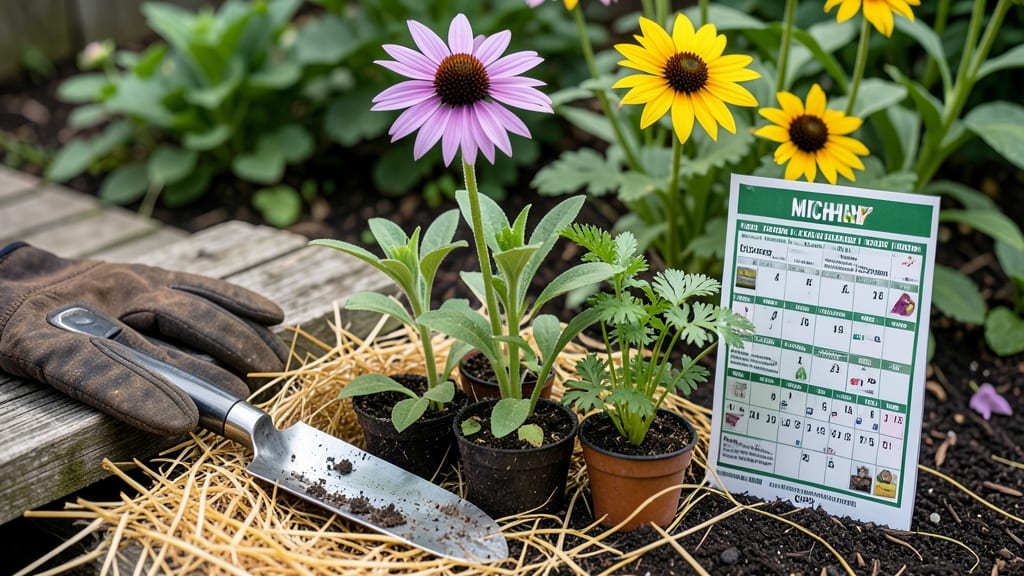
You can plant flowers in Michigan once the soil warms to 50°F and frost risk drops below 10% — typically mid-April in Detroit but closer to May 1 in Traverse City.
Michigan gardeners know timing is everything—plant too early and frost will wipe out your blooms, but wait too long and you’ll miss peak flowering seasons. Here’s the exact schedule you need to follow, broken down by Michigan’s hardiness zones and frost risk, so your flowers thrive from spring to fall.
Annuals like marigolds and petunias need warm soil and consistent warmth to germinate, while perennials such as coneflowers can handle cooler spring temperatures. The key is knowing your last frost date and adjusting for microclimates—urban areas often warm faster than rural spots.
Below, I’ll walk you through the perfect planting window for your zone, how to protect seedlings from late frosts, and the best flowers to plant each month for year-round color.
Michigan flower planting dates by hardiness zone (5-6a/6b)
Michigan’s hardiness zones 5-6a/6b create distinct planting windows for flowers, where last frost dates shift dramatically from Detroit to Traverse City. In Zone 6a (northern Michigan), you’ll wait until May 1 for warm-season flowers, while Zone 6b (southern Michigan) allows planting by April 15.
These differences mean cool-season flowers like pansies can go in as early as March 15 in Detroit, but warm-season favorites like zinnias need to wait until after May 10 in Traverse City.
Understanding these temperature thresholds is critical: most flowers thrive when soil temps hit 50°F+ for spring planting. Use a soil thermometer to confirm—planting too soon leads to root rot from cold soil.
For fall planting, aim for 6-8 weeks before first frost (mid-October in Detroit, early October in northern zones) to establish roots before winter.
Comparison Table: Michigan Flower Planting Windows by City & Zone
For annual flowers like marigolds or petunias, transplanting after last frost ensures vibrant blooms all season.
But perennials such as coneflowers or black-eyed Susans can handle earlier spring planting (as soon as soil is workable) because their established roots tolerate cooler temps. Bulbs, including tulips and daffodils, should be planted in fall (September-October) for spring blooms—just before the ground freezes.
My pro tip: Use row covers to extend your planting season by 2-3 weeks in early spring or late fall. These lightweight fabrics protect seedlings from light frosts (28-32°F) while allowing sunlight and airflow. For extreme frost risks (below 28°F), opt for heat mats or move containers indoors overnight.
Don’t overlook microclimates—urban areas like Detroit may experience urban heat islands, allowing slightly earlier planting than rural zones. Conversely, low-lying areas hold frost longer, so wait an extra 7-10 days before planting heat-loving flowers like sunflowers or zinnias. Always check 7-day forecasts before committing to outdoor planting.
When selecting warm-season flowers, prioritize varieties with short days to maturity, such as cosmos (50-60 days) or bachelor’s buttons (60 days). These bloom quickly after transplanting, giving you maximum summer color even if planted near the May 20 cutoff.
For fall planting, choose frost-resistant annuals like pansies or snapdragons, which tolerate light frosts (28-32°F) and often rebloom in spring.
Test your soil temperature at a depth of 2-3 inches—most flowers need 50°F+ soil to thrive. Use a soil thermometer (available at garden centers for ~$10) to avoid guessing. If temps are below 50°F, delay planting or use black plastic mulch to warm the soil 5-10°F faster.
For container gardening, move pots to warmer microclimates (e.g., near south-facing walls) to accelerate growth.
Remember: Michigan’s frost dates shift yearly. Use the National Weather Service’s frost prediction maps or local Cooperative Extension Service updates for real-time adjustments. By aligning your planting with these zone-specific windows, you’ll maximize blooms and minimize frost damage—guaranteeing a showstopping garden from spring to fall.
How to adjust planting dates for Michigan’s unpredictable frost patterns
Michigan’s frost dates are famously fickle, with late spring freezes or early autumn chills threatening even the hardiest flowers. I’ve learned the hard way that following the USDA hardiness zone alone isn’t enough—you’ve got to account for microclimates and historical frost patterns in your area.
For example, Detroit’s last frost typically arrives by April 15, but northern Michigan can see frost as late as May 10. That’s a 25-day window that can make or break your garden.
Start by checking your local last frost date (use the Michigan State University Extension frost calculator) and add a 10-day buffer for high-risk areas. This means if your average last frost is April 20, don’t plant warm-season flowers like marigolds or petunias until May 10.
For cool-season flowers like pansies or crocuses, you can plant as early as March 15 in southern Michigan, but wait until April 1 in the north.
Urban gardeners face extra challenges because concrete and buildings create heat pockets that can trick plants into sprouting too early. I’ve seen tomato seedlings pop up in May only to be fried by a 32°F night.
To combat this, use row covers or cold frames for the first 2-3 weeks after planting. Rural areas, meanwhile, often experience colder microclimates due to open fields, so add an extra 7-10 days to your buffer.
⚠️ callout warning
Michigan’s late spring frosts (after April 30) can still hit hard. If your area has a history of May frosts, delay planting warm-season flowers by 2-3 weeks. Use frost cloth or row covers for the first 14 nights after planting. For high-risk zones (like Traverse City), consider starting annuals indoors 6-8 weeks before the last frost date.
Protecting seedlings is another critical step. I’ve used cloche tunnels (DIY with PVC pipes and plastic sheeting) to shield geraniums and impatiens from late frosts. For larger plants, wrap them in burlap sacks or cover with cardboard boxes during cold snaps.
Even mulching with straw can raise soil temperatures by 2-3°F, giving roots a fighting chance against unexpected chills.
Don’t forget about fall planting, either. Many gardeners overlook the fact that cool-season flowers like asters and chrysanthemums can be planted as late as September 1 in southern Michigan.
Use a 6-week buffer before your first frost date—so if frost hits October 15, plant by September 1 to ensure blooms before winter sets in.
Finally, keep a garden journal to track your local frost patterns. Note when last frost actually occurs each year and adjust your schedule accordingly. Over time, you’ll develop a customized planting calendar that beats Michigan’s unpredictable weather.
With these strategies, your flowers will thrive even when Mother Nature throws a curveball. 🌱