
Flowers
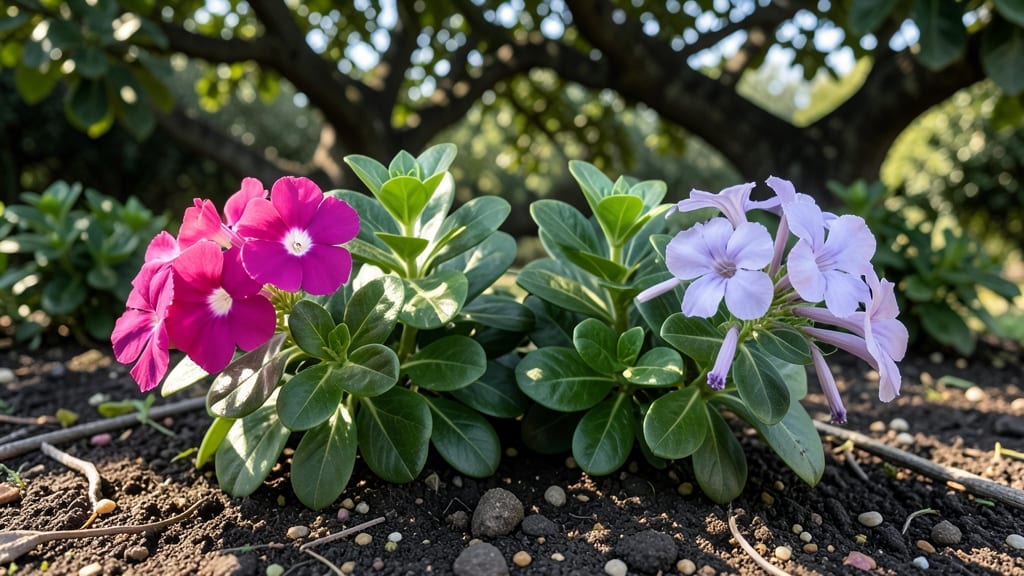
Vinca flowers in sun or shade bring effortless color to your garden, blooming from spring until frost with almost no fuss.
Picture this: a garden that stays vibrant all season, no matter where you plant these hardy perennials. Whether your yard gets full sun or dappled shade, vinca flowers 🌸 adapt beautifully, making them the ultimate low-maintenance choice for busy gardeners.
But here’s the secret most people miss: the right variety and a few simple care tweaks can turn your vinca into a blooming powerhouse. We’ll cover how to pick the perfect type for your light conditions, soil needs, and even how to keep pests at bay without harsh chemicals.
By the end, you’ll know exactly how to grow vinca flowers that thrive year after year—whether they’re basking in sunlight or thriving in shady corners.
 Best Window Placement
How vinca flowers adapt to sun vs. shade: light requirements explained
Vinca flowers, also known as periwinkle, are one of the most versatile perennials in your garden. Their ability to thrive in both full sun and partial shade makes them perfect for almost any outdoor space.
But how exactly do they adapt? The answer lies in their chlorophyll production and stress responses, which we’ll explore to help you maximize their bloom potential.
When grown in full sun (6+ hours daily), vinca produces more anthocyanins, the pigments responsible for deep purple and blue hues. In contrast, partial shade (3-6 hours of light) triggers a shift toward greener foliage and lighter blooms.
Understanding these changes helps you choose the right vinca variety and placement for your garden’s light conditions.
Comparison Table: Vinca in Sun vs. Shade
In full sun, vinca’s leaves develop more chlorophyll, which helps them photosynthesize efficiently. However, this also increases their need for water and nutrients. If you notice yellowing leaves in hot afternoons, provide afternoon shade to prevent heat stress.
I’ve found that vinca planted near east-facing windows or under dappled tree shade thrives beautifully.
For partial shade conditions, vinca’s growth slows slightly, but its foliage stays lush and vibrant. This is ideal for woodland gardens or areas under large shrubs.
The trade-off? You’ll see fewer but more delicate blooms. To encourage more flowers, I recommend pruning lightly in early spring to promote new growth and blooming stems.
One misconception about vinca is that it can’t handle full sun. While it’s true that intense afternoon sun (especially in hot climates) can scorch leaves, vinca in morning sun with afternoon shade produces the most prolific blooms.
Test your garden’s microclimates by moving potted vinca to different spots for a few weeks before committing to permanent placement.
If you’re growing vinca in containers, choose spots with morning sun exposure and move them to shade during peak afternoon heat. Container-grown vinca also benefits from well-draining soil mixed with perlite or sand to prevent root rot in hot conditions.
I’ve had great success with terracotta pots because they wick away excess moisture.
For maximum blooms year-round, combine vinca with companion plants that provide shade. Hostas or ferns work well under trees, while lavender or rosemary can shield vinca from harsh afternoon rays. This layered planting approach creates a low-maintenance, high-impact garden that thrives in any light condition.
Remember, vinca’s adaptability is its superpower. Whether you’re filling a sun-drenched border or a shady corner, this perennial delivers color and texture with minimal effort. Experiment with different light conditions in your garden—you might discover a vinca variety that outperforms your expectations!
Best vinca varieties for sun-loving vs. shade-tolerant gardens
Vinca flowers are one of the most versatile perennials for gardeners, thriving in both full sun and partial shade. The key lies in selecting the right cultivar for your specific light conditions. Vinca major handles sun exposure beautifully, while Vinca minor excels in shadier spots.
Let’s explore the best options for each scenario.
For sun-loving gardens, Vinca major varieties like 'Alba' with its pure white blooms or 'Variegata' with creamy-edged foliage are top choices. These thrive in 6+ hours of direct sunlight and produce abundant flowers from spring to fall.
In contrast, Vinca minor varieties like 'Illumination' with its bright yellow foliage prefer partial to full shade and still deliver stunning blue-purple blooms.
Sun-Loving Vinca Varieties
- Vibrant pink/white blooms
- Tolerates hot, dry conditions
- Fast spreading habit for ground cover
- May scorch in intense afternoon sun
- Requires regular pruning to control spread
- Less foliage variety than shade types
Shade-Tolerant Vinca Varieties
- Thrives in low-light areas
- Unique foliage colors (gold, purple)
- More compact growth for borders
- Fewer sunlight hours = fewer blooms
- Can look leggy without pruning
- Slower spreading rate than sun types
Hybrid varieties like 'Lipstick' vinca bridge the gap between sun and shade, featuring deep red blooms and compact growth that works in morning sun with afternoon shade. This makes it perfect for transition zones in your garden where light conditions vary throughout the day.
When selecting vinca, consider your USDA hardiness zone—most varieties thrive in zones 4-9. Vinca major tends to handle colder winters better, while Vinca minor varieties may need winter mulch in zone 4 gardens. Always check specific cultivar requirements before planting.
For container gardening, Vinca minor 'Illumination' is ideal due to its compact size and bright foliage, while Vinca major 'Alba' adds elegant height to sunny patio displays. Both options require well-draining soil and minimal maintenance, making them perfect for busy gardeners.
Remember: vinca’s foliage color often shifts with light conditions—expect deeper greens in shade and variegated patterns to intensify in sun. Experiment with placement to find your garden’s perfect balance of color and light! 🌿