
Flowers
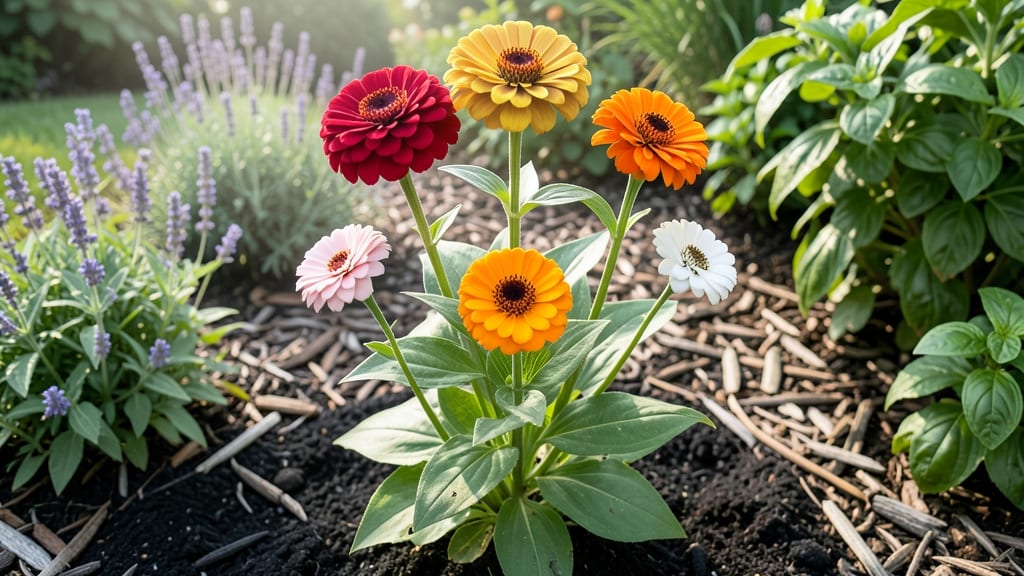
Zinnia flowers thrive best in full sun or shade with the right balance 🌼—but getting that balance wrong can mean the difference between a vibrant garden and a sad, sparse display.
If you’ve ever planted zinnias only to watch them stretch toward the light or produce fewer blooms than expected, you’re not alone. The truth is, these cheerful annuals are sun-lovers, but they can adapt to partial shade with a few key adjustments.
In this guide, I’ll walk you through exactly how much sun zinnias need, which varieties handle shade best, and how to tweak your care routine to keep them blooming like crazy—no matter where they’re planted.
You’ll learn how to spot the signs of too much or too little light, the best spots in your garden (or containers), and even how to salvage struggling plants. Let’s get those zinnias popping with color!
 Best Window Placement
Do zinnias need full sun? Light requirements for optimal growth
Zinnias are one of the most popular annual flowers for a reason—they’re bold, bright, and easy to grow. But here’s the catch: these sun-loving stars thrive best with full sun exposure.
While they can tolerate some shade, 6 to 8 hours of direct sunlight daily is their sweet spot for maximum blooms. Without enough light, you’ll notice fewer flowers, leggy stems, and weaker growth. Let’s dive into the science and practical tips to give your zinnias the perfect light conditions.
The photosynthesis process in zinnias is highly efficient under full sunlight. When exposed to 6+ hours of direct light, their cells produce more chlorophyll, which fuels vibrant blooms and sturdy stems.
In contrast, partial shade can lead to stretched, sparse flowers and reduced vigor. Think of sunlight as the fuel for their blooming engine—cutting it short means fewer show-stopping displays.
Now, let’s address the big question: Can zinnias grow in shade? The short answer is yes, but with limitations. While they can survive in 3 to 4 hours of sunlight, their growth and flowering will be compromised.
If you’re working with a shady spot, focus on taller, shade-tolerant varieties like 'Benary’s Giant' or 'Profusion' series, which handle lower light better than their shorter counterparts.
How to identify the perfect spot for your zinnias: Start by observing your garden’s sunlight patterns. Use a sunlight tracker app or mark your yard with stakes to track how much light each area gets throughout the day. Look for spots that receive uninterrupted sunlight from morning to afternoon. Avoid areas with dense tree canopies or tall structures that cast deep shade.
Common mistakes to avoid when it comes to zinnia light exposure include placing them under dappled shade from trees (which can stress their leaves) or assuming that evening sun counts as full sun. Morning sunlight is great, but zinnias need peak afternoon rays to trigger their flowering mechanisms. If your garden lacks full sun, consider container gardening on a sunny patio or balcony instead.
🌼 Zinnia Light Requirements Comparison
| Light Condition | Daily Sunlight Hours | Growth Impact | Best Varieties |
|---|---|---|---|
| Full Sun | 6-8+ hours | Vibrant blooms, sturdy stems, healthy foliage | 'State Fair', 'Crystal', 'Double Hit' |
| Partial Sun | 3-4 hours | Fewer blooms, leggy growth, pale flowers | 'Profusion', 'Benary’s Giant' |
| Partial Shade | Less than 3 hours | Minimal blooms, weak stems, risk of disease | Avoid unless using containers with supplemental light |
If you’re growing zinnias in containers or small spaces, prioritize south-facing windows or balconies to maximize sunlight exposure. Rotate your pots every few days to ensure even growth, as zinnias will lean toward the light source.
For indoor growing, supplement natural light with grow lights (12-14 hours/day) to mimic full sun conditions.
For outdoor garden beds, plant zinnias near trees with sparse canopies or on the south or west side of structures. Avoid planting them under dense shrubs or evergreens, as these can block essential light.
If you’re in a hot climate, provide afternoon shade cloth to protect zinnias from scorching while still allowing morning sun.
Watch for visual cues that your zinnias aren’t getting enough light. Yellowing leaves, stretched stems, and small, sparse blooms are all signs it’s time to relocate your plants.
Conversely, dark green foliage and abundant flowers mean you’ve nailed the light requirements. Adjust their position gradually to avoid shocking the plants.
Pro tip: Deadhead zinnias regularly to encourage more blooms, but only do this in the morning hours when sunlight is brightest. This practice helps redirect the plant’s energy toward producing new flowers, especially when combined with optimal light exposure.
With the right balance of sun and care, your zinnias will reward you with a non-stop summer of color.
How to grow zinnias in shade: tips for partial-shade success
While zinnias thrive in full sun, they can still produce stunning blooms in partial shade with the right adjustments. The key is selecting shade-tolerant varieties and optimizing growing conditions to compensate for lower light.
I’ve successfully grown zinnias under tree canopies and near north-facing walls, so don’t assume shade means failure!
Partial shade typically means 3-6 hours of direct sunlight daily, with dappled light or filtered light for the rest of the day. This environment requires soil adjustments and watering tweaks to prevent leggy growth or poor flowering. Let’s explore how to make it work for your garden.
🌱 Key Takeaway: Zinnias in Shade
- ✅ Variety: Choose 'Benary’s Giant' or 'Profusion' for shade tolerance.
- ✅ Soil: Amend with compost for nutrients and perlite for drainage.
- ✅ Water: Morning watering prevents fungal risks from excess moisture.
- ✅ Airflow: Space plants 12-18 inches apart to reduce humidity.
- ✅ Fertilizer: Use low-nitrogen fertilizer to avoid leafy growth over blooms.
Note: Shade zinnias may bloom 10-15% smaller but will still thrive with proper care!
Start by selecting shade-tolerant zinnia varieties like 'Thumbelina' or 'Crystal', which handle lower light better than standard types. These dwarf varieties also work well in containers on patios or balconies with indirect light. Avoid tall varieties like 'State Supreme', as they’ll stretch unnaturally in shade.
Your soil mix is critical—zinnias in shade need well-draining, nutrient-rich soil to compensate for reduced photosynthesis. Mix in 2-3 inches of compost and a handful of perlite per planting hole to prevent waterlogging.
I’ve found that raised beds work exceptionally well for shade zinnias, as they warm up faster and dry out more evenly.
Watering becomes more delicate in shade. Overwatering leads to root rot, while underwatering causes wilting. Aim for deep watering every 2-3 days in the morning to let foliage dry before evening.
Mulch with straw or shredded leaves to retain moisture without smothering roots—this is a game-changer for container-grown zinnias.
Watch for common shade-related issues like powdery mildew or leggy stems. If you notice pale leaves or stretched growth, move plants to a slightly sunnier spot or supplement with a grow light for 2-3 hours daily. Prune leggy stems back by one-third to encourage bushier growth and more blooms.
With these adjustments, your shade zinnias will reward you with bright blooms from summer through fall. The trade-off is slightly smaller flowers, but the vibrant colors and long-lasting stems make it worth it—plus, you’ll free up prime sun spots for other heat-loving plants! 🌼