
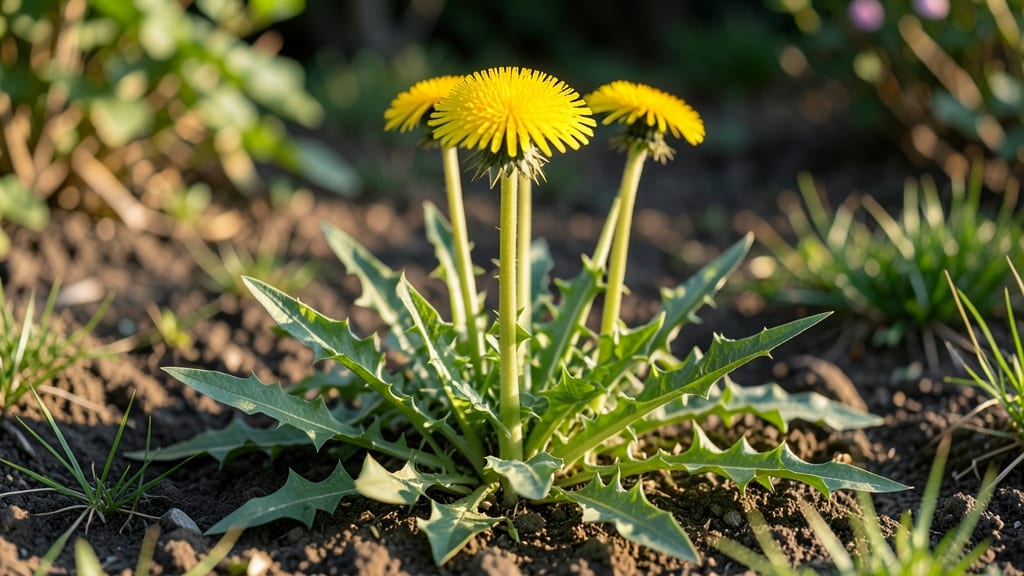
Ground Cover Weeds With Yellow Flowers: Identify and Remove 10 Common Types

Flowers

Ground Cover Weeds With Yellow Flowers: Identify and Remove 10 Common Types

Weeds with yellow flowers spreading across your lawn or garden are likely ground cover invaders that outcompete your plants for nutrients and space.

Those bright blooms might look charming at first glance, but they’re often creeping charlie, dandelions 🌼, or buttercups—all of which multiply aggressively if left unchecked.

If you’re tired of pulling the same weeds back every season, this guide covers identification tips and eco-friendly removal methods to reclaim your garden without harsh chemicals.

From manual extraction to mulching techniques, you’ll learn how to stop these persistent weeds while keeping your yard healthy and beautiful.

10 Most invasive ground cover weeds with yellow flowers (and how to spot them)

Spotting invasive ground cover weeds with yellow flowers early can save your garden from becoming a tangled mess. These weeds don’t just steal nutrients—they outcompete your plants for space, water, and sunlight.

The key to control? Identification. Many gardeners mistake these aggressive spreaders for harmless wildflowers, but their rapid growth and deep root systems make them persistent pests.

Yellow-flowered weeds often thrive in lawns, garden beds, and even cracks in sidewalks. Some, like dandelions and creeping buttercup, spread via wind-blown seeds, while others, such as creeping oxalis, multiply through underground runners.

Recognizing their unique traits—leaf shape, flower structure, and growth habits—helps you act before they take over.

Below, I’ve compiled a visual guide to the 10 most invasive yellow-flowered weeds, including their distinctive features, peak bloom times, and aggressive spread patterns. Use this as your first line of defense against these sneaky invaders.

Weed Name Key Identification Features Spread Method Bloom Time Red Flag Traits
Dandelion Deeply lobed leaves, bright yellow daisy-like flowers, hollow stems Wind-dispersed seeds, deep taproot Early spring to fall Forms dense colonies, resprouts from roots
Creeping Buttercup Divided leaves, 5-petaled yellow flowers, hairy stems Underground runners, seed spread Late spring to summer Toxic to livestock, smothers grass
Creeping Oxalis Clover-like 3-leaf clusters, small yellow flowers, folds at night Underground tubers, seed pods Spring to fall Forms dense mats, hard to eradicate
Common Chickweed Oval leaves, tiny star-shaped yellow flowers, sprawling habit Seed spread, rapid growth Spring to early fall Forms dense ground cover, chokes plants
Yellow Woodsorrel Heart-shaped leaves, 5-petaled yellow flowers, sour taste Seed spread, shallow roots Spring to summer Invades lawns, difficult to pull
Hawkweed Narrow leaves, yellow-orange flowers, rosette growth Deep taproot, seed heads Summer to fall Resistant to herbicides, spreads aggressively
Groundsel Lance-shaped leaves, small yellow daisy flowers, woody stems Seed spread, prolific Year-round in mild climates Forms dense patches, hard to control

Natural removal methods for yellow-flowered ground cover weeds

Yellow-flowered ground cover weeds like creeping charlie and buttercups can quickly dominate your garden if left unchecked. The good news? You don’t need harsh chemicals to remove them. Organic methods like manual extraction and mulching work just as effectively while keeping your garden eco-friendly.

Let’s explore the best natural solutions to reclaim your yard without harming the environment.

Before diving into removal, it’s crucial to understand why these weeds thrive. Many yellow-flowered ground covers spread aggressively through underground runners or seeds. Targeting these growth methods will help prevent regrowth.

Start with the simplest approach: hand-pulling, which works best when the soil is moist and weeds are young. Pair this with a few more strategies for long-term control.

⚠️ Warning: Timing is Critical!

Removing yellow-flowered weeds before they seed prevents next year’s infestation. Dandelions and buttercups can produce thousands of seeds—pull them when flowers are still in bud form. Avoid tilling, as it spreads buried seeds and stimulates new growth. Always wear gloves to protect your skin from sap and irritants like oxalis.

For stubborn weeds with deep roots, like creeping charlie, try a vinegar-based herbicide. Mix one gallon of white vinegar with one ounce of dish soap and apply directly to the leaves on a sunny day. The acetic acid burns the foliage, killing the plant without harming surrounding soil.

Reapply every 3-5 days until the weed is fully eradicated. This method is especially effective for paved cracks and sidewalk edges where manual removal is difficult.

Another powerful organic solution is mulching with thick layers of cardboard or newspaper topped with wood chips or straw. This blocks sunlight, starving weeds of energy while improving soil health. Focus on areas where weeds are dense, like garden beds or under shrubs.

Over time, the mulch will break down, adding nutrients to the soil while keeping weeds at bay. For best results, apply mulch in early spring or fall when weeds are less aggressive.

Prevent future invasions by improving your garden’s soil health. Weeds thrive in compacted or nutrient-poor soil. Amend the area with compost or well-rotted manure to encourage strong, healthy plants that outcompete weeds.

Planting dense ground covers like clover or creeping thyme can also suppress weeds naturally by covering the soil. These plants provide beauty while reducing the space available for unwanted invaders.

Finally, stay vigilant with regular inspections. Check your garden weekly for new sprouts, especially in spring and fall when weeds are most active. Early intervention makes removal easier and prevents small problems from becoming large ones.

With consistency, your garden will regain its balance, and those pesky yellow blooms will become a thing of the past.

★★★★★4.7(13 reviews)
Categories Flowers