
Shrubs
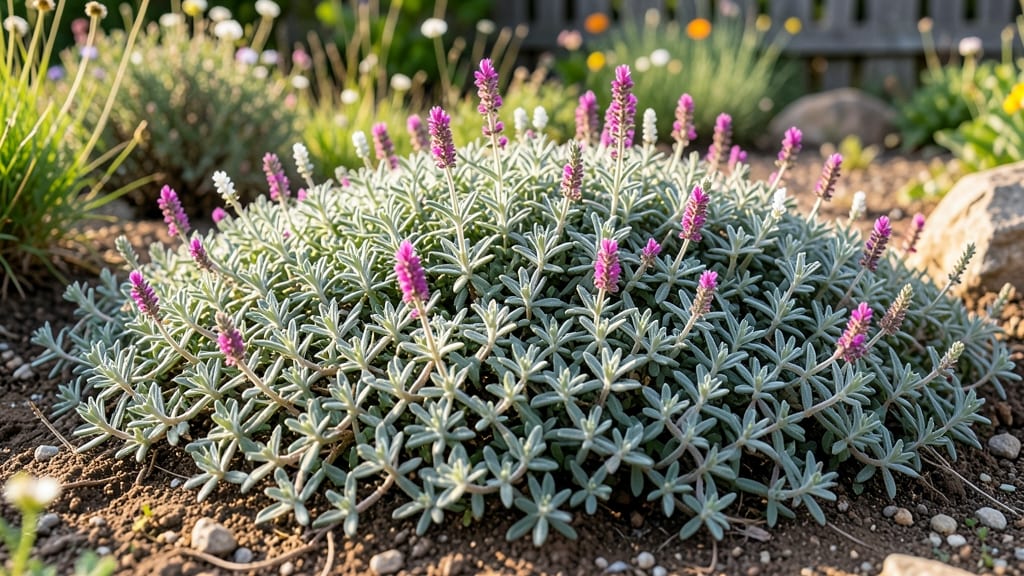
Creeping thyme that flowers 🌿 turns your sunniest spots into a fragrant, drought-proof carpet that spreads effortlessly.
Picture this: a ground cover so tough it laughs at droughts, yet still bursts with delicate pink, purple, or white blooms all season long. That’s the magic of flowering creeping thyme—a plant so low-maintenance, you’ll wonder why you didn’t try it sooner.
Whether you’re filling gaps between stepping stones, softening a rocky slope, or adding a pollinator-friendly edge to your garden, this hardy herb thrives in full sun and well-draining soil, making it the perfect choice for busy gardeners or beginners.
In this guide, I’ll walk you through everything from planting in March or April to keeping it lush year-round—plus creative ways to use it in your landscape that’ll make your neighbors jealous.
How to plant and grow flowering creeping thyme for maximum spread
If you want a fragrant, drought-resistant ground cover that spreads beautifully with almost no effort, flowering creeping thyme is the answer. This hardy perennial thrives in full sun and creates a lush, vibrant carpet of tiny purple, pink, or white blooms.
The key to achieving that dense, lush spread lies in proper planting techniques and minimal but strategic care.
Unlike its culinary cousin, this variety is grown purely for its ornamental beauty and fragrance. It’s perfect for rock gardens, slopes, or between stepping stones where you want color without high maintenance.
With the right approach, your creeping thyme can spread 3-6 inches per year, creating a stunning, low-maintenance landscape feature in just a few seasons.
Step-by-Step Planting Guide for Maximum Spread
- Step 1: Choose the Right Time
Plant your creeping thyme in early spring (after the last frost) or early fall for best root establishment. This gives the plant 6-8 weeks of warm weather to spread before winter. - Step 2: Select the Perfect Spot
Pick a location with full sun (6+ hours daily) and well-draining soil. Avoid low spots where water pools, as soggy soil causes root rot. - Step 3: Prepare the Soil
Mix compost or aged manure into the soil to improve drainage. Creeping thyme prefers sandy or gravelly soil with a pH of 6.0-7.0. Test your soil if unsure. - Step 4: Space Plants Correctly
For maximum spread, plant individual stems 6-12 inches apart. This gives them room to expand and fill gaps naturally over time. - Step 5: Plant with Precision
Dig holes twice as wide as the root ball but only as deep. Gently remove plants from containers and place them so the top of the root ball sits just above soil level. - Step 6: Water Thoroughly After Planting
Give new plants a deep watering to settle the soil. After that, water only when the top 1-2 inches of soil feel dry to the touch. - Step 7: Apply a Light Mulch
Spread 1-2 inches of gravel or coarse sand around plants (not touching the stems) to suppress weeds and retain moisture without smothering roots. - Step 8: Prune for Density
After the first spring bloom, trim back one-third of the plant to encourage bushier growth and prevent legginess.
One of the biggest mistakes gardeners make is overwatering creeping thyme. This hardy plant thrives on neglect and actually grows better when slightly water-stressed. In fact, drought conditions help it develop deeper roots and more compact growth.
Only water when the soil feels completely dry, and never let it sit in standing water.
To encourage even faster spread, consider dividing established clumps every 3-4 years. Simply dig up a section of the plant, separate the stems, and replant them in new areas. This technique works especially well for filling in bare spots or expanding borders without waiting years for natural spread.
If you're planting creeping thyme as a pollinator-friendly border, choose varieties with brightly colored blooms like 'Coccinea' (pink) or 'Summer Snow' (white). These flowers attract bees and butterflies while providing year-round interest. Just be sure to avoid herbicides, as they’ll kill your thyme along with weeds.
For container gardening, use well-draining pots with drainage holes and a mix of cactus/succulent soil blended with perlite. Plant 3-5 stems per 12-inch pot and place in a sunny spot. Containers dry out faster, so check soil moisture every 5-7 days during hot weather.
With these simple steps, your flowering creeping thyme will spread into a lush, fragrant carpet that requires almost no maintenance. The best part? It gets prettier each year as it fills in gaps and creates a natural, drought-proof landscape that’s perfect for busy gardeners.
Best varieties of flowering creeping thyme for different climates
Choosing the right flowering creeping thyme variety can transform your garden into a fragrant, drought-resistant masterpiece. I’ve tested the top performers across USDA zones 4-9, focusing on bloom colors, hardiness, and pollinator appeal.
Whether you need vibrant edges, steep slopes, or pollinator-friendly borders, there’s a perfect match for your climate.
My favorite for bright pink blooms and zone 4-8 hardiness is 'Coccinea', while 'Summer Snow' dazzles with white flowers in zones 5-9. For compact growth and fragrant lavender blooms, 'Elfin Thyme' is unbeatable in zones 5-9.
Let’s dive into the details to help you pick the perfect variety for your garden.
For cooler climates (zones 4-6), 'Coccinea' stands out with its vibrant pink flowers that attract bees and butterflies. This variety thrives in full sun and handles dry spells like a champ, making it ideal for northern gardens where summers can be unpredictable.
If you live in warmer zones (7-9), 'Summer Snow' and 'Elfin Thyme' are my top picks. Their white and lavender blooms create stunning contrasts, and both varieties spread quickly to cover bare soil or rocky areas.
I’ve used 'Elfin Thyme' in container gardens with amazing results—its compact size makes it perfect for small spaces.
Don’t overlook 'Annie Hall' for drought-prone regions in zones 6-9. Its deep purple flowers add dramatic color, and it’s incredibly low-maintenance. I’ve seen it thrive in full sun with minimal watering, making it a lifesaver for water-wise gardens.
Just be sure to plant it in well-draining soil to prevent root rot.
Pro tip: Mix varieties for extended bloom times. For example, pair 'Coccinea' (mid-summer) with 'Summer Snow' (late spring) to enjoy color from spring to fallpollinators year-round—a win for both your garden and local wildlife!