
Flowers
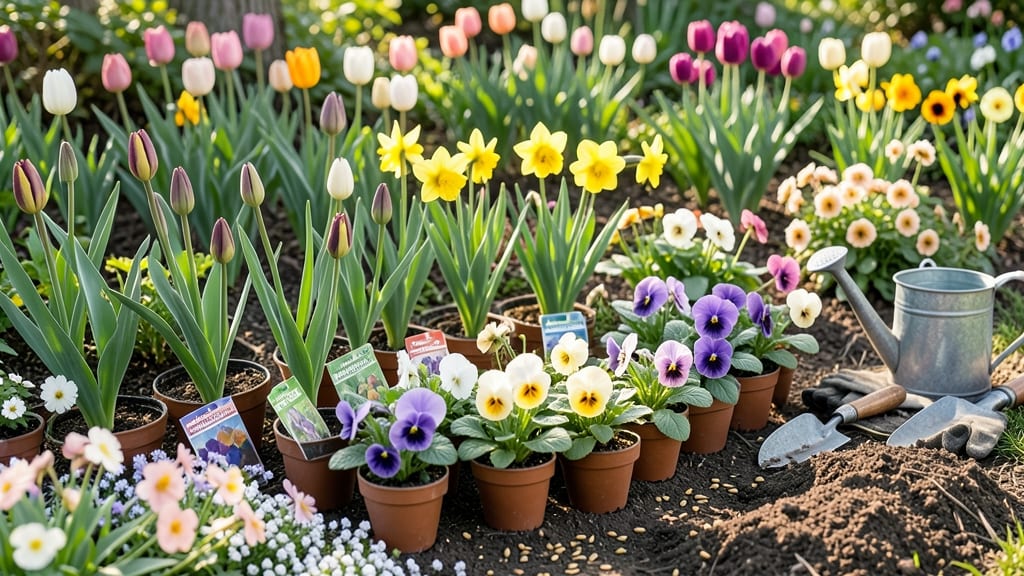
Planting flowers in the spring after the last frost date is the secret to a garden that bursts with color instead of wilting under the cold.
Picture this: you’ve spent weeks preparing soil, choosing seeds, and dreaming of your blooms—only to wake up to a surprise frost that turns your tender seedlings into sad, blackened sticks. It happens more often than you’d think, especially if you’re guessing instead of tracking your local frost dates.
But here’s the good news: with a little planning, you can avoid that heartbreak. Whether you’re in Zone 6a or another region, knowing when to plant makes all the difference between a thriving garden and a disappointing one.
I’ll show you how to pinpoint the perfect window for your flowers, from cool-hardy annuals to heat-loving perennials.
You’ll also learn how to adjust for early or late springs, spot the signs of soil readiness, and even salvage a late start. By the end, you’ll have a foolproof timeline tailored to your climate—so your garden gets the vibrant, long-lasting blooms you’ve been hoping for.
Spring flower planting deadlines by USDA hardiness Zone
Getting your spring flowers in the ground at the right time means the difference between a lush, blooming garden and one that struggles to survive. The USDA hardiness zone you live in dictates your last frost date, which is the critical marker for planting.
In colder zones like Zone 3 or 4, you might wait until mid-May, while in warmer zones like Zone 9 or 10, you could plant as early as February or March.
But it’s not just about the zone—microclimates (like urban heat islands or sheltered valleys) can shift your planting window by 2-4 weeks.
For annual flowers, which complete their life cycle in one season, timing is especially critical.
Planting too early risks frost damage, while waiting too long can stunt growth before summer heat arrives. Perennials, which return year after year, are slightly more forgiving but still benefit from being planted when the soil is at least 50°F.
Tender flowers like marigolds or zinnias need even warmer soil, often waiting until after Memorial Day in colder regions. Let’s break down the zone-specific deadlines so you can plan with confidence.
⚠️ Key Rule: Always check your local extended forecast 1-2 weeks before your zone’s average last frost. A late cold snap can delay planting by weeks, especially for tender annuals. Use a frost clock or your local Cooperative Extension Service for real-time updates.
| USDA Zone | Last Frost Date (Avg.) | Ideal Planting Window | Cold-Hardy Flowers | Tender Flowers |
|---|---|---|---|---|
| Zones 3-4 | Mid-May | Late May to early June | Pansies, Snapdragons, Sweet Alyssum | Marigolds, Petunias (after June 1) |
| Zones 5-6 | Early May | Early to mid-May | Lupines, Columbine, Violas | Zinnias, Sunflowers (after May 15) |
| Zones 7-8 | Mid-April | Late March to April | Daffodils, Tulips, Iris | Geraniums, Impatiens (after April 1) |
| Zones 9-10 | Mid-February | January to February | Cyclamen, Primroses | Begonias, Hibiscus (year-round in Zone 10) |
| Zone 11 | None (tropical) | Year-round (seasonal varieties) | Orchids, Heliconias | Cannas, Plumerias (anytime) |
If you’re in Zone 5 or 6, like much of the Midwest or Northeast, aim to plant cool-season annuals like pansies or sweet peas as early as late April. These cold-tolerant flowers can handle light frosts and may even rebloom in fall.
For heat-loving annuals such as marigolds or zinnias, wait until after your last frost date—typically mid-May in these zones—to avoid stunted growth. In Zone 7 or 8, where winters are milder, you can start planting tender annuals in late March, but always monitor soil temperatures.
In warmer zones (9-11), the rules flip: plant in winter to avoid summer heat stress. For example, Zone 10 gardeners can sow marig
How to calculate your local frost-free date for perfect timing
Knowing your local frost-free date is the secret to planting flowers at the perfect time. A late frost can kill tender seedlings, while planting too early in colder zones risks stunted growth.
But how do you find this date for your specific location? It’s easier than you think, and I’ll walk you through the exact steps—plus the tools to verify your findings.
First, understand that frost-free dates vary by USDA hardiness zone, elevation, and even microclimates within your neighborhood. For example, a valley might warm up faster than a hillside just a mile away.
Start by checking your USDA zone using the USDA Plant Hardiness Zone Map, then adjust for your specific conditions.
🌱 Step-by-Step Guide to Finding Your Frost-Free Date
- Step 1: Check your USDA zone using the USDA Plant Hardiness Zone Map. Most gardeners fall between zones 5-8, but verify your exact zone.
- Step 2: Visit the National Weather Service (NWS) or Old Farmer’s Almanac to find your average last frost date. These sites provide historical data for your city.
- Step 3: Adjust for microclimates. If you’re near water, in a low-lying area, or have urban heat islands, your frost-free date may arrive 1-2 weeks earlier than the average.
- Step 4: Use a frost calendar from your local cooperative extension office or gardening app (like Gardenate or PlantNet) for real-time updates and alerts.
- Step 5: Test your soil temperature with a soil thermometer. Most flowers thrive when soil reaches 50-60°F. If it’s colder, wait a few more days.
- Step 6: Plant cold-hardy flowers (like pansies or snapdragons) 2-3 weeks before your frost-free date. For tender varieties (e.g., geraniums, impatiens), wait until 2 weeks after the last frost.
Don’t rely solely on the average frost date—local weather patterns can shift yearly. For instance, in Zone 6a, the last frost typically occurs around April 15, but in 2023, some areas saw frost as late as May 5.
To stay ahead, sign up for frost alerts from your local weather service.
Pro tip: If you’re unsure, use the "10-day rule". Plant after 10 consecutive days with temperatures above 50°F. This gives your flowers time to establish roots before any unexpected cold snaps. For containers, add a frost cloth for extra protection if nights dip below freezing.
Remember, the goal is to plant when your flowers can germinate and grow without stress. By combining historical data, soil temperature checks, and local adjustments, you’ll create the perfect timeline for a blooming success. Happy planting!