
Plants
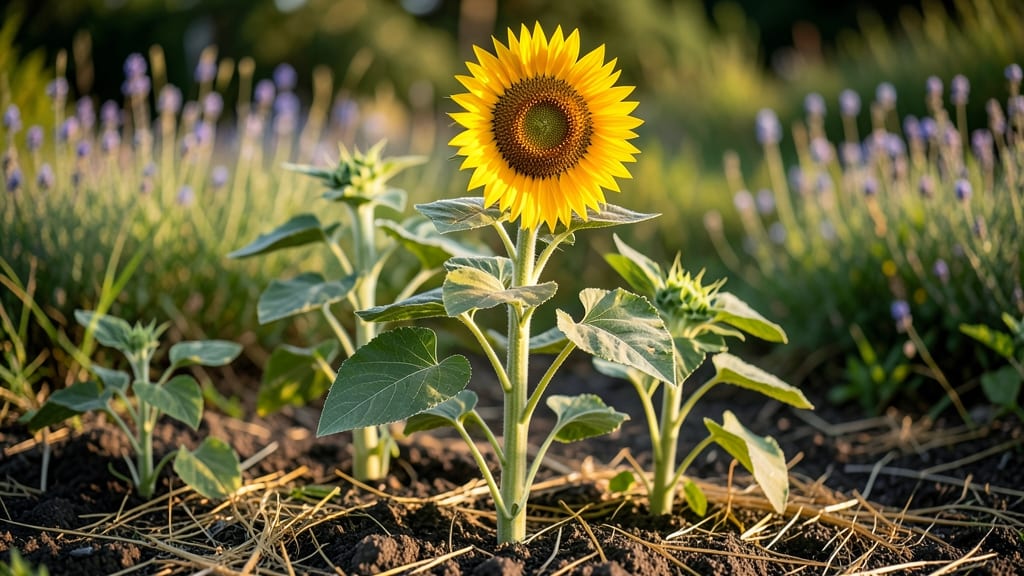
How tall do sunflower plants grow? They range anywhere from 2 feet to towering 16 feet, depending on the variety you choose and how you care for them.
If you’ve ever planted sunflowers and wondered whether your backyard can handle their towering presence—or if you’re dreaming of a sunflower grove—knowing their mature height is key to planning your garden layout.
Dwarf varieties like Teddy Bear stay compact at 2-4 feet, perfect for containers or small gardens, while giants like Mammoth Russian can reach 12-16 feet, making them a dramatic focal point.
Below, I’ll break down how sunflower height varies by type, what factors influence growth, and how to support tall varieties so they don’t topple over—plus tips for designing your space around them.


Sunflower height by variety: from dwarf to Giant species
Sunflowers are nature’s skyscrapers, offering a stunning range of heights that can transform your garden from a cozy corner to a towering display.
Whether you’re dreaming of a whimsical dwarf variety for containers or a monumental giant that reaches for the sky, understanding each type’s growth potential helps you plan with confidence.
From the Teddy Bear varieties that stay under 4 feet to the Russian Giant that can eclipse 16 feet, every sunflower cultivar brings its own dramatic flair to your outdoor space.
Choosing the right height isn’t just about aesthetics—it’s also about practicality. A 12-foot sunflower needs sturdy stems and ample space, while a 3-foot variety might thrive in pots or small gardens.
Below, I’ve broken down the most popular sunflower types by their mature heights, so you can pick the perfect fit for your garden’s layout and your creative vision.
🌻 Pro Tip: Always check seed packets for specific height ranges, as environmental factors can influence growth by up to 20%.
If you’re planning a sunflower-themed garden, consider mixing heights for visual interest. Place dwarf varieties in the front for immediate color, then layer semi-dwarf and standard types behind them.
For a dramatic focal point, dedicate a corner to a single giant sunflower like 'Russian Giant'—just be prepared for its impressive reach!
For urban gardeners with limited space, container-growing dwarf varieties are a game-changer. A 5-gallon pot can easily accommodate 'Teddy Bear' or 'Little Becka,' while still providing pollinators with a feast. Just ensure your container has drainage holes and supports the plant’s weight as it matures.
One common misconception is that all sunflowers need full sun to reach their maximum height. While sunlight is critical, soil fertility and watering consistency also play a role.
In my own garden, I’ve seen 'Mammoth' sunflowers grow an extra 2 feet taller when planted in enriched soil compared to average garden beds.
For taller varieties, consider staking or using cage supports to prevent toppling in windy conditions. A simple bamboo stake or wire mesh cylinder can make the difference between a sunflower standing proudly and one leaning precariously.
I’ve also had success with natural trellises made from willow branches for a rustic look.
🌱 Fun Fact: The tallest sunflower ever recorded was grown in Germany in 2019, reaching a staggering 16.5 feet—taller than a basketball hoop!
When selecting sunflowers, think beyond just height. Flower color, bloom time, and seed production also vary by variety. For example, 'Autumn Beauty' offers a mix of red, yellow, and green petals, while 'ProCut' is bred specifically for long-lasting cut flowers. Pairing height
How to choose sunflower heights for your garden space
Choosing the right sunflower height for your garden isn’t just about aesthetics—it’s about creating a space that thrives. Whether you have a small balcony or a sprawling backyard, selecting the perfect variety ensures your sunflowers grow happily without crowding other plants or blocking precious sunlight.
I’ve learned that dwarf varieties work beautifully in containers, while tall giants need room to stretch toward the sky.
Your garden’s sunlight exposure also plays a crucial role in height selection. Sunflowers love full sun, but some varieties tolerate partial shade better than others.
For example, Teddy Bear sunflowers (3–5 feet tall) are perfect for small gardens or urban spaces, while Mammoth varieties (10–14 feet) need open skies and plenty of elbow room. Let’s explore how to match sunflower heights to your space and goals.
- 1 Dwarf varieties (2–4 ft): Ideal for containers or small gardens. Perfect for cut flowers or birdseed production in limited spaces.
- 2 Semi-dwarf varieties (4–8 ft): Great for border gardens or mixed flower beds. Balance height with other plants to avoid overcrowding.
- 3 Standard varieties (8–12 ft): Need 18–24 inches of spacing. Best for backyard focal points or cut flower arrangements.
- 4 Giant varieties (12–16 ft): Require 36+ inches of spacing. Plant near fences or trellises for support and dramatic visual impact.
- 5 Spacing rule: Always leave 12–36 inches between plants, depending on height. Overcrowding leads to weak stems and fewer blooms.
If you’re growing sunflowers for cut flowers, taller varieties like Russian Giant (up to 16 feet) create stunning bouquets, but they need sturdy stakes or cages to prevent toppling. For birdseed production, shorter varieties like Autumn Beauty (4–5 feet) are easier to manage and still attract pollinators.
I’ve found that ornamental displays benefit from mixing heights—place taller varieties at the back and shorter ones in front for a layered look.
Don’t forget to consider wind exposure in your space. Tall sunflowers in windy areas may need additional support, like bamboo stakes or trellis structures. I once grew a 14-foot Mammoth in my backyard, and without support, it leaned dangerously over my patio.
A simple stake saved the day—and the plant! For small gardens, opt for dwarf or semi-dwarf varieties to avoid shading out other plants.
Pro tip: Use sunflower height to create visual interest. For example, pair a 6-foot Teddy Bear with a 10-foot Mammoth in the back of a flower bed. This creates depth and draws the eye upward, making your garden feel more dynamic.
Just remember to space them properly—sunflowers need room to grow, and crowding can lead to pests or diseases.
Finally, think about your garden’s long-term goals. If you’re planning a sunflower grove, giant varieties will make a statement, but they require more maintenance. For a low-maintenance border, dwarf or semi-dwarf varieties are your best bet.
No matter what you choose, sunflowers bring joy, color, and life to any space—just pick the right height for your vision! 🌻