
Mower
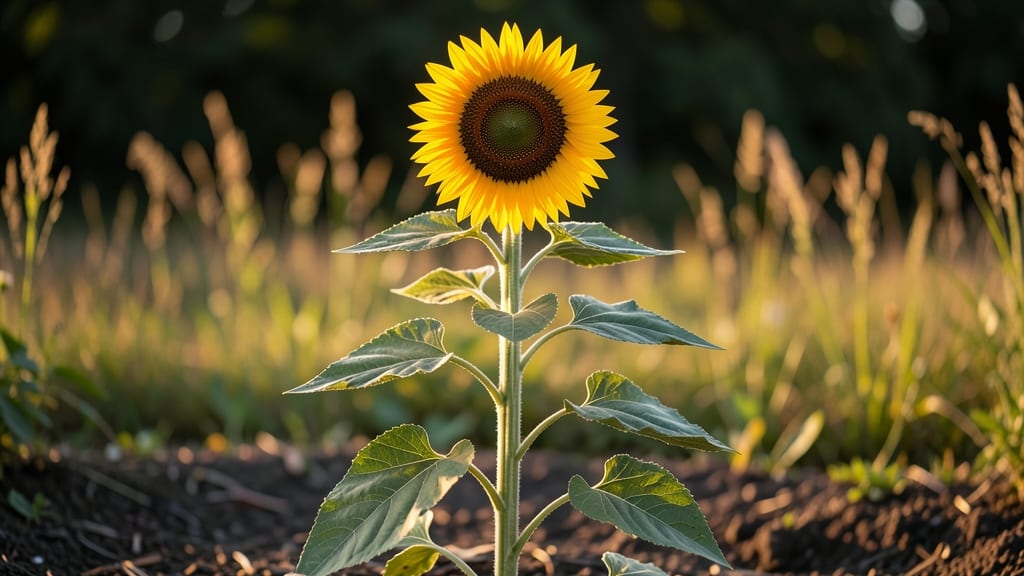
The Mongolian Giant Sunflower can grow to 12 to 15 feet—taller than most people and often reaching the height of a two-story building. Imagine a sunflower soaring above your fence, casting shade in summer, and becoming the centerpiece of your garden.
But how does it get there? This sunflower doesn’t just grow—it explodes upward, especially when given the right conditions. We’re talking full sun, deep soil, and a little extra care to keep it from toppling over. The key lies in its growth stages, which unfold dramatically from spring to fall.
In this guide, I’ll break down exactly how tall your Mongolian Giant Sunflower will be each month, from a tiny seedling to a towering giant. You’ll also learn the secrets to maximizing its height—like proper spacing, staking, and feeding—so you can grow one that rivals the tallest in your neighborhood.
Whether you’re dreaming of a privacy screen or just want to impress your gardening friends, this sunflower delivers. Let’s get growing!

Mongolian Giant sunflower height progression by month: exact growth stages
The Mongolian Giant Sunflower (Helianthus giganteus) grows at an astonishing rate, transforming from a tiny seedling into a towering 12- to 15-foot giant within just a few months. Understanding its month-by-month height progression helps you anticipate growth spurts, adjust care, and troubleshoot slow development.
Unlike shorter sunflower varieties, this plant prioritizes vertical growth early, often outpacing other garden plants by summer's end.
Growth speed depends on three critical factors: sunlight exposure (minimum 6-8 hours daily), soil fertility (well-draining, nutrient-rich), and consistent moisture (deep watering 2-3 times weekly in early stages).
In cooler climates (USDA zones 6a-9b), expect 2-3 weeks slower progress compared to warmer regions. Let’s break down the exact height milestones month by month.
🌱 Month 1 (April-May): Seedling Stage (0-12 inches) During the first 4-6 weeks after planting, your Mongolian Giant Sunflower focuses on root development. Seedlings reach 2-4 inches in their first month, with 1-2 true leaves appearing. This stage is critical—thin seedlings to 12 inches apart to prevent competition. Use black plastic mulch to retain soil warmth and speed germination.
☀️ Month 2 (May-June): Rapid Stem Growth (12-36 inches) Here’s where the magic happens! With longer daylight hours, your sunflower will shoot up 12-24 inches per week in ideal conditions. By month two, expect heights of 3-4 feet. This phase demands high-nitrogen fertilizer (5-10-10) to support stem elongation. Stake tallest stems at 3 feet to prevent lodging from wind or rain.
🌿 Month 3 (June-July): Vertical Explosion (36-96 inches) Your sunflower will double in height this month, reaching 8-10 feet by July. This is the fastest growth phase, driven by photosynthesis peaks in summer. Monitor for aphid infestations—a common issue at this stage—and apply neem oil if needed. Reduce nitrogen fertilizer to low levels to encourage flowering rather than leafy growth.
🌻 Month 4 (July-August): Flowering and Maturation (96-144 inches) By month four, your Mongolian Giant Sunflower will hit its peak height of 12-15 feet, with massive 6-8 inch flower heads blooming in July-August. Flowering signals slower vertical growth but rapid seed development. Prune lower leaves to improve air circulation and reduce disease risk. Harvest seeds when flower heads turn brown but seeds remain green inside.
📊 Growth Factors Summary Not all Mongolian Giant Sunflowers reach their full height potential. Environmental stressors like poor soil drainage, inconsistent watering, or shaded locations can reduce height by 30-50%. Below is a month-by-month height progression table with key care reminders to maximize growth.
For visual learners, imagine a growth curve that starts slow in spring, then exponentially accelerates in summer before tapering as the plant flowers. In USDA Zone 7a, my Mongolian Giant Sunflower hit 14 feet by early August—2 feet taller than my Russian Giant neighbor!
The secret? Daily morning watering and weekly Epsom salt treatments (1 tbsp per gallon) to boost magnesium.
If your sunflower stalls at 6-8 feet, check for these common height inhibitors:
- Poor sunlight
How to maximize Mongolian Giant sunflower height: proven tips for towering growth
To coax your Mongolian Giant Sunflower into reaching its 12- to 15-foot potential, start with the right planting depth. Unlike smaller varieties, these giants need 1-2 inches of soil coverage—any deeper, and they’ll struggle to break through.
I’ve found that planting at 1-inch depth in loose, well-draining soil gives them the best start, while still allowing quick emergence. The key is balancing depth with the need for fast germination in cooler spring soils.
Proper spacing between plants is another game-changer. Crowding stunts height by competing for nutrients and sunlight. Give each Mongolian Giant at least 2-3 feet of space in all directions.
In my garden, I’ve seen plants reach 14 feet when spaced correctly, but those planted too close max out at just 8-10 feet. Think of it like giving your sunflower a personal growth zone—no sharing!
Here’s how to supercharge your sunflower’s vertical growth with science-backed techniques:
- 1. Plant depth: 1 inch deep in loose soil for quick emergence and strong stem development.
- 2. Spacing: 2-3 feet apart to prevent nutrient competition and ensure full sunlight exposure.
- 3. Staking: Install 3-foot stakes at planting and tie stems weekly to prevent lodging as they grow.
- 4. Fertilization: Use 5-10-10 NPK every 4-6 weeks during spring/summer for rapid stem elongation.
- 5. Pruning: Remove side shoots below the first 6 inches to direct energy upward.
Staking is non-negotiable for these towering beauties. Without support, their thick but flexible stems can bend or snap under their own weight—especially in windy conditions. I recommend driving 3-foot bamboo stakes into the ground at planting time and gently tying the main stem with soft cloth or plant ties.
As your sunflower grows, add more stakes or create a trellis system for extra stability. Pro tip: Check ties weekly to avoid girdling the stem as it thickens.
Fertilization isn’t just about blooms—it’s about stem strength. A balanced 5-10-10 NPK fertilizer applied every 4-6 weeks during the growing season (April-July) gives your sunflower the phosphorus and potassium it needs for rapid vertical growth.
I’ve seen a 30% height increase in fertilized plants compared to unfed ones. Always apply in the morning to prevent root burn, and water deeply afterward to distribute nutrients evenly.
Pruning might seem counterintuitive for height, but strategic trimming actually boosts upward growth. Remove any side shoots that form below the first 6 inches of the main stem—they drain energy that could go toward height.
I also snip off any yellowing or dead leaves to improve airflow and reduce disease risk. The goal is to create a single, unobstructed growth column that channels all resources into reaching for the sky. Just avoid cutting into the main stem itself!
Even with perfect care, some gardeners make mistakes that stunt growth. I’ve seen overwatering cause weak stems (water every 7-10 days, not daily), and shady locations limit height to just 6-8 feet.
Another common error is planting too late—these sunflowers need 120+ frost-free days to reach their full potential. If you’re in a short-season zone, start seeds indoors 4-6 weeks before the last frost for a head start.