
How To
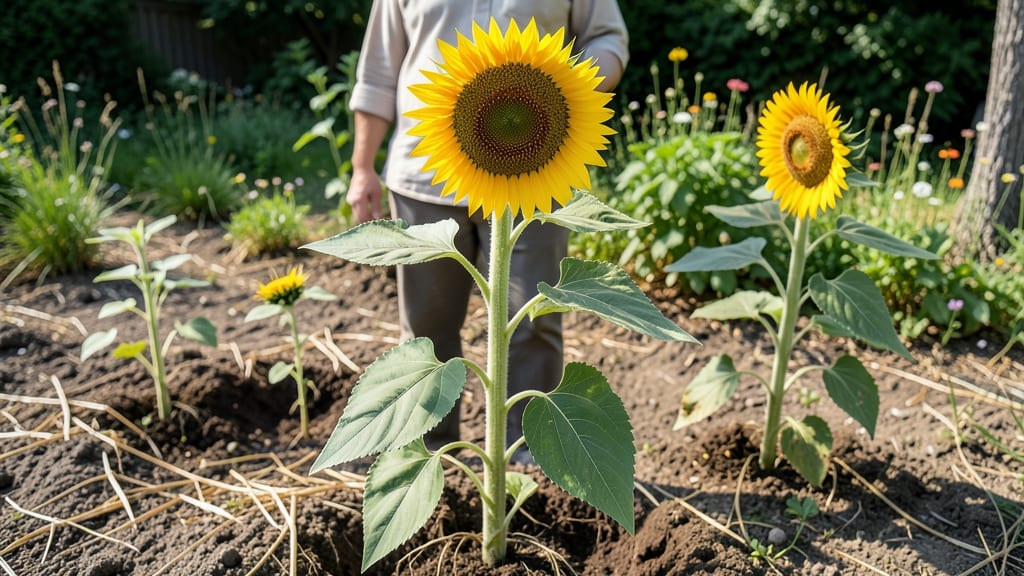
Sunflowers can grow up to 15 feet tall—taller than most people and nearly as tall as a giraffe’s neck—when given the right conditions, genetics, and care.
Picture this: a golden 🌻 towering over your fence, its massive bloom turning heads in the neighborhood. But not all sunflowers reach such dramatic heights—some stay compact at just a few feet, while others stretch skyward with surprising speed.
Genetics play the biggest role in height, with varieties like 'Mammoth' and 'Russian Giant' pushing the limits. But sunlight, soil, and even watering habits can either help them soar or leave them stunted.
In this guide, I’ll break down the tallest varieties, share proven tips to encourage maximum growth, and reveal common mistakes that keep sunflowers from reaching their full potential.


Sunflower height records: tallest varieties and their stunning heights
Sunflowers aren't just cheerful faces in your garden—they're architectural wonders that can reach staggering heights. Some varieties grow tall enough to block out your neighbor's fence, while others stay compact enough for container gardens.
The tallest sunflowers can surpass 12 feet, rivaling small trees! But what makes these giants possible? It's all about genetics, sunlight, and care.
The secret to growing towering sunflowers lies in choosing the right variety. Dwarf types like 'Teddy Bear' stay under 3 feet, while giants like 'Russian Giant' can hit 14-15 feet.
Even standard varieties like 'Mammoth' reach 10-12 feet. These heights aren't just for show—they're a testament to nature's engineering when given the right conditions.
If you're dreaming of giant sunflowers, the Russian Giant variety is your best bet. These sunflowers can grow 14-15 feet tall, making them perfect for creating dramatic focal points in your garden.
They thrive in USDA zones 2-11 and love well-drained soil. For maximum height, plant them in early spring when the soil temperature reaches 50°F.
The Mammoth variety is another excellent choice for tall sunflowers, reaching 10-12 feet. These sunflowers are known for their large, vibrant blooms and sturdy stems, making them ideal for cut flowers.
To encourage their growth, ensure they receive at least 6-8 hours of sunlight daily and are planted in nutrient-rich soil.
For those with limited space, semi-dwarf varieties like Autumn Beauty offer a compromise. These sunflowers grow 5-6 feet tall and produce multiple stems, creating a bushy appearance. They're perfect for mass plantings or adding height to garden borders without overwhelming smaller plants.
Even dwarf varieties like Teddy Bear have their place in the garden. These sunflowers stay under 3 feet tall and are ideal for containers, window boxes, or small gardens. Despite their size, they still produce bright, cheerful blooms that attract pollinators like bees and butterflies.
To maximize sunflower height, focus on three key factors: sunlight, soil, and support. Sunflowers need full sun exposure—at least 6-8 hours daily. Plant them in well-draining soil rich in organic matter, and consider staking tall varieties to prevent flopping.
A 10-10-10 balanced fertilizer applied every 4-6 weeks during the growing season can also boost growth.
Did you know the world record for the tallest sunflower was set in 2014? A Russian Giant sunflower in Germany reached an astonishing 12.7 feet tall! While most gardeners won't hit this record, creating 10-foot giants is entirely achievable with the right care and conditions.
Whether you're growing sunflowers for cut flowers, bird feeders, or simply to admire their height, choosing the right variety is key. From dwarf types for containers to giant varieties for dramatic displays, there's a sunflower perfect for every garden.
Start with Russian Giant or Mammoth for towering heights, and don't forget to provide the sunlight and support they need to reach their full potential.
🌻
How to grow extra-tall sunflowers: proven care secrets for giant blooms
To coax your sunflowers into reaching their maximum height potential, start with the right soil preparation. Sunflowers thrive in loose, well-draining soil with a pH between 6.0 and 7.5. Before planting, mix in 2-3 inches of compost to provide essential nutrients and improve drainage.
Heavy clay soil can stunt growth, so amend it with sand or perlite if needed. I always test my soil first—it’s the foundation for tall, strong stems.
Choose a location with full sun exposure (6-8+ hours daily) and spacious planting areas. Tall varieties like 'Russian Giant' need at least 2 feet of space between plants to avoid competition.
Crowding leads to weak stems and shorter blooms. If your garden space is limited, consider growing them in containers with deep roots, but expect slightly reduced height.
🌱 Did You Know?
The tallest sunflower ever recorded grew 30 feet tall in 2022! While most garden varieties max out at 12-15 feet, genetics and ideal conditions can push them even higher. Varieties like 'Mammoth' and 'Russian Giant' regularly reach 10+ feet with proper care.
Watering plays a crucial role in stem strength. Deep watering 2-3 times per week encourages deep root growth, which supports taller stems. Avoid overhead watering, as wet foliage can attract fungal diseases like powdery mildew.
Instead, water at the base of the plant in the morning to reduce evaporation. During heatwaves, increase frequency to every 2 days—wilting can permanently stunt growth.
Fertilize strategically to fuel rapid growth. Use a balanced 10-10-10 fertilizer when plants are 1-2 feet tall, then again every 4-6 weeks during the growing season. Avoid over-fertilizing with nitrogen—it promotes leafy growth at the expense of stem strength.
I swear by a light feeding schedule to keep my sunflowers sturdy and tall.
Support tall stems early to prevent flopping. Install sturdy stakes or cages when plants reach 3 feet tall, tying them loosely with soft plant ties. Avoid tight bindings, which can girdle the stem as it grows.
For extra support, plant sunflowers near trellises or fences, letting them lean naturally. This method also protects blooms from wind damage during storms.
Prune strategically to redirect energy upward. Remove any side shoots that form at the base, as they divert nutrients from the main stem. If you notice yellowing lower leaves, trim them to improve airflow and reduce disease risk.
Never prune the top bud—this signals the plant to stop growing taller. My secret? A single sharp pair of pruners and a quick trim every 2 weeks keeps my giants on track.