
Planting
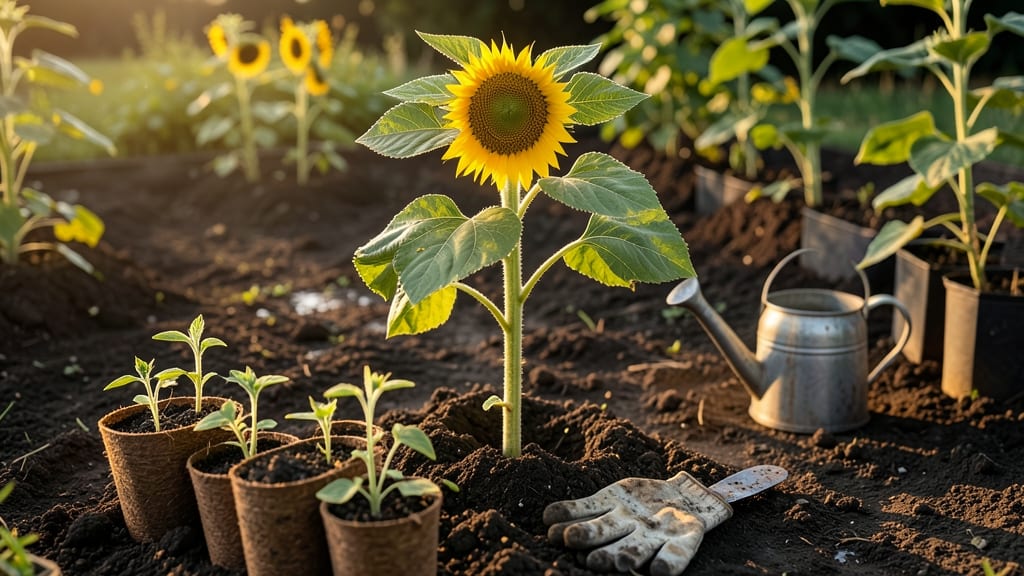
You can plant sunflowers in June—especially the fast-growing varieties that reach maturity in 60 to 90 days—but timing and care make all the difference.
June might seem too late for sunflowers 🌻, but with the right approach, you can still enjoy towering blooms by late summer or early fall. The key? Choosing heat-tolerant varieties and giving them the right conditions to thrive in the remaining growing season.
In USDA Zone 6a, where the first frost typically arrives in late October, June-planted sunflowers have a window of about 120 days to mature before cold sets in. That’s plenty of time for varieties like 'Moulin Rouge' or 'Autumn Beauty,' which bloom quickly and handle late-season heat.
Below, I’ll cover the best varieties for June, soil prep tips, and how to keep your sunflowers healthy until the first frost—so you can enjoy their bright faces well into autumn.
Best sunflower varieties for June planting: fast-growing types that thrive late
June planting might feel risky for sunflowers, but with the right fast-maturing varieties, you can still enjoy vibrant blooms by late summer. These 60-90 day varieties thrive in warm soil and won't need the full growing season to reward you with show-stopping flowers.
The key is choosing heat-tolerant types that resist late-season pests and drought stress.
For June success, focus on sunflowers that mature quickly but still produce large, sturdy stems. Dwarf varieties work well for containers, while tall varieties reach impressive heights even when planted late.
Ornamental types with double or striped petals add visual interest without sacrificing speed. Let's explore the top performers for your late-season garden.
| Variety | Height | Days to Mature | Best For | Heat Tolerance |
|---|---|---|---|---|
| 'Moulin Rouge' | 6-8 ft | 60-70 days | Cut flowers, bouquets | Excellent |
| 'Teddy Bear' | 2-3 ft | 55-65 days | Containers, borders | Very good |
| 'Autumn Beauty' | 4-5 ft | 58-65 days | Pollinators, wildlife | Good |
| 'Russian Giant' | td style="padding: 10px; border: 1px solid #4c7f4c;">10-14 ft80-90 days | Tallest blooms | Very good | |
| 'Lemon Queen' | 6-8 ft | 65-75 days | Unique color | Good |
'Moulin Rouge' is my top recommendation for June planting because it matures in just 60-70 days, giving you bold red blooms by late summer. Its thick stems support heavy flower heads, making it perfect for cut flower arrangements.
Plus, it handles hot afternoons better than most varieties, which is crucial for June success.
For smaller spaces, 'Teddy Bear' sunflowers are ideal with their compact 2-3 ft height and 55-65 day maturity. These fuzzy-petaled beauties thrive in containers and urban gardens where space is limited. Their early blooming means you'll see flowers by early July, even with late planting.
'Autumn Beauty' lives up to its name with multi-colored petals that attract pollinators and birds. This 58-65 day variety reaches 4-5 ft tall, making it great for backyard borders. Its heat tolerance ensures it won't wilt in late-season heat waves.
If you want to make a dramatic statement, 'Russian Giant' delivers with 10-14 ft stems that can reach maturity in 80-90 days. While this is the longest maturity time on our list, it still works for June planting in warmer climates (USDA zones 7+).
These sunflowers need extra support but reward you with massive blooms that dominate your landscape.
'Lemon Queen' offers a bright yellow alternative to traditional reds. With 65-75 day maturity, it fits well in late June plantings and adds a cheerful pop of color to your garden. The citrus hue also repels some common sunflower pests, making it a practical choice.
When selecting varieties, consider your garden layout and available space. Tall varieties like 'Russian Giant' need
June planting guide: soil, water, and sun requirements for sunflowers
June might feel like a risky month for planting sunflowers, but with the right approach, you can still grow vibrant, fast-maturing blooms before fall frost. The key lies in soil preparation, consistent watering, and maximizing sun exposure—all while protecting young plants from late-summer heat stress.
Sunflowers planted in June need well-draining soil enriched with compost to support rapid growth. A slightly acidic to neutral pH (6.0-7.5) is ideal, and adding a balanced fertilizer (10-10-10) at planting time gives them the boost they need to thrive in the remaining growing season.
Yes, but choose fast varieties (60-90 days to maturity) like 'Autumn Beauty' or 'Moulin Rouge.' Plant seeds 1 inch deep in full sun (6+ hours daily) and water deeply 2-3x weekly to prevent heat stress. Mulch with straw to retain moisture and protect roots from extreme temperatures.
For sunlight requirements, June-planted sunflowers need at least 6-8 hours of direct sun daily. Position them in the southernmost part of your garden to capture maximum light, especially if you're in a northern climate where days are already shortening.
If your garden lacks full sun, consider container growing on a sunny patio or balcony.
Watering is critical in June—deep, infrequent watering (1-2 inches per week) encourages strong root development. Water at morning or early evening to reduce evaporation and fungal risks. Avoid overhead watering, which can damage delicate petals and attract pests like aphids. A drip irrigation system works best for consistent moisture.
To prevent heat stress, apply a 2-3 inch layer of mulch around the base of your sunflowers. Organic mulches like straw or shredded leaves retain soil moisture and regulate temperature. Additionally, prune lower leaves to improve airflow and reduce heat buildup near the soil.
With these steps, your June-planted sunflowers can reach mature heights of 4-10 feet by late summer, providing bold, cheerful blooms that brighten up your garden until the first frost. Just be prepared to harvest seeds early if you want to save them for next year!