
Propagation
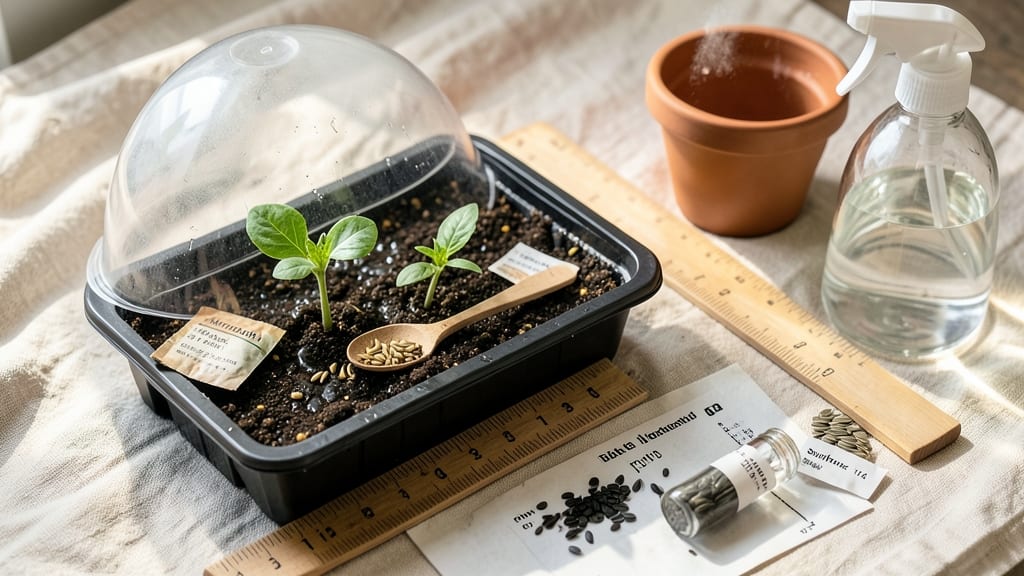
How long does it take flower seeds to germinate? The answer ranges from 3 days to over 30 days, depending on the type and conditions—and knowing these timelines can save you from unnecessary worry or replanting.
Waiting for flower seeds to sprout can feel like an eternity—especially when some varieties pop up in days while others take weeks. Understanding germination timelines by seed type helps you plan your garden efficiently and troubleshoot delays without losing patience.
Fast-sprouting flowers like marigolds and zinnias often emerge within 5 to 7 days, while slower varieties such as lavender or snapdragons may take 2 to 4 weeks. Soil warmth, moisture, and even seed age play critical roles in speeding up or slowing down this process.
In this guide, you’ll discover a speed chart of common flower seeds, factors that affect germination, and pro tips to encourage faster sprouts—so you can turn those tiny seeds into vibrant blooms sooner.
Flower seed germination time chart: fastest to slowest sprouting species
If you've ever stared at a seed tray waiting for tiny green shoots to appear, you know patience isn't always your friend in gardening. Some flower seeds sprout in just 3-5 days, while others take 30+ days to crack open.
Knowing these timelines helps you plan succession plantings and avoid prematurely digging up "failed" seeds. Fast germinators like marigolds and zinnia reward you with quick results, while perennials like peony seeds may require winter stratification to break dormancy.
The germination speed of flower seeds depends on three key factors: seed type, soil temperature, and moisture consistency. Warmth-loving annuals like cosmos and sunflower seeds often sprout within 7-10 days when soil reaches 70-75°F, while cool-season snapdragons may take 14-21 days at 60-65°F.
Below, I've organized popular flowers by their typical germination windows to help you set realistic expectations for your garden.
Notice how annual flowers like marigolds and zinnia dominate the fast-germinating category, while perennials and biennials often take longer. This pattern makes sense because annuals evolve to grow quickly in a single season, while perennials prioritize survival over speed.
For example, foxglove seeds may take 3 months to germinate because they rely on natural weather cycles to break dormancy.
One common misconception is that all slow-germinating seeds are "bad" seeds. In reality, many perennial flowers like peony and black-eyed Susan need time to establish strong roots before emerging. If you're impatient,
5 Factors that speed up (or slow down) flower seed germination
Understanding what controls flower seed germination can turn your patience into success. While some seeds sprout in days, others take weeks—often because of overlooked factors. The good news?
You can optimize these conditions to see faster, healthier growth. Let’s break down the five key elements that make or break your seed-starting efforts.
First, soil temperature is non-negotiable. Most flower seeds germinate best between 65°F and 85°F. Cool temperatures slow metabolism, while heat above 90°F can kill delicate embryos. Use a seedling heat mat if your home runs chilly, especially for slow starters like lupines or delphiniums.
Next, moisture levels require precision. Too little dries out seeds, but too much suffocates them. Keep soil consistently damp (not soggy) by misting daily or using a humidity dome. Overwatering triggers fungal diseases, while underwatering causes seeds to shrivel before sprouting.
Light exposure plays a surprising role. Some seeds, like marigolds, need light to germinate, while others, such as petunias, prefer darkness until they sprout. Check seed packet instructions—most annuals thrive with 12–16 hours of light post-germination, but avoid direct sun until seedlings are sturdy.
Seed pre-treatment can cut germination time in half. Soaking hard-coated seeds (e.g., larkspur) in warm water for 12–24 hours softens their shells. For stubborn seeds like black-eyed Susans, try scarification—lightly sanding the seed coat—to mimic natural weathering and speed up water absorption.
- 🌡️ Soil Temp: Aim for 65–85°F—use heat mats for cooler climates.
- 💧 Moisture: Keep soil damp (not soggy) with daily misting or humidity domes.
- ☀️ Light: Some seeds need darkness to sprout; others require light—check seed packets!
- 🔄 Pre-Treatment: Soak or scarify seeds to break dormancy (e.g., sandpaper for tough coats).
- 🚫 Avoid Pitfalls: Poor drainage, overcrowding, or old seeds delay germination—refresh seeds yearly!
Finally, avoid common pitfalls like planting seeds too deep (bury them 2–3x their width) or using old seeds (viability drops after 1–2 years). Poor drainage causes rot, while overcrowding steals nutrients from seedlings.
Test seed viability by placing a few in a damp paper towel—if they don’t sprout in 7–10 days, replace the batch.
By mastering these five factors, you’ll transform guesswork into predictable, speedy sprouts. Start with one adjustment—like a heat mat or scarification—and watch your garden bloom earlier than ever! 🌻