
Light Requirements
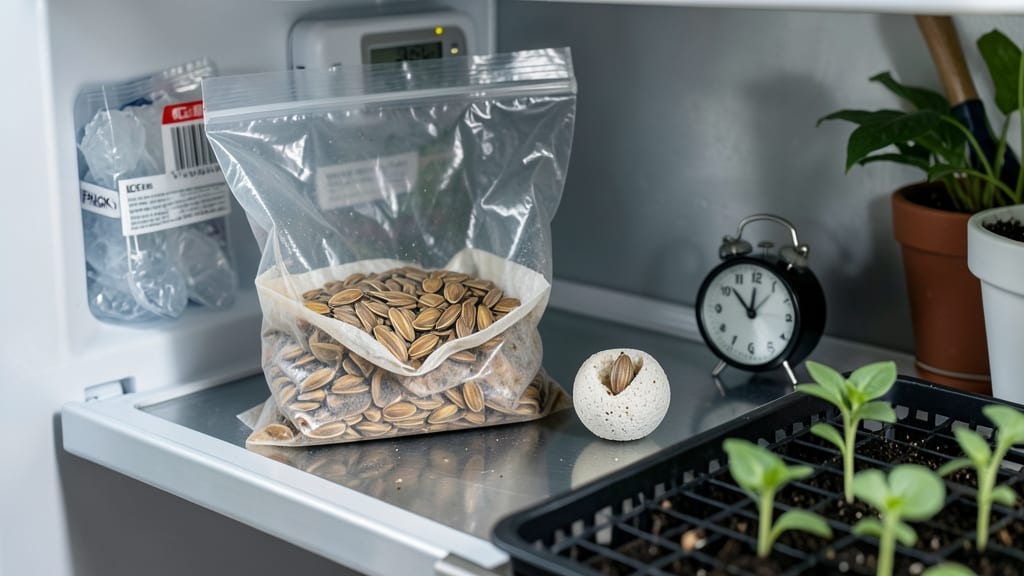
Sunflower seeds rarely need cold stratification—most commercial varieties are pre-treated and sprout just fine in warm soil, but heirloom or untreated seeds might benefit from a little chill time.
Struggling to grow sunflowers from seeds? Many gardeners swear by cold stratification, but is it really necessary for sunflower germination—or could it even harm your plants? The truth is, unless you're working with raw, untreated seeds, stratification is often unnecessary and can slow down growth instead of helping it.
Sunflowers are one of the few plants that thrive with minimal fuss, thanks to their hardy nature. While some seeds rely on cold to break dormancy, sunflowers often bypass this step entirely—especially in warmer climates like USDA Zone 6a and beyond.
That said, if you're dealing with seeds straight from the field or an heirloom variety, a short cold treatment might give them a gentle nudge to wake up.
Below, I’ll break down when stratification helps (and when it doesn’t), plus three faster germination methods that skip the cold entirely. Whether you’re a seasoned gardener or just starting, you’ll learn how to get those 🌻 sprouts popping in record time—without overcomplicating things.
What is cold stratification and why most sunflower seeds Don’t Need It
If you’ve ever scrolled through gardening forums, you’ve likely seen recommendations to cold stratify sunflower seeds for better germination. But here’s the truth: most commercial sunflower seeds already undergo treatment—meaning they’re ready to sprout without extra chilling.
Cold stratification mimics winter conditions to break seed dormancy, but sunflowers typically don’t require it unless you’re working with untreated heirloom varieties.
The confusion stems from how seeds naturally survive harsh conditions. Many wild plants rely on cold stratification to trigger germination, but sunflowers—especially hybrid varieties—are bred for fast, reliable growth.
Their hard seed coats are designed to crack open when soil warms, not when it freezes. In fact, forcing stratification could even delay germination for seeds that don’t need it.
Cold stratification works by weakening the seed coat through moisture and cold, but sunflower seeds often lack thick dormancy layers. Instead, they prioritize speed—sprouting in as few as 5–10 days under ideal conditions (warm soil, consistent moisture).
This makes stratification unnecessary for most gardeners and a potential waste of time.
Here’s the catch: Regional climates play a role. In cooler zones (like USDA Zones 3–5), direct sowing in spring may benefit from a brief cold snap—but even then, sunflowers adapt quickly.
Meanwhile, in warmer zones (Zones 6–10), stratification could backfire by exposing seeds to mold before they’re ready to germinate.
One common myth is that stratification improves seed viability. While it can help with old or damaged seeds, sunflower seeds lose viability quickly when stored improperly.
If your seeds are fresh (from the current year), stratification offers zero benefit and may even introduce fungal risks if moisture isn’t controlled.
That said, there’s one exception: heirloom or wild sunflower seeds might benefit from a short stratification period (4–6 weeks). These seeds often have thicker coats to survive harsh conditions, and a cold-moist treatment can mimic their natural germination triggers.
However, even then, soaking seeds overnight or lightly nicking the coat with sandpaper (scarification) can achieve similar results without the wait.
For most gardeners, the fastest path to sunflower success is direct sowing into warm soil. Aim for temperatures above 60°F (15°C) and keep the soil consistently moist until sprouts appear. Sunflowers are hardy and fast-growing, so they’ll often outpace seeds that undergo unnecessary stratification.
If you’re still unsure, test a few seeds: Plant half stratified and half unstratified in the same pot. You’ll likely see identical germination rates—proving that sunflowers thrive on simplicity. The key is patience and proper conditions, not extra steps.
Remember, sunflowers are notoriously forgiving. Even if you skip stratification entirely, they’ll still grow—just prioritize well-draining soil and full sun to set them up for towering success. 🌻
When and how to cold stratify sunflower seeds (if you choose to)
Cold stratification isn’t a requirement for most sunflower seeds, but some heirloom or untreated varieties may benefit from this process. If you’re working with seeds that haven’t been pre-treated, stratification can break dormancy and encourage faster germination. However, over-stratification can actually harm your seeds—so timing and method matter.
Before you start, check your seed packet. Many commercial sunflower seeds are already treated to mimic stratification, meaning they’ll germinate just fine without extra chilling. But if you’re growing from untreated seeds or heirloom varieties, stratification might give you an edge—especially in warmer climates where seeds germinate too quickly.
For stratification, you’ll need two key ingredients: moisture and consistent cold. The wet stratification method involves wrapping seeds in a damp paper towel and storing them in a sealed plastic bag in your fridge (34-40°F).
This mimics natural winter conditions and speeds up the process. Alternatively, dry stratification works for seeds with harder coats—just place them in a cool, dry spot (40-50°F) for 2-3 weeks.
If you choose wet stratification, keep the paper towel damp but not soggy—excess moisture can cause mold. Check your seeds every 3-4 days and rewet if needed.
Once stratified, plant them 1 inch deep in well-draining soil and keep the soil consistently moist until germination, which typically occurs in 7-14 days after planting.
Signs your seeds are over-stratified include a musty smell, mold growth, or seeds that feel slimy or mushy when touched. If you notice any of these, discard the seeds immediately and start fresh. Over-stratification is more common with wet methods, so dry stratification is often safer for sunflowers.
For best results, test a small batch of seeds first to see how they respond. If your seeds germinate quickly without stratification, skip the process entirely. Sunflowers are fast growers, and unnecessary stratification can delay your harvest—so only use this method if your seeds truly need it.