
Shrubs
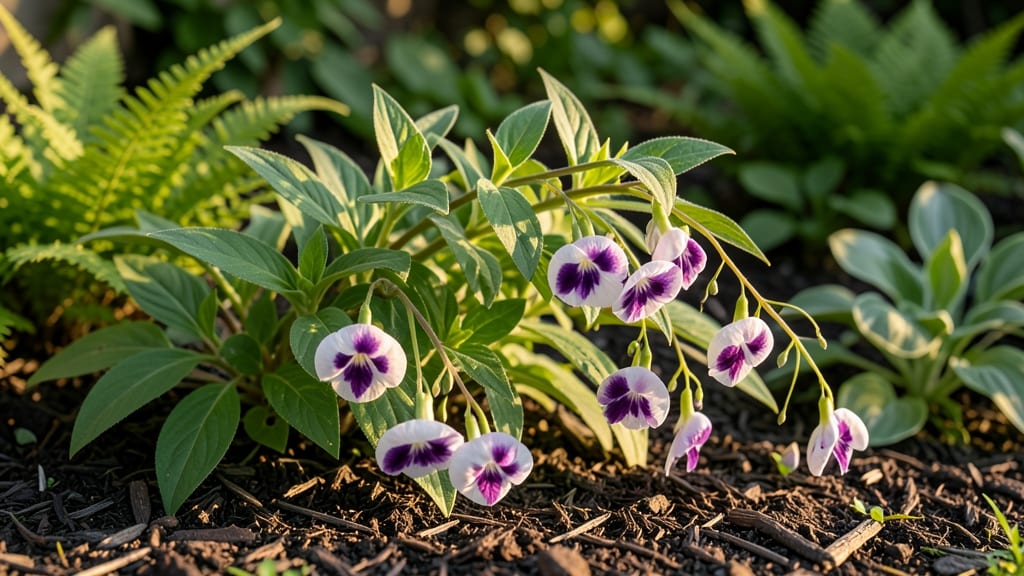
The wishbone flower thrives in sun or shade 🌸, but getting the balance right is the key to those nonstop blooms you adore.
Picture this: your wishbone flowers (Torenia) are wilting by noon or stretching leggy toward the light, and you're left wondering if you've doomed them to a season of sparse blooms.
The truth? These delicate beauties are far more adaptable than most gardeners realize—but only if you know their secret light preferences.
Too much direct sun can scorch their leaves, while deep shade might leave you with buds that never open. The magic lies in partial shade, where morning sun meets afternoon respite, or in containers you can rotate to keep light even on all sides.
Whether you're working with a shady patio or a sunny windowsill, I've got the exact light conditions and adjustments to keep your wishbone flowers bursting with color all year.
From choosing the right variety for your light conditions to troubleshooting common issues like yellowing leaves or closed buds, you'll learn how to fine-tune your care for continuous blooms—no matter where your plants live.
 Best Window Placement
Wishbone flower sun requirements: finding the perfect balance for blooms
The wishbone flower (Torenia) is a dazzling annual that rewards gardeners with nonstop blooms—but only when given the right light balance. Too much direct sun can scorch its delicate foliage, while too little light leads to leggy stems and sparse flowers.
Understanding your specific Torenia variety and local climate is key to unlocking its full potential.
Most wishbone flowers thrive in partial shade, with 3-6 hours of morning sun being ideal. However, varieties like Torenia fournieri can handle slightly more sun, while Torenia concolor prefers gentler, filtered light. The trick lies in observing your plants' behavior and adjusting their position as seasons shift.
In hot climates, afternoon sun (after 2 PM) can be too intense, even for sun-tolerant varieties. I always move my wishbone flowers to a shadier spot by late summer, using a simple trick: place them where dappled sunlight filters through tree leaves.
This mimics their natural habitat in understory environments.
For container gardeners, rotating pots quarter-turns weekly ensures even light exposure. If you notice leggy growth or buds not opening, your plant needs more light—try a south-facing window with sheer curtains to diffuse harsh rays. Conversely, yellowing leaves or burnt spots mean it's getting too much direct sun.
Seasonal adjustments are crucial. In spring and fall, when sunlight is gentler, you can give your wishbone flowers more direct exposure. But during peak summer, even 4 hours of morning sun may be too much in Zone 8+ climates.
I always monitor my plants' reaction and adjust their placement accordingly.
One common mistake is assuming all wishbone flowers have the same light needs. Torenia fournieri, for example, can handle up to 6 hours of sun in cooler regions, while Torenia 'Mystic' thrives in low-light conditions. Always check the specific variety's care tag or grower notes for precise guidance.
If you're growing wishbone flowers in containers, choose pots with light-colored surfaces to reflect excess heat. For outdoor gardens, plant them near tall perennials or shrubs that provide natural shade during the hottest part of the day. This creates a microclimate that protects delicate foliage.
Watch for these tell-tale signs of improper lighting: White or yellow leaves indicate too much sun, while dark green, sparse leaves with long stems mean insufficient light. Regularly deadheading spent blooms also encourages new growth, helping your plants adjust to their light conditions more effectively.
For gardeners in urban settings, balcony railings or east-facing windows are perfect spots. If your space only gets artificial light, supplement with a grow bulb (6,500K color temperature) for 12-14 hours daily. This mimics natural daylight and keeps your wishbone flowers blooming abundantly year-round.
Remember, the goal is continuous blooms, not just survival. By fine-tuning your wishbone flowers' light exposure—whether through seasonal rotations, shade cloths, or strategic placement—you'll enjoy their vibrant colors from spring through fall. 🌸
Shade-loving wishbone flower varieties: best choices for low-light gardens
If your garden receives limited sunlight—think 20%–50% shade—don’t despair! Wishbone flowers (Torenia) thrive in low-light conditions with the right variety selection and care adjustments. These shade-loving types produce vibrant blooms while adapting to dappled sunlight or even deep shade spots under trees.
Let’s explore the top 5 shade-tolerant varieties and how to maximize their potential in low-light gardens.
For deep shade gardens (20%–30% light), focus on darker-foliaged varieties like Torenia 'Black Velvet' or Torenia 'Mystic'—these types handle minimal direct light better than their lighter counterparts.
Meanwhile, moderate shade varieties (30%–50% light) like Torenia 'Blue Wishbone' or Torenia 'Pink Cascade' offer brighter blooms with just a few hours of filtered sunlight daily. The key is matching your light conditions to the foliage and bloom intensity of each type.
Shade vs. Sunlight for Wishbone Flowers
✅ Shade-Loving Varieties
- ✔️ Torenia 'Black Velvet' – Thrives in 20%–30% light; deep purple-black foliage and dark pink blooms.
- ✔️ Torenia 'Mystic' – Handles deep shade; velvety foliage with lavender flowers.
- ✔️ Torenia 'Blue Wishbone' – Prefers 30%–40% light; blue-violet blooms with upright growth.
Best for: North-facing windows, understory gardens, or patio shade structures.
❌ Sunlight Pitfalls
- ✖️ Sunburn risk – White/yellow leaf tips in direct afternoon sun.
- ✖️ Leggy growth – Stretched stems when deprived of morning light.
- ✖️ Fewer blooms – Overly bright light can reduce flowering intensity.
Avoid: South-facing windows without sheer curtains or intense midday sun.
🌿 Pro Tip: Rotate containers weekly to ensure even light exposure for balanced growth.
When selecting a shade-tolerant wishbone flower, prioritize foliage color—darker leaves (like Torenia 'Black Velvet') often indicate better shade adaptation. These varieties also benefit from high-humidity environments, making them ideal for bathroom windowsills or greenhouse corners.
For moderate shade, opt for lighter foliage types like Torenia 'Pink Cascade' to encourage more vibrant blooms.
To maximize blooms in low light, fertilize lightly with a balanced 5-10-10 NPK ratio every 4–6 weeks during spring and summer. Avoid overwatering, as soggy soil can lead to root rot in shaded conditions.
Instead, water deeply but infrequently—aim for 1–2 times per week depending on humidity levels. A mulch layer (2–3 inches) helps retain moisture and cool roots.
For container gardening in shade, choose larger pots (10–12 inches wide) to accommodate root growth and improve stability. Use a well-draining potting mix blended with perlite or coconut coir to prevent compaction.
Place containers near east-facing windows or under dappled tree canopies to ensure gentle morning light without harsh afternoon rays.
If your wishbone flowers show pale leaves or sparse blooms in shade, they may need supplemental grow lights. A 12-hour LED grow bulb (6500K color temperature) placed 12–18 inches above the plants can boost flowering without heat stress.
Monitor leaf color: Yellowing signals overwatering, while brown edges often mean low humidity. Mist foliage daily or use a pebble tray to increase air moisture.
With the right shade-loving variety and care tweaks, your low-light garden can burst with continuous wishbone blooms year-round. Experiment with foliage types and light adjustments to find the perfect match for your space—whether it’s a shady balcony or a woodland garden nook. 🌸