
Flowers
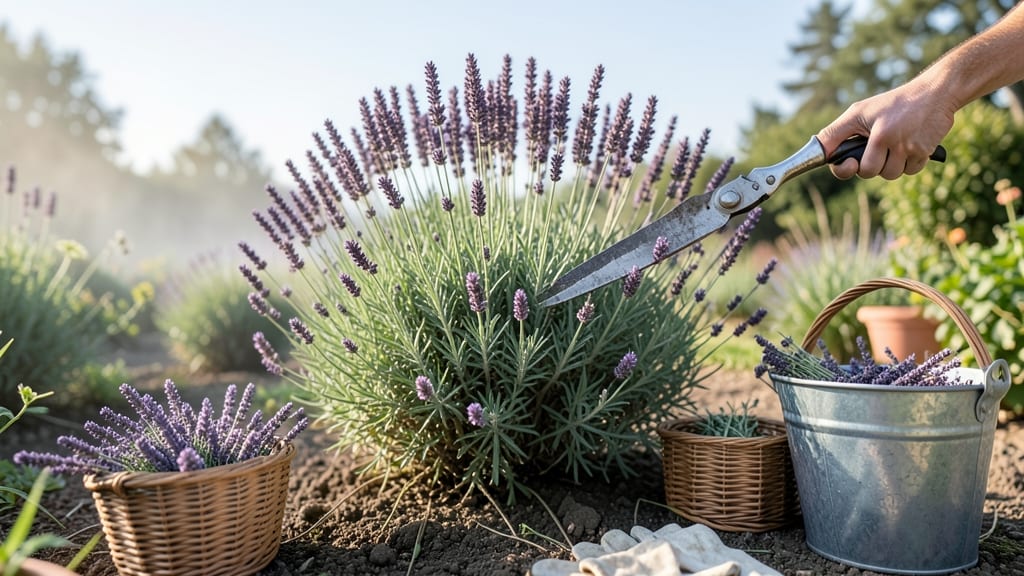
Harvesting lavender flowers at the right stage ensures the strongest fragrance and longest-lasting bouquets 🌸 — and doing it wrong can ruin everything.
Did you know that harvesting lavender at the wrong time can turn your fragrant bundles into weak, low-quality stems? Timing and technique are everything when it comes to maximizing both yield and aroma—here’s how to do it right.
If you’ve ever cut lavender too early or too late, you know the difference: buds that haven’t opened yet won’t dry well, while overripe flowers lose their signature scent. The key is catching those purple blooms just as they begin to unfurl, before they turn brown.
In this guide, I’ll walk you through the best time to harvest, the tools you’ll need, and step-by-step techniques to preserve that intoxicating lavender scent—whether you’re drying it for sachets or harvesting for essential oils.
Best time to harvest lavender flowers for maximum fragrance & oil content
Harvesting lavender at the perfect moment transforms your garden into a fragrant treasure trove. The key lies in catching those purple buds just as they begin to open—this early bloom stage ensures the highest essential oil content and richest aroma.
Miss this window, and you risk weak stems or faded color, turning your harvest into disappointment. I’ve learned the hard way that patience pays off when it comes to lavender!
Timing isn’t just about the bloom stage—it’s also about the seasonal window. Most lavender varieties thrive in USDA Zone 6a and peak between June and August, but your local climate plays a huge role.
Coastal areas might enjoy a longer harvest season, while inland regions can experience earlier blooms. Even a 10-degree temperature shift can alter when your lavender reaches its prime.
Here’s the golden rule: harvest lavender when 20-30% of the buds have opened but before they turn brown. This stage guarantees the best balance of fragrance and oil potency.
If you wait too long, the flowers lose their vibrant color and aromatic compounds, making them less ideal for drying or essential oil extraction.
| Harvest Stage | Bud Appearance | Stem Condition | Best For |
|---|---|---|---|
| Pre-Bloom (Green Buds) | Tightly closed, green | Soft, flexible | Not ideal |
| Early Bloom (20-30% Open) | Purple, partially open | Woody, firm | Drying, essential oils |
| Full Bloom (Over 50% Open) | Fully open, purple | Woody, slightly brittle | Fresh bouquets |
| Late Bloom (Brown Edges) | Dull, fading color | Brittle, dry | Avoid |
Morning is the best time to harvest lavender because the dew hasn’t evaporated yet, keeping the stems hydrated. Cutting in the early morning hours (before 10 AM) also means you’re avoiding the heat of the day, which can stress the plant and reduce oil content.
Pro tip: Use clean, sharp pruning shears to make clean cuts just above a leaf node—this encourages new growth and keeps your lavender bush healthy.
Climate plays a surprising role in harvest timing. In cooler coastal regions, lavender may bloom later in the season, while hot inland areas can push blooming forward. Pay attention to your local frost dates—harvesting too early in the season can leave your plants vulnerable to cold snaps.
I once lost a batch of lavender because I didn’t account for an unexpected late spring frost in my zone!
For essential oil extraction, timing is everything. The early bloom stage contains the highest concentration of linalool and linalyl acetate, the compounds responsible for lavender’s signature scent. If you’re growing lavender for oil, aim to harvest in the first flush of blooms—this ensures the richest yield.
For drying purposes, you can extend your harvest window slightly, but always prioritize the early bloom for the best results.
Seasonal variations also affect how often you can harvest. In mild climates, you might get two harvests per season, while cooler regions may only yield one.
Always leave at least one-third of the plant unharvested to maintain its health. Over-harvesting can weaken your lavender, reducing future yields and fragrance quality.
One common mistake I see is harvesting lavender when it’s fully open. While these flowers still look beautiful, their oil content drops significantly once they’ve fully bloomed. The bud stage is where the magic happens—this is when the plant has directed its energy into producing those fragrant compounds.
If you’re unsure whether your lavender is ready, gently squeeze a bud—if it feels firm and smells intensely aromatic, it’s harvest time!
Finally, don’t forget that weather conditions on harvest day matter. Avoid cutting lavender after rain, as damp stems can lead to mold during drying. Cloudy days are ideal because they keep the stems cool and prevent wilting.
I’ve found that harvesting on a warm but breezy morning gives me the best results—just enough sun to dry the stems quickly without overheating them.
Step-by-step lavender harvesting techniques to preserve quality
Harvesting lavender at the right stage and using the correct techniques ensures your flowers retain their signature fragrance and vibrant color. Whether you're drying bundles for sachets or extracting essential oils, proper handling makes all the difference.
The key lies in cutting stems at the optimal time, using the right tools, and processing them immediately to lock in freshness.
I’ve learned through trial and error that early morning harvests yield the best results—when the dew is still present but the sun hasn’t yet weakened the stems. Avoid harvesting after rain or in humid conditions, as moisture can cause mold during drying.
Let’s dive into the step-by-step process to guarantee your lavender stays fragrant and beautiful for months.
Step-by-Step Lavender Harvesting Guide
- 1 Choose the right tools: Use sharp pruning shears or clean scissors to avoid crushing stems. A basket with holes prevents bruising during transport.
- 2 Harvest at peak bloom: Cut stems when 1/3 of buds are open but before they turn brown. Aim for 3-4 inch stems with woody bases for durability.
- 3 Cut stems low: Snip just above a leaf node (where new growth appears) to encourage bushier plants and future blooms. Avoid cutting into old wood to prevent dieback.
- 4 Process immediately: Remove any damaged leaves or brown buds to prevent mold. Bundle stems with rubber bands or string, leaving 1 inch of space between stems for airflow.
- 5 Dry in a dark, dry space: Hang bundles upside down in a well-ventilated area (like a garage or shed) away from direct sunlight. Drying takes 2-3 weeks—test by rubbing a leaf; it should crumble easily.
After harvesting, I always store dried lavender in airtight containers away from light to preserve its aroma for up to 1 year. If you’re pressing lavender for potpourri, lay stems between absorbent paper in a heavy book for 2-3 weeks to flatten them evenly.
Never skip the drying step—fresh lavender loses 90% of its fragrance within days if not processed correctly.
Pro tip: Harvest lavender every 2-3 weeks during peak season to encourage continuous blooming. Over-harvesting weakens plants, so leave at least 1/3 of stems uncut. For essential oil extraction, harvest in morning hours when oil content is highest—this is when the fragrance compounds are most concentrated.
With these techniques, your lavender will stay vibrant, fragrant, and long-lasting, whether you’re crafting homemade potpourri or savoring the calming scent of fresh bundles. Happy harvesting! 🌸✂️🌿