
Flowers
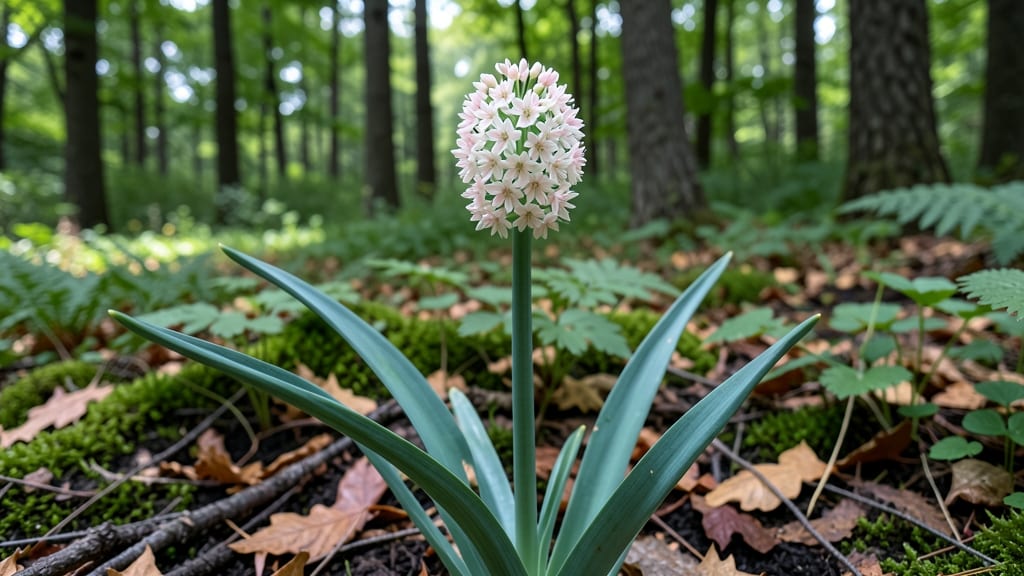
The delicate purple wild leek flowers 🌿 transform gardens into edible works of art, offering both beauty and flavor.
Did you know these flowers aren’t just stunning—they’re packed with a mild garlic-onion taste and attract pollinators while repelling pests? That makes them a game-changer for native plant landscapes.
Unlike many ornamental flowers, wild leeks thrive in partial shade, making them perfect for understory plantings or woodland gardens. Their early spring blooms provide a vibrant splash of color when few other flowers are in season.
In this guide, I’ll show you how to grow them for maximum impact, pair them with complementary plants, and even use their edible flowers in recipes—because why should your garden be pretty when it can also be delicious?
How to identify and harvest wild leek flowers for cooking
Wild leek flowers (Allium tricoccum), with their stunning purple-pink blooms, are a culinary treasure and a pollinator magnet. Unlike their toxic lookalikes, like death camas, these edible flowers pack a mild onion-garlic flavor that elevates dishes.
But harvesting them correctly ensures safety and flavor. Let’s explore how to spot authentic blooms, time your harvest, and avoid common mistakes.
First, focus on the flower structure. Wild leek flowers grow in round umbels (clustered blooms) on hollow stems. Each flower has six tepals (petal-like structures) and six stamens.
Their color ranges from pale lavender to deep purple, fading as they age. Never harvest flowers with green streaks or yellowing petals—these are past their prime and may taste bitter.
Timing is critical for flavor and nutrition. The best time to harvest wild leek flowers is late spring to early summer, just as the blooms fully open but before they brown or wilt.
Wait until morning after dew has dried to pick them—this ensures maximum freshness and prevents mold. Avoid harvesting flowers that have attracted bees or other pollinators, as their flavor may be altered.
Step-by-Step Guide to Harvesting Wild Leek Flowers
- Step 1: Locate mature plants with fully open blooms (no green centers).
- Step 2: Use clean, sharp scissors or pruners to cut stems at a 45-degree angle.
- Step 3: Harvest only the flowers, leaving leaves and bulbs intact for future growth.
- Step 4: Rinse gently with cool water to remove debris, then pat dry with a paper towel.
- Step 5: Store in a paper bag in the fridge for up to 5 days or freeze for longer storage.
When harvesting, prioritize sustainable practices. Never take more than 30% of the flowers from a single plant to ensure it can reproduce and thrive. Avoid uprooting wild leeks—digging disrupts their bulbs and can harm the plant.
If foraging in the wild, stick to known safe areas and avoid roadsides, where contamination risks are higher.
Wild leek flowers are rich in antioxidants and vitamin C, but their bulbs and leaves are the true nutritional powerhouses. The flowers themselves are mildly flavored and best used as garnishes or infusions.
For the strongest flavor, harvest flowers in the morning when their essential oils are most concentrated. If you miss the peak season, you can still force flowering indoors by placing potted plants in a cool, dark space for 6 weeks before moving them to bright light.
To distinguish wild leek flowers from dangerous lookalikes, memorize these key features: wild leeks have flat leaves (unlike death camas’ round, grass-like leaves), and their bulbs grow in clusters (death camas bulbs are single and round).
Always cross-reference with a field guide if you’re foraging in unfamiliar areas. When in doubt, skip the harvest—safety first!
Once harvested, wild leek flowers can be used in infused oils, floral teas, or as edible garnishes for salads and soups. Their delicate flavor pairs beautifully with honey, cheese, or fresh herbs.
For a longer shelf life, dry the flowers by tying small bundles and hanging them in a dark, well-ventilated space for 1-2 weeks. Store dried flowers in an airtight container away from direct sunlight.
Pro tip: Companion planting can boost your wild leek harvest. Pair them with comfrey or dill, which attract pollinators and enhance flower production. Avoid planting near alliums like garlic or onions, as they can compete for nutrients.
With the right care, your wild leeks will thrive and reward you with abundant, edible blooms year after year.
Harvesting wild leek flowers is a rewarding and sustainable practice that connects you to nature’s bounty. By following these steps, you’ll ensure safe, flavorful, and ethical foraging.
Whether you’re a culinary enthusiast or a gardening novice, these blooms add a unique touch to your garden and kitchen—just remember to harvest responsibly! 🌸
12 Creative ways to use wild leek flowers in recipes
Wild leek flowers add a delicate floral note and subtle onion-like depth to dishes, making them perfect for adventurous gardeners. While their purple blooms are often enjoyed raw in salads, their true potential lies in flavor infusion and gourmet presentations.
I’ve tested these ideas in my own garden kitchen—each method preserves their unique aroma while enhancing everyday meals.
The key to using wild leek flowers is harvesting at peak bloom when their petals are fully open but haven’t yet begun to wilt. Remove only a few flowers per plant to encourage regrowth, and always rinse gently to remove dirt before culinary use.
Their mild garlic-onion flavor pairs beautifully with both sweet and savory ingredients.
🌸 Top 5 Wild Leek Flower Uses
- Infused Oils: Steep blooms in olive oil for 2 weeks to create a fragrant garlic-leek oil perfect for drizzling over roasted veggies.
- Floral Vinegars: Combine with apple cider vinegar for a bright, tangy dressing that elevates grain bowls.
- Herbal Teas: Dry petals and steep with chamomile for a calming, digestive tea with earthy undertones.
- Garnishes: Sprinkle over creamy soups or charcuterie boards for an elegant, edible pop of color.
- Savory Compotes: Cook gently with apples and thyme to create a sweet-savory topping for pork or poultry.
For infused oils, I recommend using high-quality extra-virgin olive oil and storing the mixture in a dark glass jar away from light. The blooms should be lightly packed—overcrowding can make the oil bitter.
Strain after 2 weeks, then use within 3 months. This oil works magically on grilled fish or roasted potatoes, adding layers of umami depth.
Wild leek flowers also shine in fermented dishes. Try adding a handful of blooms to your next batch of sauerkraut or kimchi for a subtle floral kick. The fermentation process softens their texture while preserving their aromatic compounds.
For best results, blanch the flowers in boiling water for 10 seconds before fermenting to remove bitterness.
Don’t overlook their potential in desserts! The blooms’ mild sweetness pairs beautifully with honey or citrus. I’ve made wildflower shortbread by infusing the dough with finely chopped petals and topping with a honey glaze. The result is a delicate, floral crumb that’s perfect for special occasions.
If you’re feeling ambitious, try making wild leek flower syrup by simmering blooms with equal parts water and sugar until dissolved. Strain and use the syrup to glaze ham or drizzle over pancakes.
The syrup keeps for up to 3 months in the fridge, making it a versatile pantry staple.
Remember, moderation is key—wild leek flowers are potent when concentrated. Start with small amounts (1-2 blooms per serving) and adjust to taste. When used thoughtfully, these edible garden treasures can elevate even the simplest dishes into something extraordinary.