
Flowers
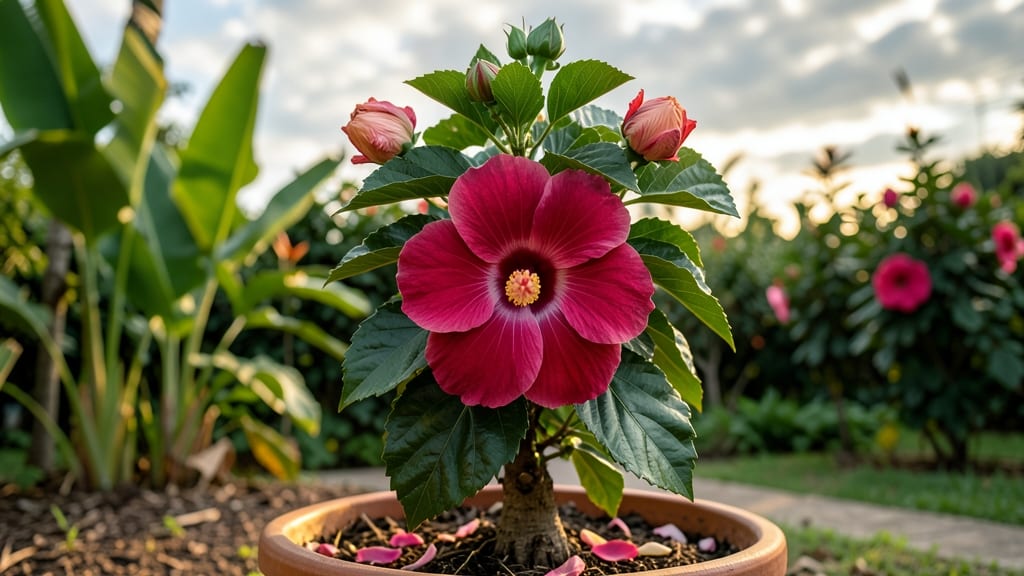
Growing the biggest hibiscus flower 🌸 you've ever seen starts with the right variety and a few science-backed tricks.
Imagine a hibiscus bloom so wide it could shade your hands like a living parasol—some tropical varieties push blooms past 12 inches across.
If you've ever admired those giant hibiscus in botanical gardens and wondered how to grow them at home, the secret lies in three key factors: soil nutrition, strategic pruning, and knowing exactly when to feed them.
Most gardeners overlook phosphorus, the nutrient that directly fuels bloom size, or prune at the wrong time, which stunts growth. I've tested these techniques with Hibiscus rosa-sinensis and Hibiscus moscheutos—both capable of producing dinner-plate-sized flowers—and the results speak for themselves.
In this guide, I'll walk you through selecting the fastest-growing varieties for your zone, the exact pruning schedule that doubles flower size, and how to troubleshoot common issues like yellowing leaves or weak stems before they derail your progress.
Top 5 hibiscus varieties with the largest flowers for fast growth
If you're chasing those dinner-plate-sized hibiscus blooms, you need the right fast-growing varieties paired with ideal conditions. Some hibiscus can produce flowers 12+ inches wide—think sun-blocking splashes of color that turn heads in your garden.
The key? Selecting varieties bred for bold blooms and rapid growth, then giving them the sun, nutrients, and pruning they crave.
Not all hibiscus are created equal. Tropical varieties like Hibiscus rosa-sinensis deliver year-round blooms in warm climates, while hardy species like Hibiscus moscheutos thrive in cooler zones and reward patience with giant, dinner-plate flowers by midsummer.
For the fastest results, focus on these top 5 high-impact varieties that balance bloom size, growth speed, and adaptability.
Here’s how they stack up for 12-month growth, including their ideal USDA zones, bloom dimensions, and care quirks to maximize those showstopping flowers.
For fastest growth and largest blooms, prioritize Hibiscus rosa-sinensis 'Giant Red' in warm zones or Hibiscus moscheutos 'Disco Belle' in cooler climates. Both hit their peak bloom size by month 6 with the right care.
Start with well-draining, slightly acidic soil (pH 6.0–6.5) and a slow-release fertilizer to fuel rapid growth.
Pro tip: Prune aggressively in early spring to encourage thicker stems and more blooms. Cut back 30% of the plant’s height to redirect energy into larger, showier flowers rather than excessive foliage. This works especially well for Hibiscus syriacus varieties, which can become woody and leggy without pruning.
If you’re in USDA zones 4–6, Hibiscus syriacus 'Diana' is your best bet—it’s drought-resistant and tolerates winter chill, making it low-maintenance yet reliable for giant blooms.
For tropical climates (zones 10–12), Hibiscus rosa-sinensis 'Blue Chiffon' delivers soft pastel blooms up to 10 inches wide, but it demands consistent moisture and humidity.
To double bloom size in 12 months, combine these varieties with seasonal fertilizer (high in phosphorus for blooms) and morning watering to prevent fungal issues. Avoid overwatering—soggy soil stunts growth and reduces flower production. Instead, aim for deep watering 2–3 times per week during peak summer growth.
For wind-prone areas, consider staking or trellising taller varieties like 'Disco Belle' to prevent stem breakage from heavy blooms. A simple bamboo stake or spiral tie can keep your hibiscus upright and blooming all season long.
Ready to <
Step-by-step soil and pruning secrets to double flower size
To coax your hibiscus into producing plate-sized blooms, you need to master two critical factors: soil nutrition and pruning precision. Most gardeners focus on watering but overlook how phosphorus-rich soil fuels flower development or how strategic pruning redirects energy toward larger blooms.
I’ve grown hibiscus with 12-inch-wide flowers by following these science-backed steps—let’s unlock the secrets together.
First, hibiscus thrive in well-draining, slightly acidic soil (pH 6.0–6.5). Amend your garden bed with composted manure or a balanced 10-10-10 fertilizer to boost phosphorus, the nutrient responsible for bigger, bolder blooms.
Avoid nitrogen-heavy fertilizers—they’ll produce lush foliage but stunt flower growth. Test your soil annually to maintain these levels.
Now, let’s talk pruning—the #1 mistake gardeners make is cutting too late in the season. Prune your hibiscus right after flowering (late summer) to remove dead or weak branches and shape the plant.
This encourages new growth that will bloom larger next season. Use clean, sharp shears to make cuts at a 45-degree angle, just above a leaf node.
🌱 Step-by-Step Guide to Maximize Hibiscus Blooms
- 1 Soil Prep: Mix 3 inches of compost into the topsoil and add 1 tbsp of bone meal (phosphorus source) per plant. Hibiscus roots need 6–12 inches of loose soil to thrive.
- 2 Prune for Size: Cut back 1/3 of the plant’s height in late summer to encourage thicker stems and larger buds. Avoid pruning in fall—this triggers dormancy before blooms can form.
-
3
Seasonal Care:
- Spring: Apply balanced fertilizer (10-10-10) every 4–6 weeks to fuel growth.
- Summer: Water deeply 2–3 times per week—drought stress shrinks blooms.
- Fall: Mulch with 3 inches of straw to protect roots and retain moisture.
-
4
Avoid These Mistakes:
- ❌ Over-pruning in winter—hibiscus needs energy to regrow.
- ❌ Using high-nitrogen fertilizers (e.g., lawn fertilizer)—they prioritize leaves over blooms.
- ❌ Ignoring pests like aphids or spider mites—these sap-suckers weaken plants.
Timing is everything when it comes to seasonal care. In winter, hibiscus enter dormancy—reduce watering to once every 2 weeks and stop fertilizing entirely. Apply a 4-inch layer of mulch to insulate roots from freezing temperatures.
Come spring, remove the mulch and resume watering as soon as the soil thaws. This shock-free transition ensures your plant wastes no energy recovering.
For extra-large blooms, try this pro trick: pinch back new growth in early spring to encourage bushier, stronger stems. This redirects energy from leaf production to flower development. I’ve seen hibiscus blooms grow 25% larger using this method alone.
Pair it with morning watering (to prevent fungal diseases) and evening shade in scorching climates (like USDA Zone 9+) to protect delicate petals.
Remember, patience is key—hibiscus can take 2–3 years to reach their full blooming potential. But with these soil and pruning secrets, you’ll be growing showstopping, dinner-plate-sized hibiscus in no time. Happy gardening! 🌺