
Flowers
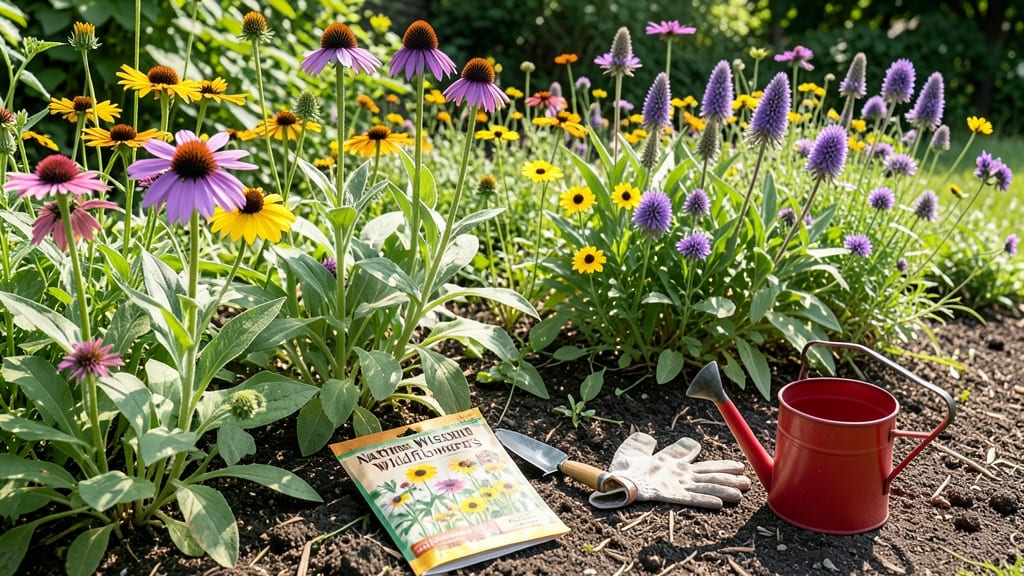
Planting wildflowers in Wisconsin at the right time means the difference between a vibrant meadow and a disappointing patch of dirt.
Wisconsin’s unpredictable frost dates can turn your wildflower dreams into a guessing game—but timing your planting right ensures vibrant blooms year after year. Whether you’re restoring prairie land or adding pollinator-friendly beauty to your yard, knowing the exact windows for planting in Wisconsin’s zones (3-5) is the key to success.
Most gardeners know spring is the go-to season, but fall planting can give your wildflowers a head start. The ideal window is early spring (March-April) or early fall (August-September), when soil temperatures are just right for seeds to germinate without the risk of frost damage.
In this guide, I’ll break down the best planting times by zone, share soil prep tips, and recommend the top native wildflowers that thrive in Wisconsin’s climate. By the end, you’ll have a clear plan to turn your yard into a buzzing, blooming paradise.
Wisconsin wildflower planting windows by hardiness Zone (3-5) and frost dates
Wisconsin’s hardiness zones 3-5 create unique challenges for wildflower planting, where frost dates can shift by weeks between northern and southern regions. In Zone 3a, where winters are harshest, your planting window is shorter, while Zone 5b offers more flexibility.
Understanding these differences ensures your wildflowers establish strong roots before winter or avoid early spring frosts.
Most Wisconsin gardeners focus on two main planting windows: early spring (just after last frost) and early fall (4-6 weeks before first frost).
However, annual wildflowers like cosmos or sunflowers can handle direct sowing in late spring, while perennial varieties like coneflowers benefit from fall planting for deeper root establishment.
Regional microclimates add another layer—areas near Lake Michigan experience delayed springs due to cooling lake breezes, while southern Wisconsin’s warmer pockets (like the Driftless Region) may see earlier frost-free dates. Always check your local USDA Plant Hardiness Zone and adjust planting by 1-2 weeks accordingly.
For precise timing, use these last frost date benchmarks as your guide: Zone 3a (May 10), Zone 3b (May 1), Zone 4a (April 25), Zone 4b (April 15), Zone 5a (April 10), and Zone 5b (April 1).
First frosts typically arrive between October 5 (Zone 5b) and October 20 (Zone 3a).
Here’s a quick reference for your planting strategy by zone and seed type:
| Zone | Last Frost | First Frost | Spring Planting Window | Fall Planting Window | Best For |
|---|---|---|---|---|---|
| 3a | May 10 | Oct 20 | May 15-June 10 | Aug 20-Sept 15 | Perennials, hardy annuals |
| 3b | May 1 | Oct 15 | May 10-June 5 | Aug 15-Sept 10 | Perennials, cold-tolerant annuals |
| 4a | April 25 | Oct 10 | April 20-May 15 | Aug 10-Sept 5 | All perennials, most annuals |
| 4b | April 15 | Oct 5 | April 10-May 10 | Aug 5-Sept 1 | All wildflowers, extended season |
| 5a | April 10 | Sept 30 | March 30-April 20 | July 30-Aug 20 | Early bloomers, tender perennials |
| 5b | April 1 | Sept 25 | March 20-April 15 | July 20-Aug 15 | All species, longest season |
In Zone 3a, where winters are longest, prioritize fall planting for perennials like black-eyed Susans and coneflowers. Their seeds need time to germinate before winter sets in. Meanwhile, Zone 5b gardeners can start spring sowing as early as late March, giving annuals like
Best wildflower species for Wisconsin’s climate and when to Plant them
Wisconsin’s diverse climate—from the cool northern forests to the warmer southern prairies—creates the perfect stage for native wildflowers that thrive with minimal fuss. The key to success lies in choosing hardy perennials and fast-sprouting annuals that align with your local frost dates.
Whether you’re aiming for instant color with annuals or long-term pollinator support with perennials, timing your planting to Wisconsin’s spring thaw or early fall ensures vibrant blooms season after season.
Native wildflowers like black-eyed Susan and purple coneflower are Wisconsin staples because they’ve evolved to handle the state’s cool springs, hot summers, and early frosts.
These plants not only survive but thrive in poor soil and require little water once established, making them ideal for both urban gardens and wild prairie restorations.
For quick results, annual wildflowers like cosmos and sunflower can be sown in late spring for summer-long blooms, while perennials like milkweed and blazing star reward you with years of pollinator-friendly flowers.
🌱 Top Wildflowers for Wisconsin + Planting Timing
- Black-Eyed Susan (Rudbeckia hirta) – Plant early spring (April) or fall (September) for golden summer blooms that last until frost. Thrives in full sun to partial shade and tolerates dry soil.
- Purple Coneflower (Echinacea purpurea) – Sow spring (April-May) or early fall (August) for long-lasting purple blooms that attract butterflies and bees. Drought-tolerant once established.
- Common Milkweed (Asclepias syriaca) – Plant late spring (May) or early fall (September) to support monarch butterflies. Prefers moist, well-drained soil in full sun.
- Wild Bergamot (Monarda fistulosa) – Sow spring (April) or fall (September) for fragrant lavender blooms loved by hummingbirds. Thrives in dry, sandy soil.
- Cosmos (Cosmos bipinnatus) – Direct-sow late spring (May-June) for fast-growing annual blooms that self-seed. Ideal for cut flowers and drought-prone areas.
- Blazing Star (Liatris spicata) – Plant spring (April) or fall (September) for spiky purple blooms that bloom late summer to fall. Loves well-drained soil.
If you’re restoring a native prairie, focus on perennials like milkweed and coneflower, which establish deep roots and outcompete weeds over time. For instant color, mix in annuals like cosmos or sunflower, which germinate quickly and bloom within 60-90 days.
Pro tip: Scatter seeds lightly on prepared soil—most wildflowers don’t need deep planting—and press them into the top ¼ inch of soil for best germination.
Wisconsin’s fall planting window (August-September) is often overlooked but ideal for perennials because seeds germinate in cool soil and establish roots before winter. This method reduces spring competition from weeds and gives plants a head start in the growing season.
For annuals, stick to late spring (May-June) to avoid early frost damage to tender seedlings.
One of my favorite low-maintenance combos is pairing black-eyed Susan (for golden summer color) with wild bergamot (for hummingbird visits) in a sunny meadow.
Both plants self-seed reliably, so once established, they’ll multiply naturally year after year. Just avoid over-fertilizing—wildflowers prefer lean soil to encourage vigorous blooming over leafy growth.
For urban gardens with limited space, opt for shorter varieties like coreopsis or yarrow, which thrive in rock gardens or containers. These drought-tolerant perennials bloom from mid-summer to fall and attract pollinators without taking over.
The secret to their success? Well-draining soil and minimal watering after establishment.