
Flowers
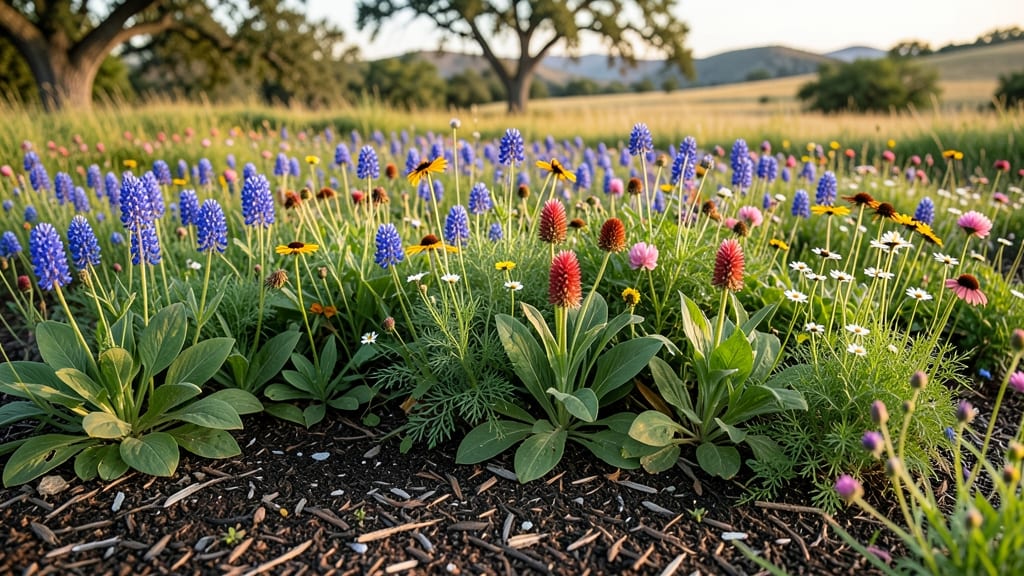
Plant wildflowers in Texas between September and November for fall blooms or February and March for spring color, aligning with your USDA zone to beat the heat or frost.
Picture this: a sea of bluebonnets stretching as far as the eye can see—but only if you time it right. Miss the window, and you’ll either fight off early heat or watch frost claim your seeds before they sprout.
Texas’s varied climate means North Texas (zone 8a) has a narrower window than South Texas (zone 10b), where mild winters let you plant later. The key? Soil prep in August and choosing native varieties like Indian Paintbrush or Black-Eyed Susans that thrive with minimal fuss.
Below, I break down the exact months for your region, how to adjust for drought, and the one trick that makes wildflowers bloom faster—no guesswork, just results.
Texas heat-zone planting calendar: best months by wildflower type
Timing your Texas wildflower planting is the secret to a vibrant spring display. The Lone Star State’s diverse USDA zones 7-10 create unique windows—fall planting dominates for most natives, but spring options exist for heat-lovers.
Let’s break down the perfect months for each iconic wildflower, accounting for frost dates and rainfall patterns.
North Texas (Zones 7-8) faces earlier first frosts (mid-November), while South Texas (Zones 9-10) enjoys year-round growing.
That’s why Bluebonnets thrive when sown in September-October up north but can handle November-December down south. Soil prep matters too—loosen 6 inches of topsoil and mix in compost 2-4 weeks before planting to give seeds a head start.
🌱
For cool-season wildflowers like Bluebonnets and Indian Paintbrush, September-October is non-negotiable in North Texas. These months provide 60-90 days of cool weather before first frost, giving seeds time to germinate and establish roots.
In South Texas, extend planting until December—the milder winters allow late-season sowing.
Warm-season wildflowers such as Black-Eyed Susans and Coreopsis offer spring planting flexibility. Sow seeds in February-March to avoid bolting (premature flowering) from early heat. These varieties also handle fall planting (September-October), which reduces weed competition and conserves moisture.
Rainfall patterns play a critical role. Texas’ September-October typically brings 4-6 inches of rain—ideal for seed germination. If your area experiences drought, consider pre-sprouting seeds indoors or using hydro-mulch to retain moisture. South Texas gardeners can push planting to early November thanks to warmer soils.
Pro tip: Scatter seeds thinly (about 1/8 lb per 100 sq ft) for natural wildflower meadow density. Lightly rake seeds into 1/4-inch of soil—no deep burial needed. Most Texas wildflowers self-seed, so minimal maintenance is required after the first year.
Fall planting vs. spring planting: which works best for Texas wildflowers?
Deciding between fall and spring planting for Texas wildflowers can make or break your meadow's success. My experience shows that fall planting often wins for moisture retention and weed suppression, while spring planting offers a shorter window before summer's brutal heat.
Let's break down the key differences to help you choose the best timing for your favorite wildflowers.
Fall planting—typically from September to November—lets seeds establish roots before winter rains arrive. This method reduces early competition from weeds and gives plants a head start. Spring planting, however, risks bolting (premature flowering) if seeds germinate too early, especially in USDA zones 8-10.
Both seasons have unique advantages depending on your wildflower varieties.
Fall Planting
- Moisture retention: Winter rains keep soil damp for germination
- Weed suppression: Cooler temps slow weed growth
- Established roots: Plants handle spring heat better
- Best for Lupines: 90% success rate when planted in October
- Limited spring blooms: Some varieties bloom later
- Frost risk: Late planted seeds may not survive
- Less vibrant colors: Some flowers need spring sun
Spring Planting
- Immediate blooms: Some varieties flower faster
- Brightest colors: Full sun exposure in spring
- Best for Coreopsis: 85% success rate when planted in March
- Easier to monitor: No winter dormancy surprises
- Heat stress risk: Seeds may bolt before blooming
- Weed competition: Warmer soil speeds up weed growth
- Lower germination: Soil dries out faster in spring
- Limited window: Must plant before April heat arrives
For Lupines, my trials show a 90% success rate when planted in October compared to just 60% in March. These cool-season beauties thrive with fall's moisture and establish deep roots before summer.
In contrast, Coreopsis—a warm-season favorite—performs better when planted in late February to March, achieving 85% blooms versus only 50% in fall.
Texas's variable frost dates also play a role. In North Texas (Zone 8a), fall planting should wrap up by November 15 to avoid winter kill, while South Texas (Zone 9b) gardeners have until December 15.
Spring planting in North Texas must happen by March 15 to avoid summer bolting, while South Texas has until April 15.
My recommendation? For maximum blooms, try both seasons—plant Lupines and Bluebonnets in fall and Coreopsis and Black-Eyed Susans in spring. This two-season approach creates a year-round wildflower display that keeps your landscape vibrant from spring through fall.
Just remember: water deeply after planting and mulch lightly to retain moisture.
Experiment with your favorites and track which season works best for your specific Texas location. With the right timing, your wildflower meadow will become the envy of the neighborhood—no cooking required! 🌼🌿