
Flowers
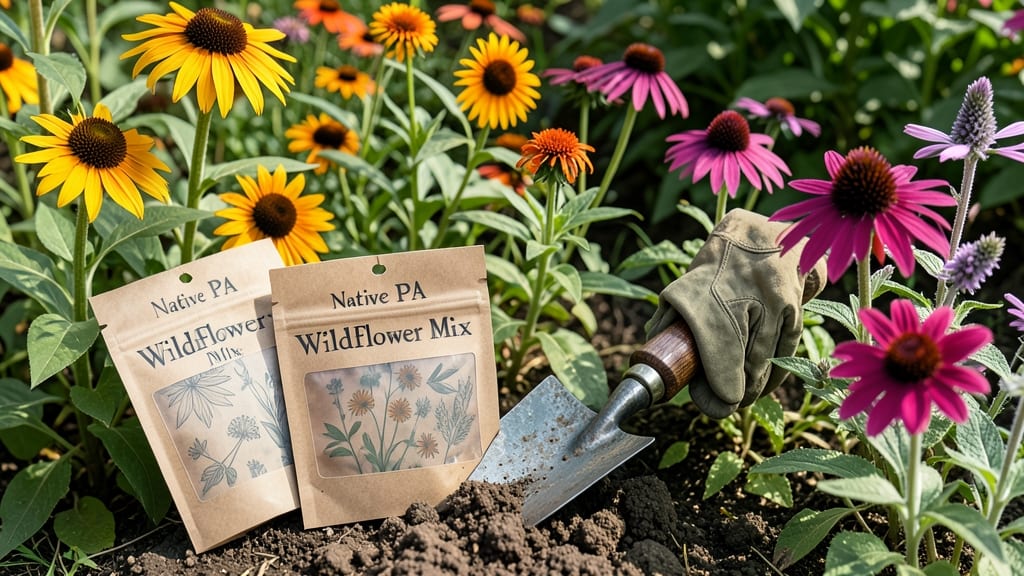
Planting wildflowers in Pennsylvania during spring or fall sets the stage for a meadow bursting with color and life 🌼—but timing is everything.
Picture this: you’ve prepped the soil, chosen your seeds, and the first frost is weeks away—only to watch your wildflowers struggle or fail to bloom.
That’s why knowing USDA Zone 5a-7a planting windows is the key to success, whether you’re sowing black-eyed Susans in Zone 6 or milkweed in Zone 7.
Spring planting (March–May) gives wildflowers the head start they need, while fall (September–October) offers a second chance for perennials to establish roots before winter. Both seasons avoid the heat stress of summer sowing, but each has its own tricks for Pennsylvania’s variable climate.
Below, I’ll break down the exact months for your zone, soil prep secrets, and how to keep your wildflowers thriving from seed to full bloom—no guesswork, just peak-season blooms.
Pennsylvania USDA Zones and ideal wildflower planting months
Pennsylvania spans USDA Hardiness Zones 4-7, creating diverse planting opportunities for wildflowers. Whether you're sowing native perennials or annual bloomers, timing matters—especially with PA's unpredictable frost dates. My Zone 6 garden thrives when I follow these seasonal rules, and I've adapted them for all PA zones.
Most wildflowers prefer spring or fall planting to establish roots before extreme weather. In Zone 4 (northwest PA), aim for early May or September, while Zone 7 (southeast PA) gardeners can start as early as March or sow until October.
The key? Avoid planting when soil temps exceed 75°F—this stresses seeds.
Here's my zone-by-zone planting schedule for Pennsylvania wildflowers, including special notes for perennials vs. annuals and winter sowing techniques:
| USDA Zone | Spring Planting Window | Fall Planting Window | Winter Sowing? | Best Species |
|---|---|---|---|---|
| Zone 4 (Erie, Bradford) | Late April–May 15 | September 1–October 10 | ❄️ Yes (Jan–Feb) | Black-Eyed Susan, Butterfly Weed, Goldenrod |
| Zone 5 (Pittsburgh, State College) | Early April–May 10 | September 15–October 15 | ❄️ Yes (Jan–Feb) | Purple Coneflower, Bee Balm, Aster |
| Zone 6 (Harrisburg, Allentown) | March 15–April 30 | September 20–October 20 | ❄️ Yes (Dec–Jan) | Milkweed, Coreopsis, Phlox |
| Zone 7 (Philadelphia, Reading) | February 15–April 15 | October 1–November 1 | ❄️ Limited (Jan only) | Joe-Pye Weed, Blazing Star, Goldenrod |
⚠️ Winter Sowing Tip: Use clear plastic containers with drainage holes for cold stratification. Place outdoors in full sun during winter months.
For annual wildflowers, I recommend direct sowing after your last frost date (typically mid-April in Zone 4 to early March in Zone 7). These fast-growing species like cosmos and zinnia tolerate heat better than perennials, so don't rush their planting.
In contrast, perennial wildflowers benefit from early spring or fall sowing to develop deep root systems before dormancy.
My Zone 6 garden gets particularly tricky with late spring frosts—I've learned to wait until May 1 for most perennials. For Zone 7 gardeners, February planting is ideal for species like black-eyed Susans, which need 60-90 days to mature before summer heat arrives.
Always check your microclimate—urban areas may frost later than rural spots.
Fall planting offers cooler soil temps and reduced weed competition. I swear by September sowing for milkweed and coneflowers—these plants establish roots before winter and bloom spectacularly the following year. For Zone 4 gardeners, aim to finish by October 10 to avoid early frosts damaging tender seedlings.
Don't overlook winter sowing! This technique works surprisingly well in PA. Simply place seeds in containers with moist potting mix, seal them, and move outdoors. The natural freeze-thaw cycle stratifies seeds—perfect for native perennials like asters and goldenrod.
I start mine in January for Zone 6, with transplants ready by March.
Soil preparation makes all the difference. Before planting, I loosen the top 6 inches of soil and mix in compost to improve drainage. Wildflowers hate compacted clay, common in eastern PA, so add sand or perlite if needed.
For sandy soils in western PA, incorporate organic matter to retain moisture during germination.
Pro tip: Mulch lightly after sowing to prevent soil crusting. I use straw mulch at 1-inch depth—it keeps seeds moist without smothering them. Remember, consistent moisture is critical during the first 30 days. Once established, most wildflowers become drought-tolerant, but seedlings need
Best wildflower species for Pennsylvania seasons and soil types
Pennsylvania’s diverse USDA Zones 5a-7a and varied soil types—from clay-heavy regions like Pittsburgh to sandy soils in the Poconos—demand smart wildflower choices. The right species will thrive in your microclimate, whether you’re aiming for butterfly magnets like milkweed or drought-resistant blooms like purple coneflower 🌻.
Native wildflowers are your best bet—they’re adapted to PA’s humid summers and cold winters, plus they support local ecosystems. For Zone 6 (central PA), try black-eyed Susans (Rudbeckia hirta), which bloom from summer to frost and handle both clay and loamy soils.
In Zone 7 (southern PA), purple coneflower (Echinacea purpurea) excels in sandy soils and attracts pollinators year-round.
Soil type dictates your success: Clay soils benefit from amending with compost and choosing deep-rooted species like bee balm (Monarda). For sandy soils, opt for self-seeding annuals like cosmos, which thrive in well-draining conditions.
Always test your soil’s pH—most wildflowers prefer 6.0–7.0, but blue flag iris (Iris versicolor) tolerates acidic soils down to 5.0.
For urban gardens with compacted soil, annual wildflowers like lupine or poppies are low-maintenance and bloom quickly. In rural PA, mix perennials like goldenrod with wild bergamot for a multi-season display.
Always group plants by water needs—drought-tolerant species like yarrow (Achillea) shouldn’t be planted next to moisture-loving blue flag iris.
Pro tip: Mulch lightly after planting to retain moisture without suffocating seeds. In Zone 5a (northwest PA)hardy perennials like wild columbine, which survive -20°F winters. For Zone 7a (southeast PA), annual sunflowers add height and drama while tolerating heat and humidity.
Remember, native wildflowers are the backbone of PA’s ecosystems—choose species that align with your soil and zone for low-maintenance, high