
Flowers
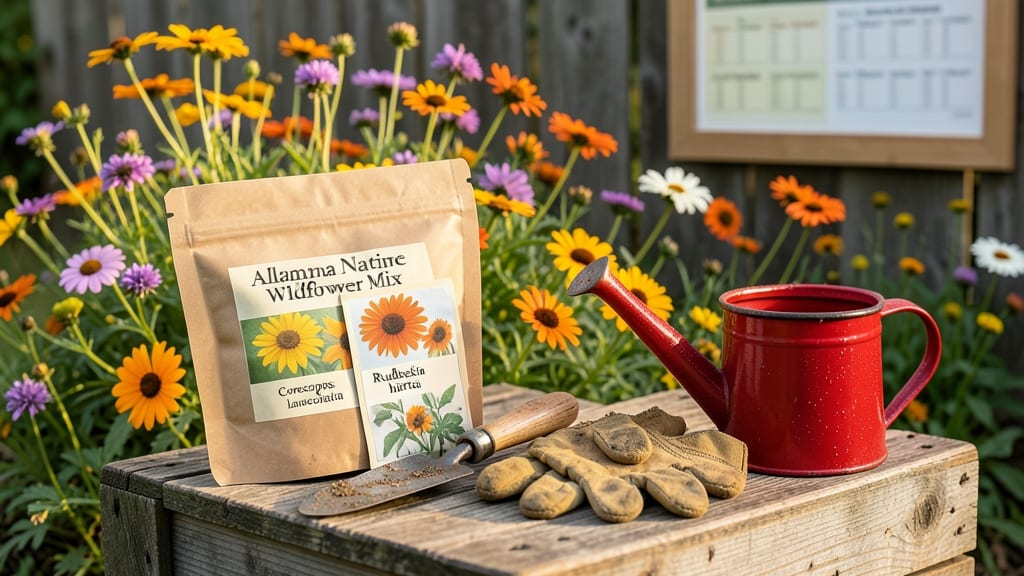
Planting wildflowers in Alabama at the right time means the difference between a burst of color by spring and a patch of weeds. The best windows are late winter to early spring or late summer to early fall, when soil warmth and moisture align just right for germination.
Alabama’s diverse climate—from the cooler Piedmont to the warmer Gulf Coast—means timing isn’t one-size-fits-all. Miss the frost-free window, and your seeds might rot before sprouting. Get it right, and you’ll enjoy blooms from March through November without extra effort.
Below, I break down the exact planting months for your region, soil prep tips to avoid common mistakes, and the native wildflowers that thrive with minimal fuss. No more guessing—just vibrant meadows year after year.
Ready to transform your yard? Let’s start with the frost dates and soil triggers that make all the difference.
Alabama’s wildflower planting zones: best months by region
Alabama’s three distinct regions—North, Central, and South—each offer unique climate conditions that dictate the perfect wildflower planting windows. In North Alabama (USDA Zones 6b-7a), cooler springs delay germination until after the last frost, typically mid-March to April.
Meanwhile, Central Alabama (Zones 7b-8a) enjoys a longer growing season, with ideal planting from February to early May. South Alabama (Zones 8a-9a) stays warm year-round, allowing plantings from January through May and even late summer for fall blooms.
Understanding these regional differences is key to avoiding frost damage or overwatering during Alabama’s unpredictable spring rains. For example, Black-eyed Susans thrive when planted in North Alabama’s April soil, while Coreopsis in South Alabama can handle January’s milder temperatures.
Let’s break down the best months for each region to ensure your wildflower meadows burst with color season after season.
| Region | USDA Zone | Best Planting Months | Last Frost Date | Soil Temp Trigger (°F) |
|---|---|---|---|---|
| North Alabama | 6b-7a | Mid-March to April | Mid-March | 50-55°F |
| Central Alabama | 7b-8a | February to early May | Late February | 55-60°F |
| South Alabama | 8a-9a | January through May | Early January | 60-65°F |
🌱 Note: Fall plantings (August-October) work in all regions for perennial varieties.
In North Alabama, where last frost dates can linger into mid-March, focus on planting wildflower seeds after April 1 to avoid frost damage. The soil temperature must reach at least 50°F for optimal germination.
I’ve found that mixed wildflower blends like ‘Wildflower Medley’ perform best when sown in early April, giving them time to establish roots before summer heat arrives.
For Central Alabama, the longer frost-free window (typically 210-240 days) allows for earlier plantings. Start sowing wildflower seeds in February for spring blooms or late August for fall displays. The soil temperature trigger here is slightly higher—55°F—so use a soil thermometer to monitor conditions.
My go-to varieties for this region include Purple Coneflower and Butterfly Weed, both of which thrive with this extended growing season.
In South Alabama’s warmer climate, you can plant wildflowers year-round, but the best months are January through May for spring blooms and August-September for fall displays. The soil temperature here rarely drops below 60°F, making it ideal for tropical wildflowers like Firewheel or Mexican Sunflower.
I’ve had success planting annual wildflowers in January to take advantage of the mild winters and early springs.
Regardless of region, fall plantings (August-October) are a game-changer for perennial wildflowers. Seeds sown in late summer germinate in cool fall soil and establish strong roots before winter.
This method ensures earlier and more abundant blooms the following spring. For example, Black-eyed Susans planted in September often outperform spring-sown seeds due to this head start.
One common mistake I see is planting too early in North Alabama or too late in South Alabama. Always check your local Alabama Extension Office for updated frost dates and soil temperature trends.
Using a seed starting kit with a built-in thermometer can also help you time plantings perfectly. Remember, wildflowers need consistent moisture during germination, so plan to water lightly every 2-3 days until seeds sprout.
For container gardening, adjust your planting schedule by 2-4 weeks earlier than ground plantings. Containers warm up faster in the sun, so start container wildflowers in February (
Soil temperature & moisture: the hidden triggers for wildflower success
Alabama’s wildflowers thrive when planted at the right soil temperature and moisture levels. Unlike cool-season crops, most native wildflowers need warm soil—typically between 60°F and 70°F—to germinate properly. Testing your soil’s warmth before planting can mean the difference between a lush meadow and a patchy, underperforming garden.
Many gardeners overlook moisture consistency, especially during Alabama’s unpredictable spring rains. Annual wildflowers like Black-eyed Susans and Coreopsis need even moisture to establish roots, while perennials like Purple Coneflowers tolerate drier conditions once established.
Adjusting your watering schedule based on rainfall patterns and soil type (sandy vs. clay) is key to avoiding seed washout or fungal issues.
🌱 When to Plant Wildflowers in Alabama
To test soil temperature, use a simple soil thermometer (available at garden centers for under $10). Insert it 2 inches deep in the soil and check readings in the morning.
If the temperature hovers below 60°F, wait another 1–2 weeks—cold soil slows germination and can lead to rot or mold.
For annual wildflowers, prioritize moisture control during the first 30 days of growth. These varieties, like Mexican Sunflowers or Cosmos, need 1 inch of water per week to prevent seedling stress.
Use a rain gauge to track rainfall and supplement with drip irrigation if needed. Overwatering can be just as harmful as underwatering, especially in clay-heavy soils common in North Alabama.
Perennial wildflowers, such as Butterfly Weed or Blazing Star, are more drought-tolerant once established but still require consistent moisture during their first season. Mulch with straw or pine needles to retain soil moisture and regulate temperature.
This is especially useful in South Alabama’s hotter climate, where evaporation rates are higher.
Alabama’s unpredictable spring weather can throw off even the most careful gardeners. If you’ve planted seeds and heavy rains arrive within a week, consider covering the area with lightweight row fabric to prevent seed erosion.
Alternatively, switch to transplants for faster, more reliable establishment—just ensure the soil is warm enough to support root growth.
Remember, soil temperature and moisture work together to create the perfect environment for wildflower germination. By monitoring these hidden triggers, you’ll unlock vibrant blooms and a garden that thrives year after year—no matter Alabama’s spring surprises. 🌿