
Blooming
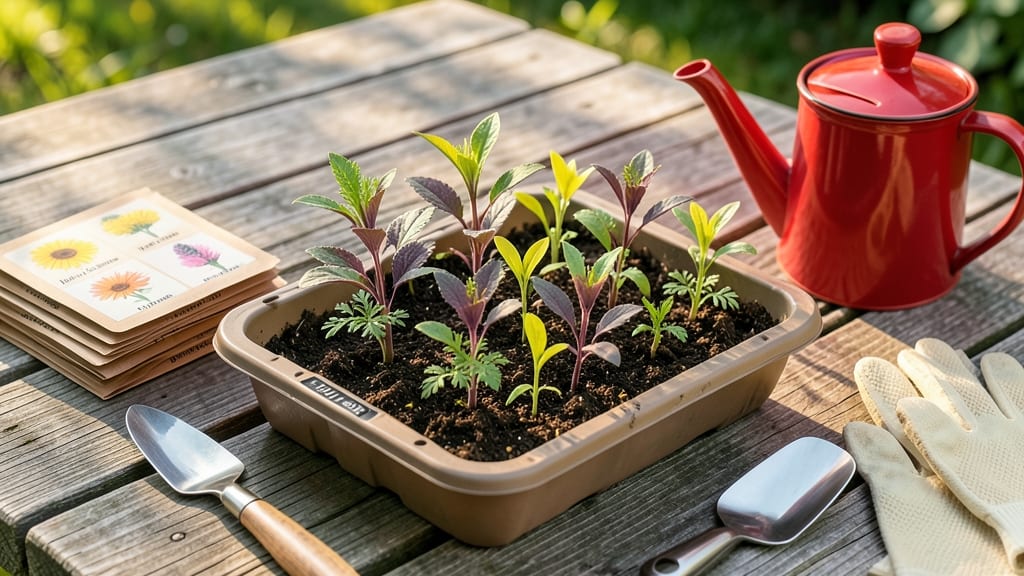
Wildflowers to sprout takes anywhere from 5 days to 6 weeks, depending on the variety, soil warmth, and even how you prep the seeds—but there’s a trick to cutting that wait time in half.
You’ve scattered your 🌼 seeds, watered them, and now you’re staring at bare soil, wondering if you’ll ever see those delicate blooms. The truth?
Some wildflowers, like cosmos and zinnias, pop up in as little as a week if the soil is warm enough, while others, like black-eyed Susans, might take 3 to 4 weeks to show their first green shoots.
The key to speeding things up isn’t just patience—it’s understanding what your seeds need. Soil temperature, moisture levels, and even seed age can turn a slow sprouter into a fast one.
Below, I’ll break down the fastest and slowest germinators, plus 5 soil warmth hacks that’ll have your wildflowers breaking through the dirt in record time.
Ready to stop guessing and start growing? Let’s get those seeds sprouting faster than you thought possible.
Wildflower germination times by seed type: fastest to slowest Sprouters
If you've ever impatiently waited for wildflower seeds to sprout, you're not alone! Some varieties pop up in just 3-7 days, while others take 3-4 weeks or longer.
The key difference? Soil temperature and seed type. Annuals like cosmos often germinate fastest, while native perennials may need patience (or a little help from Mother Nature).
Understanding these timelines helps you plan better—whether you're creating a wildflower meadow or filling gaps in your garden. Most wildflower seeds need soil temps between 60°F-85°F to germinate.
Below 50°F, growth slows dramatically, while above 90°F, seeds may dry out before sprouting. Let’s break down the fastest to slowest sprouting wildflowers.
Annual wildflowers like cosmos and zinnias are the speed demons of the garden, often sprouting within a week. Their seeds are adapted to germinate quickly in warm soil, making them perfect for filling summer gaps or adding instant color.
If you're planting these in early spring, consider using black plastic mulch to warm the soil faster and trigger germination.
Perennial wildflowers, like black-eyed susans and coneflowers, take longer to germinate because they often have tougher seed coats designed to survive harsh conditions.
These varieties reward patience with years of blooms, but they also benefit from scarification—a simple process of nicking the seed coat with sandpaper to speed up sprouting.
Native wildflowers, such as milkweed and goldenrod, can be the slowest to sprout. Their germination times vary widely due to natural adaptations for survival in unpredictable climates.
For these, fall planting is often ideal—the cooler temps help seeds stratify naturally, mimicking winter conditions and encouraging faster germination the following spring.
Regional climate plays a huge role in germination times. In warmer southern zones (8-10), wildflowers may sprout 2-3 weeks faster than in cooler northern zones (3-6).
If you're in a colder area, try pre-sprouting seeds indoors under grow lights or use a seedling heat mat for a few weeks until soil warms naturally.
Don’t forget that moisture consistency is just as critical as temperature. Keep soil evenly damp (not soggy) during germination—most wildflower seeds need 1/4-inch of water per week until they sprout.
A light misting with a spray bottle works well for small seedbeds, while a gentle watering can suffices for larger areas.
Pro tip:
5 Soil warmth hacks to make wildflowers sprout faster (without heat mats)
If you’ve ever waited weeks for wildflower seeds to sprout, you’re not alone. Many gardeners assume patience is the only solution—but soil warmth is the real game-changer. Some varieties like cosmos or zinnias can sprout in just 5-7 days with the right conditions, while others need a little extra coaxing.
The good news? You don’t need expensive heat mats to speed things up. Simple, budget-friendly tricks can mimic the warmth of spring months ahead of schedule.
Wildflowers thrive when soil temperatures reach 60-75°F, but cooler early springs can delay germination by weeks. That’s where these soil warmth hacks come in—each designed to create the ideal environment without breaking the bank.
From black plastic mulch to companion planting, these methods work by trapping heat, breaking seed dormancy, or creating microclimates that trick seeds into thinking spring has arrived.
🌱 How Long for Wildflowers to Sprout?
- Fastest Sprouters (3-7 days): Cosmos, Zinnias, Sunflowers (with warmth)
- Moderate (7-14 days): Black-eyed Susans, Coneflowers, Marigolds
- Slowest (14-30+ days): Native wildflowers (e.g., Purple Coneflower), some perennials
- Key Trick: Soil at 70°F cuts germination time in half for most varieties
- Pro Tip: Test soil warmth with a thermometer—aim for 65°F+ for fastest results
My first go-to hack is using black plastic mulch—it’s one of the cheapest ways to raise soil temperatures by 10-15°F. Simply lay a sheet of black plastic over your planting area a week before sowing.
The dark surface absorbs sunlight and radiates heat downward, creating a warm, moist environment perfect for germination. For small gardens, even a black landscape fabric works in a pinch. Just remember to remove it once seeds sprout to avoid overheating tender seedlings.
For seeds with tough outer coatings—like many native wildflowers—scarification can shave days off germination time. This involves lightly sanding or nicking the seed coat to help water penetrate. I like to use a file or sandpaper for a quick DIY treatment, then soak seeds overnight in warm water.
The next morning, plant them in pre-warmed soil. This method works especially well for black-eyed Susans and coneflowers, which often take 2-3 weeks to sprout without it.
If you’re eager to see sprouts ASAP, try pre-sprouting seeds in damp paper towels. Place seeds between two moist towels in a sealed bag and keep them in a warm spot (like on top of your fridge).
Check daily—once you see tiny roots (1/4 inch long), transplant them into warm soil. This trick can cut germination time by nearly 50% for fast-growing varieties like cosmos. Just be gentle when handling the delicate sprouts to avoid damaging their stems.
Another clever trick is companion planting with warm-season crops. Planting wildflowers near beans, peas, or squash creates a natural heat sink. These plants absorb sunlight during the day and release warmth at night, keeping the soil consistently warm.
Plus, the companion plants provide shade during the hottest part of the day, reducing moisture loss. This method is perfect for gardeners with limited space—just intersperse wildflower seeds between your existing warm-season crops.
Finally, don’t underestimate the power of strategic watering. Watering in the late afternoon instead of morning traps heat in the soil longer. For an extra boost, use warm water (not hot) when watering seeds—it mimics natural spring rains and encourages faster germination.
I’ve seen zinnias sprout 3 days earlier when using this technique compared to cold water. Just avoid overwatering, as soggy soil can lead to rot.
With these soil warmth hacks, you can transform a slow, frustrating germination process into a quick, rewarding experience. Start with one or two methods this season, and watch your wildflowers make their debut weeks sooner than expected. Happy planting! 🌻