
How To
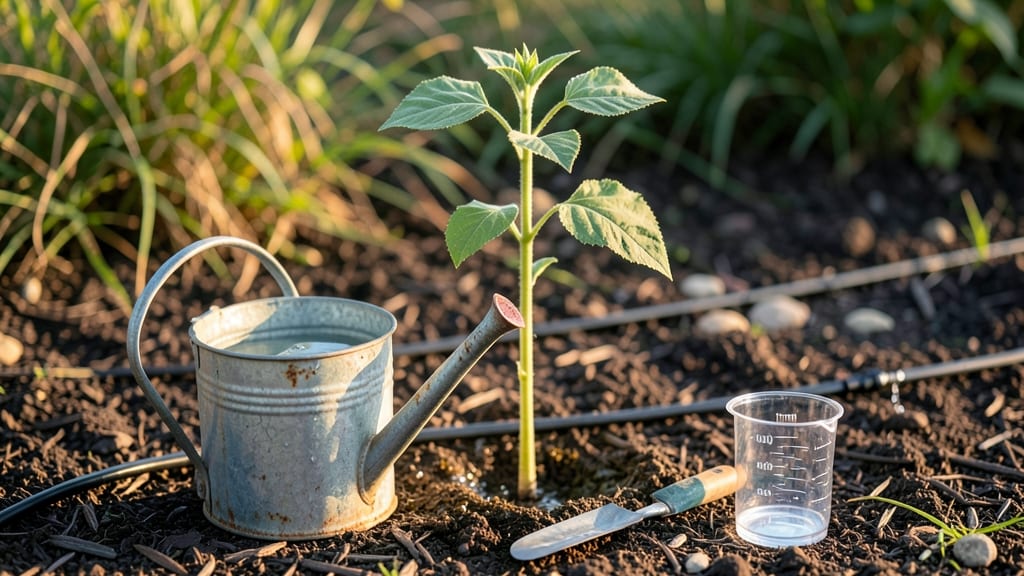
Watering sunflower seeds the right way triggers germination in just 5-7 days—but one wrong move, and you’ll end up with a tray of mush or dust.
Sunflower seeds need the perfect moisture balance to sprout—too little and they’ll dry out, too much and they’ll rot. Get this right, and you’ll watch those towering blooms emerge in weeks.
Most gardeners overthink it, but the secret isn’t complicated: it’s about keeping the soil consistently moist (not soggy) while the seeds wake up. Whether you’re planting in Zone 6a or a container, the rules are the same—just adjust for heat or rain.
Below, I’ll break down the exact schedule by stage, how to test soil moisture like a pro, and what to do when things go wrong. No guesswork, just germination success.
The exact watering schedule for sunflower seed germination (by stage)
Sunflower seeds are surprisingly delicate during germination—they need consistent moisture without becoming waterlogged. The key is maintaining even soil dampness while avoiding soggy conditions that trigger rot.
I’ve learned this the hard way: my first batch of sunflower seeds drowned in a "well-watered" tray, while another batch dried out because I wasn’t checking often enough. Let’s break down the stage-by-stage watering schedule to ensure your seeds sprout strong and healthy.
Before planting, prepare your soil or seed-starting mix to a light, fluffy texture—sunflowers hate compacted soil. Mix in perlite or vermiculite (20% by volume) to improve drainage. For direct sowing, work the soil to a depth of 6-8 inches, removing rocks and clumps.
If using germination trays, fill them with a sterilized seed-starting mix that holds moisture but drains quickly. This foundation makes all the difference in watering success.
Step-by-Step Watering Schedule for Sunflower Seeds
- Pre-Planting (Soil Prep): Water the planting area 24 hours before sowing to settle the soil. Aim for 1 inch of moisture in the top 6 inches—test by squeezing a handful of soil. If it holds shape but crumbles when touched, it’s perfect. 💧
- Day of Planting: Water seeds immediately after planting to a depth of 1 inch using a gentle spray or watering can with a fine rose. Avoid soaking the soil—you want it damp, not wet. Cover the tray or row with plastic wrap or a humidity dome to retain moisture. 🌱
- Days 1-7 (Pre-Sprout): Keep soil consistently moist (like a wrung-out sponge). Water every 1-2 days using a spray bottle or fine mist—never let the top inch dry out. Check daily by sticking your finger 1 inch deep; if it feels dry, water lightly. Remove plastic wrap after 3-4 days to prevent fungal growth. ☀️
- Days 7-14 (Sprout Stage): Once sprouts appear (usually 5-10 days), reduce watering to every 2-3 days. Use a watering can with a narrow spout to direct water to the soil, not the leaves. Aim for ½ inch of water per session. If the soil feels dry ½ inch deep, it’s time to water. Watch for yellowing leaves—a sign of overwatering. 🌿
- Days 14-21 (Early Seedling): As seedlings grow 1-2 inches tall, water every 3-4 days with ½ to 1 inch of water. Focus on deep watering to encourage strong root growth. Test soil moisture 1 inch deep—it should feel slightly damp but not soggy. If your area experiences high heat (above 85°F), water daily in the morning to prevent wilting. 🪴
- Environmental Adjustments:
- Hot/Dry Climates: Increase frequency to daily morning watering and use mulch to retain moisture.
- Cool/Humid Climates: Reduce to every 4-5 days and ensure good drainage to avoid rot.
- Indoor Trays: Mist seeds twice daily until sprouts appear, then water lightly every other day.
One of the biggest mistakes I see is watering on a schedule without checking soil conditions. Sunflowers are drought-tolerant once established, but seeds and seedlings are not. Use the finger test daily during germination: insert your finger 1 inch deep.
If the soil feels dry at this depth, water immediately. If it’s still damp, wait another day. This simple check saves seeds from both drought stress and root rot.
Another critical factor is water temperature. Use room-temperature or tepid water—cold water can shock the seeds and delay germination. Fill your watering can the night before and let it sit in a warm spot.
Avoid chlorinated water if possible; let it sit out for 24 hours to off-gas chlorine, or use rainwater if available. These small adjustments make a surprising difference in sprouting speed.
If you’re growing sunflowers in containers or trays, drainage is non-negotiable. Ensure pots have drainage holes and use a mix designed for seed starting. Overcrowded trays trap moisture and heat, creating the perfect conditions for damping-off disease.
Thin seedlings to 6 inches apart once they’re 2 inches tall to improve airflow and reduce watering needs. Proper spacing also helps prevent fungal infections that can wipe out young plants.
Finally, pay attention to time of day. Always water early in the morning (6-9 AM) to allow foliage to dry before evening. Wet leaves at night invite pests like slugs and fungal diseases.
If you must water in the evening, use a soaker hose or drip irrigation to keep leaves dry. This habit alone can double your germination success rate by reducing disease pressure from the start.
With this stage-by-stage approach, your sunflower seeds will germinate within 5-10 days and grow into sturdy seedlings ready for transplanting. The secret? Consistency and observation—not just following a rigid schedule.
Adjust based on your local climate, soil type, and container setup, and you’ll be rewarded with those iconic golden blooms by summer.
Common watering mistakes that kill sunflower seeds (and how to fix them)
Even with the right watering schedule, sunflower seeds often fail because gardeners overlook hidden moisture issues. I’ve seen trays of seeds rot from too much love and others dry into dust from hesitation. The problem isn’t just frequency—it’s soil texture, airflow, and even how you water.
Let’s tackle the three biggest killers: overwatering (which suffocates seeds), underwatering (which dries them out), and soil compaction (which blocks roots). Each mistake has a simple fix, and I’ll show you how to spot them early.
⚠️ callout warning
Sunflower seeds need consistent moisture, not constant soaking. Here’s the rule: Water only when the top ½ inch of soil feels dry. Test with your finger—if it’s damp, wait. Overwatering in Zone 6a or humid climates is the #1 cause of moldy seeds.
🔹 Fix: Use a spray bottle for gentle misting (not a stream). Elevate trays on a rack to improve airflow.
Underwatering is just as deadly—seeds shrivel before sprouting if the soil dries out. The fix? Mulch lightly with peat moss to lock in moisture, but avoid burying seeds deeper than 1 inch. A clear plastic dome (like a soda bottle cut in half) traps humidity without smothering.
Soil compaction is sneaky. Packed soil blocks oxygen, causing seeds to suffocate even with perfect watering. Loosen the soil with a fork before planting, and avoid stepping on trays. If you’re using potting mix, add perlite (20%) to improve drainage.
Humidity matters too. In dry climates, group trays together to create a microclimate, or place them on a pebble tray filled with water. Just ensure the bottom isn’t sitting in water—roots need air, not a swamp.
Watch for yellowing leaves or black spots—these are red flags. Adjust by letting the soil dry slightly between waterings. With these fixes, your seeds will sprout in 5-7 days, not weeks.