
Companion Plants
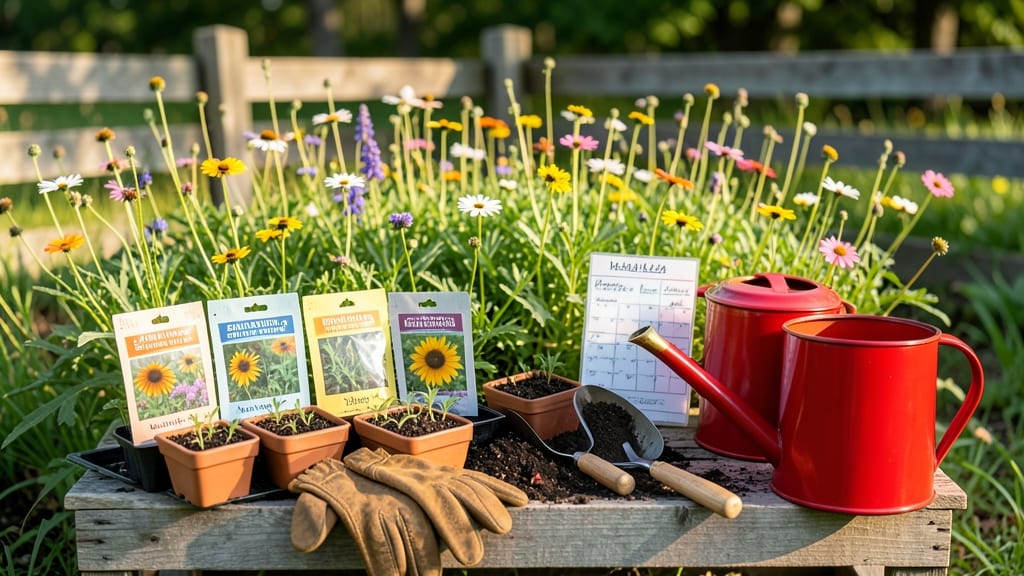
Planting wildflower seeds in Wisconsin at the right time means the difference between a burst of color by summer and a patch of dirt — and the window is narrower than you’d think.
Wisconsin’s unpredictable spring weather can turn a beautiful wildflower meadow into a gamble unless you plant at the perfect time. Missing the frost-free window by even a week could mean weaker blooms or failed germination, but timing it right guarantees a vibrant pollinator haven by summer.
For most of the state, the ideal planting window opens around March 15 and closes by May 15, but northern Wisconsin’s colder Zone 4a needs to wait until after the last frost, often late April.
Fall planting, from August 15 to September 30, is another smart move for perennials that need time to establish roots before winter.
Below, I break down the exact frost-free deadlines by zone, soil prep tips to avoid common mistakes, and the best native wildflower mixes for Wisconsin’s climate — so you can skip the guesswork and get straight to blooms.
Wisconsin’s frost-free deadline by Zone (4-5): exact planting windows
Wisconsin’s USDA Zones 4-5 create a unique challenge for wildflower gardeners. The last frost date varies dramatically—from early April in southern Wisconsin to late May in the north.
This means your planting window for wildflower seeds shifts depending on where you live, and getting it wrong can mean the difference between a thriving meadow and a failed experiment.
For annual wildflowers, the goal is to sow seeds 2-4 weeks before your last frost, while perennial varieties benefit from an earlier spring planting or a fall sowing before the first frost. Let’s break down the exact timelines you need to know for your specific region.
Pro Tip: Use the 50°F soil temperature threshold as your guide—most wildflower seeds need soil to stay consistently above this temperature for 7-10 days before planting. This rule applies to both spring and fall plantings.
If you’re in southern Wisconsin (Zone 5), you can start sowing wildflower seeds as early as mid-March, but wait until soil temperatures hit 50°F consistently to avoid frost damage.
In northern Wisconsin (Zone 4a), patience is key—don’t rush planting before mid-April, even if the air feels warm.
For annual wildflowers, like cosmos or zinnias, you can also try a late summer planting (August-September) for a second flush of blooms before winter.
However, perennial varieties, such as coneflowers or black-eyed Susans, should be planted in early spring or early fall to establish strong root systems before dormancy.
Microclimates play a huge role in Wisconsin. If you live near a large lake (e.g., Lake Michigan) or in a valley, expect earlier frost-free dates than inland areas.
Conversely, higher elevations (like the Northern Highlands) will have later frost dates. Always check local weather trends for the past 5 years to refine your timing.
One critical mistake I see gardeners make is planting too late in spring. By June 1, many wildflower seeds struggle to germinate because the soil is too dry and weeds have already taken over.
Aim to have your seeds in the ground by mid-May at the latest for optimal success.
For fall plantings, focus on August-September when soil is still warm but nights cool down. This gives seeds time to germinate before winter sets in. Use a light mulch (like straw) to protect newly sown seeds from early frost.
Remember: Wisconsin’s wildflowers thrive when planted at the right time. Whether you’re sowing native prairie mixes or colorful annuals, aligning with your local frost-free window is the secret to a vibrant, low-maintenance meadow that blooms year after year. 🌼
5 Signs your Wisconsin soil is ready for wildflower seeds (and 3 mistakes to avoid)
Timing your wildflower seeds correctly in Wisconsin isn’t just about checking the calendar—it’s about reading your soil and climate cues. I’ve learned the hard way that planting too early risks frost damage, while waiting too long invites aggressive weeds to steal your space.
The key is knowing when your soil temperature and moisture levels align with ideal germination conditions.
Native wildflowers like black-eyed Susans and coneflowers thrive when planted after the last frost, but before summer heat sets in. In Wisconsin’s Zone 4-5, this window often opens in mid-April to early May, but your garden’s readiness depends on more than dates.
Pay attention to daffodil blooms—when they fade, it’s your signal that the ground is warming safely for seeds.
- 1 Soil temperature reaches 40°F+ at 2-inch depth (use a soil thermometer for accuracy).
- 2 Daffodils or crocuses have finished blooming (natural frost-free indicator).
- 3 Top 1-2 inches of soil feel moist but not soggy (stick your finger in—it should hold shape but not be sticky).
- 4 Weeds like chickweed are sprouting (shows soil is warming and moist).
- 5 Nighttime lows stay above 35°F consistently for 5+ days (check your local forecast).
One common mistake I see is planting wildflower seeds when the soil is still too cold or too wet. Cold soil slows germination, while waterlogged conditions can cause seeds to rot. Always test your soil’s readiness by pressing your finger into it—if it crumbles easily, it’s ready.
Another pitfall is assuming all wildflowers have the same timing needs; annuals like cosmos can handle slightly later planting, while perennials need that early window.
For fall planting (another great option in Wisconsin), aim for mid-August to September when soil is still warm but nights cool down. Look for goldenrod blooming—this signals ideal conditions. Just avoid planting after mid-October, or seeds may not establish roots before winter dormancy.
Pro tip: If you’re unsure, use a soil thermometer ($10 at garden centers) to confirm temperatures. Wildflowers need consistent warmth to germinate, and Wisconsin’s spring can swing wildly.
Don’t let perfect be the enemy of good—even a 70% success rate with early planting beats waiting too long and losing your window entirely to weeds.