
Flowers
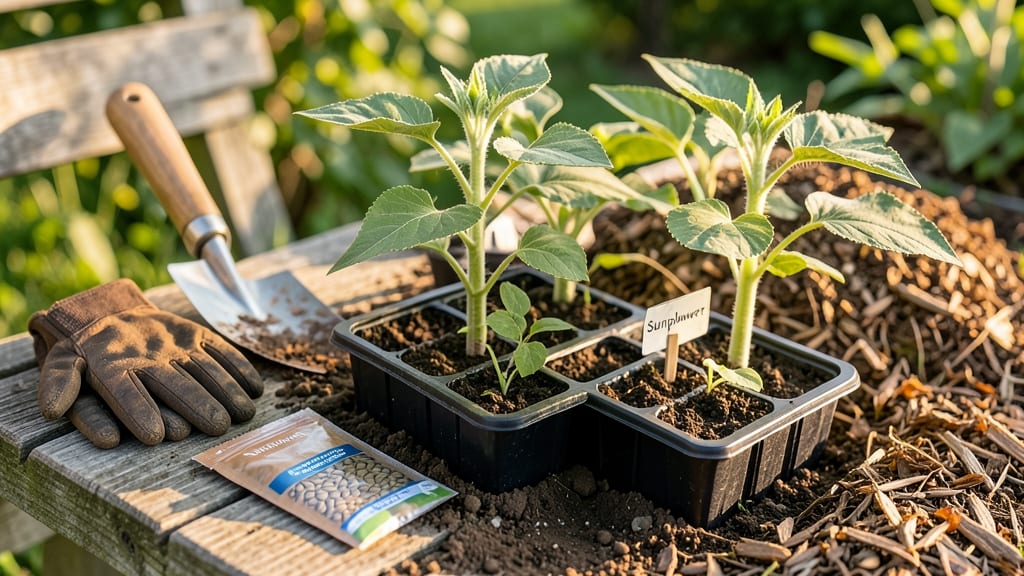
To plant sunflowers in Washington State, aim for mid-April to early June after the last frost—when soil temperatures hit 55°F and the risk of chilly nights drops.
Sunflowers thrive under Washington’s long summer days—but planting them at the wrong time can leave you with stunted stems or wilting blooms. Whether you’re in the milder Zone 8b of Western WA or the cooler Zone 6b of Eastern WA, timing matters more than you think.
In Western WA, where frost lingers until mid-March, early April is your best bet for direct sowing. Inland regions like Yakima can push planting back to late April or even May, thanks to warmer microclimates.
The key? Start seeds indoors 4-6 weeks before your last frost date to give them a head start.
Below, I’ll break down the exact planting windows by zone, soil prep tips to maximize height, and how to avoid common mistakes that keep sunflowers from reaching their full 10-16-foot potential. Ready to grow sunflowers that tower over your fence?
Washington State sunflower planting dates by USDA Zone (with frost risk charts)
Washington’s diverse climate—from the mild coastal zones of Puget Sound to the hotter inland valleys—creates unique challenges for sunflower growers. In Zone 7 (eastern WA), frost can linger until mid-April, while Zone 9 (western WA) often enjoys frost-free soil by mid-March.
Timing your planting right ensures your Russian Giant or Mammoth varieties reach their full 10-16 foot potential before fall frosts strike.
Sunflowers thrive when soil temperatures hit 55°F (13°C), a threshold typically reached 2-4 weeks after last frost. Coastal areas like Seattle (Zone 8b) may start sowing by late March, while Spokane (Zone 6b) should wait until mid-May to avoid frost damage.
Transplanting seedlings—rather than direct sowing—can shave off 2-3 weeks of growing time, giving tall varieties a critical head start.
Here’s your zone-by-zone planting guide, including frost risk charts and microclimate adjustments for Washington’s most popular sunflower-growing regions:
For direct sowing, drop seeds 1 inch deep and 6 inches apart once soil is workable. In Zone 7, aim for May 1–15 to ensure flowers mature before first frost (Oct 15).
Transplanting 4-6 week seedlings lets you start 2-3 weeks earlier, critical for 12+ foot varieties like Russian Giant.
Adjust for microclimates: Inland valleys (e.g., Yakima) can plant 2 weeks earlier than coastal areas due to hotter days. Use black plastic mulch to warm soil faster in Zone 7 gardens. In Zone 9, late February transplants can yield blooms by June—perfect for cutting gardens.
Pro tip: Monitor soil temperature with a soil thermometer. Sunflowers won’t germinate below 50°F (10°C), even if air temps are warmer. In Zone 8, wait until April 1 to avoid cold snaps that can kill young seedlings.
For maximum height, prioritize full sun (6+ hours) and deep, well-draining soil—Washington’s clay-heavy soils benefit from compost amendments.
Succession planting works well in Zone 9: Sow new batches every 2 weeks from March–June for continuous blooms through September. In Zone 7, limit to one planting in early May to avoid late-season frosts cutting the growing season short.
Always save 10% of seeds from your tallest plants for next year’s heirloom varieties!
🌱 Key Takeaway: Washington’s Zone 7-9 sunflowers thrive with May planting in eastern regions and March–April in western zones. Use frost charts and soil thermometers to
How to extend Washington’s sunflower growing season for tallest varieties
Washington’s variable climate—from Puget Sound’s mild coastal breezes to Eastern WA’s hotter inland summers—can challenge sunflower enthusiasts aiming for 10+ foot stalks. The key to maximizing height lies in extending the growing season, especially for tall varieties like 'Russian Giant' or 'Mammoth'.
By combining early starts with protective techniques, you can push blooms well past basketball hoop height even in shorter seasons.
For Zone 7 (Eastern WA), where frost lingers until mid-April, cold-frame starts in March give seedlings a 4-6 week head start. In Zone 8-9 (Western WA), where last frosts arrive by March 15, you can direct-sow late March to early April for taller varieties.
The trick is balancing early planting with frost protection—sunflowers hate cold snaps after sprouting.
Extending Sunflower Growing Season in Washington
Pros
- Cold-frame starts extend season by 4-6 weeks in Zone 7
- Row covers protect from late frosts and pests
- Succession planting ensures continuous blooms all summer
- Drip irrigation prevents water stress in variable rainfall
Cons
- Cold frames require daily monitoring for ventilation
- Row covers must be removed before flowering to prevent heat stress
- Succession planting needs space management for tall varieties
- Overwatering in rainy seasons causes root rot
My go-to method for 12+ foot sunflowers starts with indoor seed trays under grow lights in late February. Transplant hardened-off seedlings into cold frames by mid-March, then move to garden beds after last frost.
For Zone 8-9, I direct-sow 'Autumn Beauty' in late April and 'Russian Giant' in early May—this staggered approach ensures continuous blooms from July to September.
Watering is where Washington’s unpredictable rain becomes a challenge. Drip irrigation on a timer delivers 1-2 inches of water weekly, but in June-August, I boost this to 2-3 inches during dry spells. Mulching with straw retains moisture while preventing soil compaction—critical for deep-rooted giants.
Avoid overhead watering after noon to prevent fungal diseases like powdery mildew.
For late-season varieties like 'Moulin Rouge', I use row covers until mid-June to shield young plants from unpredictable spring frosts. Remove covers when flowers begin budding—trapped heat can stunt growth.
In Eastern WA, where first frosts arrive by October, I prioritize early-maturing varieties like 'ProCut' for cut flower harvests before cold sets in.
Pro tip: Test soil pH before planting—Washington’s clay-heavy soils often test acidic (pH 6.0-6.5). Amend with lime to reach 6.5-7.0 for optimal nutrient uptake. Tall sunflowers also benefit from staking in windy areas like Puget Sound—use bamboo stakes tied loosely to avoid stem damage.