
Flowers
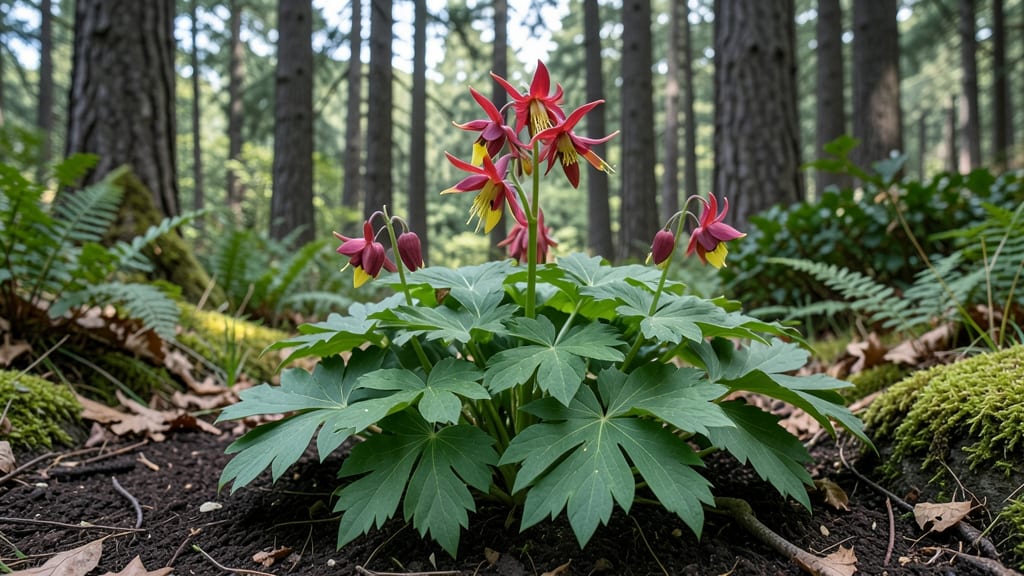
To plant flowers in Washington State, timing depends on your USDA zone—whether you're in the rainy Pacific Northwest or the drier inland areas—because frost-free dates shift dramatically.
Washington State’s diverse USDA zones—from the rainy Pacific Northwest to the drier inland areas—mean flower planting times can vary dramatically. Get your timing wrong, and your blooms may never flourish; nail it, and you’ll enjoy vibrant gardens all season long.
For example, coastal areas like Seattle (Zone 8) can start planting annuals as early as mid-March, while Eastern Washington (Zone 6) may need to wait until late April to avoid frost damage. Perennials and bulbs have their own sweet spots, too.
Below, I’ll break down the best planting windows for your region, soil prep tips, and the top flowers to choose for each microclimate—so you can turn your garden into a year-round showstopper.
Washington State USDA zones & ideal flower planting months
Washington State spans USDA Zones 6 through 8, creating unique planting windows for your garden. The coastal regions (like Puget Sound) tend to be milder with Zone 8 conditions, while eastern Washington often falls into Zones 6-7 with colder winters.
These differences mean your spring planting timeline could vary by 4-6 weeks depending on location.
Understanding your last frost date is critical—most of Western WA sees its final frost around mid-April to early May, while Eastern WA can wait until late May or June. Bulbs like tulips and dahlias should go in the ground 6-8 weeks before your last frost, while annuals like petunias thrive when planted after the danger of frost has passed.
Here’s how to adjust your planting schedule based on Washington’s microclimates—coastal areas can start earlier, while inland regions should wait for warmer soil temperatures.
| Zone & Region | Last Frost Date | Best Time to Plant Annuals | Best Time for Bulbs | Perennial Planting Window |
|---|---|---|---|---|
| Zone 6 (Eastern WA) | Late May - Early June | After June 1 (soil >50°F) | September-October (fall) or March (spring) | April-May (bare root) or September (container) |
| Zone 7 (Inland WA) | Mid-April - Early May | After May 15 (soil >55°F) | September-October or February-March | April (bare root) or September (container) |
| Zone 8 (Coastal WA) | Mid-March - Early April | After April 15 (soil >50°F) | October-November or January-February | March-April (bare root) or September-October |
Note: Adjust for microclimates—valleys freeze earlier than slopes, and urban areas may warm faster.
For annual flowers, like marigolds or zinnias, wait until the soil temperature reaches at least 50°F (10°C). Use a soil thermometer to check—cooler soil can stunt growth.
In Zone 8, you can even plant heat-loving annuals like lantana as early as April, while Zone 6 gardeners should hold off until June.
Bulbs have different rules: spring-blooming bulbs (like daffodils) should go in the ground 6-8 weeks before your last frost, while fall-planted bulbs (like tulips) need to be in by October to establish roots before winter. Coastal gardeners can plant 2-3 weeks later than inland areas due to milder winters.
Perennials are the easiest to time—plant them in early spring (after frost) or early fall (before ground freezes). Dividing perennials, like coneflowers or hostas, is best done in spring when new growth appears. In Zone 6, this means April-May, while Zone 8 can start as early as March.
Don’t forget about fall planting! Many cool-season flowers, like pansies and snapdragons, thrive when planted in September-October.
These flowers will bloom through winter and early spring, adding color when other plants are dormant. Zone 6 gardeners can plant these as late as October, while Zone 8 may extend planting until November.
If you’re unsure about your exact frost dates, check the Washington State University Extension or local Cooperative Extension Service for updated data. They provide hyper-local frost maps that account for elevation and microclimates.
For example, Spokane (Zone 6) may have a later frost than Seattle (Zone 8), even though they’re both in Washington.
Pro tip: Use row covers or cold frames to extend your planting season in cooler zones. These can protect tender annuals like geraniums from late frosts, giving you 2-3 extra weeks of planting time. Just remove covers once temperatures stay above 40°F (4°C) at night.
Finally, always amend your soil before planting. Washington’s acidic soils (common in Western WA) may need lime for blue flowers like hydrangeas, while Eastern WA’s alkaline soils benefit from sulfur or peat moss. Test your soil in early spring
Best flowers to plant by Washington’s seasonal microclimates
Washington’s diverse microclimates create perfect conditions for a variety of flowers, but timing is everything. In the Pacific Northwest, mild winters and high humidity favor moisture-loving natives like Pacific Coast Iris and Western Columbine, while Eastern Washington’s drier climate thrives with drought-tolerant Lavender and Blanket Flower.
Understanding your specific zone helps ensure vibrant blooms all season.
For spring bloomers, start with bulbs like Tulips and Daffodils in late winter (February-March) before the last frost. In Zone 7-8 areas (common in Western WA), you can even plant annuals like Petunias as early as April.
Meanwhile, Eastern WA’s cooler nights in Zone 6 may require waiting until May for tender varieties.
Here’s your seasonal planting guide tailored to Washington’s unique growing conditions:
- 🌱 Late Winter (Feb-Mar): Plant spring bulbs (Tulips, Daffodils) and hardy perennials like Peonies and Lungwort in Zone 7-8.
- 🌿 Early Spring (Apr-May): Sow annuals (Petunias, Snapdragons) and cool-season veggie flowers (Nasturtiums, Calendula) after last frost.
- ☀️ Summer (Jun-Jul): Transplant heat-loving perennials (Lavender, Coneflower) and direct-sow summer annuals (Zinnias, Marigolds) in Zone 6-7.
- 🌧️ Fall (Sep-Oct): Add fall-blooming bulbs (Crocus, Hyacinth) and winter-hardy perennials (Sedum, Hellebores) for early spring color.
In Western Washington’s coastal zones, prioritize shade-tolerant flowers like Heuchera and Ferns for wooded gardens, while Eastern WA’s sunny, dry summers call for drought-resistant picks such as Russian Sage and Yarrow. Always amend clay-heavy soils (common in Palouse region) with compost to improve drainage.
For continuous blooms, layer early spring (Crocus), summer (Black-Eyed Susan), and fall (Asters) varieties. In Zone 8’s (e.g., San Juan Islands), you can even extend your season by planting tender annuals like Geraniums in late May—just cover them if a late frost threatens.
Don’t overlook native pollinator-friendly options like Oregon Sunshine (Zone 5-8) or Showy Milkweed, which thrive with minimal care and support local ecosystems. These low-maintenance perennials often bloom for months, making them ideal for busy gardeners.
Test your soil pH before planting—most Washington flowers prefer slightly acidic to neutral (6.0-7.0). Amend with lime for acid-loving Rhododendrons or sulfur for alkaline-tolerant Lavender. With the right timing and variety, your Washington garden can burst with color from spring through frost! 🌷