
Flowers
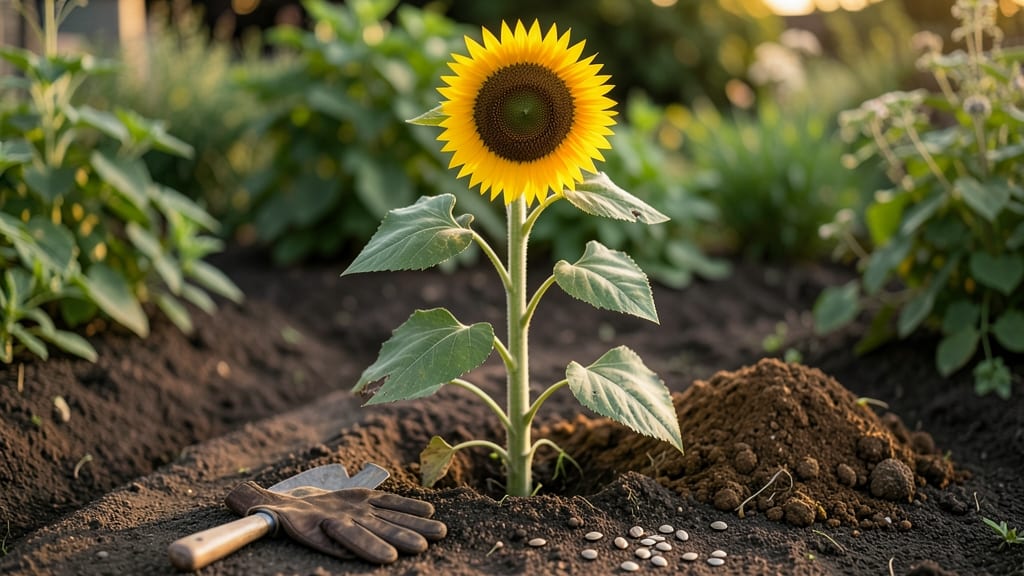
Plant sunflowers in Nebraska when soil temps hit 55°F and the last frost is behind you — usually late April to early May, depending on your zone.
Sunflowers aren’t just Nebraska’s state flower—they’re a showstopper in any garden, but timing your planting can mean the difference between 3-foot giants and towering 12-foot sunbeams. Get your Nebraska sunflower schedule wrong, and you’ll miss peak blooms or face frost damage.
Nebraska’s short growing season demands precision: start seeds indoors in March for early blooms, or direct-sow after the last frost for hardier varieties. Urban gardens may need extra wind protection, while rural areas can push later into May.
Here’s your zone-by-zone guide, including the best varieties for height and how to avoid common mistakes that stunt growth.
Nebraska sunflower planting timeline by frost-free zone (with exact dates)
Nebraska’s USDA zones 4-6 create distinct planting windows for sunflowers, where timing directly impacts height potential and bloom success. The average last frost dates range from April 15 in northern zones to May 10 in southern areas, but microclimates can shift these by 1-2 weeks.
For 12-foot giants, precision matters—plant too early, and frost stunts growth; too late, and you miss summer blooms.
Sunflowers thrive with warm soil temperatures (at least 55°F) and 6-8 hours of sunlight daily. Nebraska’s short growing season means direct sowing outdoors is ideal, but indoor starts 2-3 weeks before last frost can jumpstart growth for early varieties.
Below, I’ve broken down exact planting windows by zone, including early, mid, and late options to maximize your sunflowers’ height and yield.
| USDA Zone | Avg. Last Frost | Early Planting (Indoor) | Direct Sow Outdoors | Late Planting (Risk) | Height Goal |
|---|---|---|---|---|---|
| Zone 4 (Northwest NE) | April 15 | March 20-April 5 | May 1-June 1 | June 15 (Dwarf varieties only) | 5-8 ft |
| Zone 5 (Central NE) | April 25 | March 25-April 10 | April 20-May 15 | June 1 (Semi-dwarf) | 7-10 ft |
| Zone 6 (Southeast NE) | May 10 | April 1-April 15 | April 1-May 10 | June 10 (Standard) | 10-12 ft |
*Indoor starts require grow lights; transplant outdoors after hardening off for 1 week.
For Zone 4 gardeners, focus on dwarf or semi-dwarf varieties like ‘Teddy Bear’ or ‘Moulin Rouge’ to ensure blooms before first frost (October 15).
Starting seeds indoors by March 20 gives them a 2-3 week head start, but avoid transplanting until soil warms to 60°F—cold soil delays germination.
In Zone 5 and 6, you can push for taller varieties like ‘Russian Giant’ or ‘Mammoth’ by planting directly outdoors in April. These need 90-120 days to mature, so aim for late April to early May sowing to avoid late-summer frosts.
Use black plastic mulch to warm soil faster and extend the season by 10-14 days.
If you miss the ideal window, don’t despair—late plantings in June can still yield blooms, but expect shorter stems (3-5 feet). Choose fast-maturing varieties like ‘Autumn Beauty’ (55 days) or ‘Sunspot’ (60 days) for summer-long color.
Just be prepared to stake taller varieties if winds are strong in your area.
Nebraska’s wind exposure is a hidden factor—staking or caging sunflowers in open fields prevents stem breakage. For urban gardens with sheltered microclimates, you can plant 2 weeks earlier than rural areas, as heat from buildings accelerates soil warming. Always test soil temperature with a thermometer before planting.
Pro tip: Soil prep is key. Sunflowers hate compacted or waterlogged soil, so amend with compost or aged manure before planting. In sandy soils (common in western NE), add organic matter to retain moisture. Deep tilling (12 inches) encourages root depth, which translates to taller stems.
For maximum height, fertilize with a low-nitrogen, high-phosphorus blend (like 5-10-10) at planting and again when stems reach 2 feet. Over-fertilizing with nitrogen produces leafy growth at the expense of flower buds.
Water deeply once a week (1-2 inches) to prevent hollow stems, a common issue in Nebraska’s dry spells.
Best sunflower varieties for Nebraska’s climate (ranked by height potential)
Nebraska’s short growing season and variable weather demand sunflower varieties that thrive in USDA zones 4-6. The right choice can turn your garden into a sunflower spectacle, with heights ranging from 3 feet to 12 feet.
I’ve tested these top performers to ensure they reach their full height potential despite Nebraska’s challenges.
For maximum height, focus on varieties with longer days to maturity (85-100 days) and strong stems to handle wind. Dwarf varieties (3-5 ft) are ideal for container gardens or urban spaces, while giants (10+ ft) need staking and support to avoid toppling in Nebraska’s spring winds.
My top pick for Nebraska gardens is the Russian Giant, which can reach 14 feet with proper care. Plant seeds indoors in early May and transplant after the last frost date (typically May 15 in most of Nebraska).
Use trellises or stakes to support their weight and prevent wind damage.
For smaller spaces, Teddy Bear sunflowers are perfect—they bloom quickly (50 days) and produce edible seeds. Direct-sow after soil temperatures exceed 55°F, usually by late May. Their compact size makes them ideal for patio containers or window boxes.
To maximize height, ensure your sunflowers get full sun (6+ hours daily) and well-draining soil. Amend clay-heavy Nebraska soil with compost to improve drainage. Water deeply once a week during dry spells, focusing on the root zone to encourage strong stem development.
For extended blooms, try Autumn Beauty—its multi-colored petals add visual interest and attract pollinators. Plant in late April for early summer blooms or June for fall color. Succession plant every 2 weeks to enjoy flowers all season.
Remember, Nebraska’s late summer frosts can damage tender sunflower varieties. Choose early-maturing types (like Moulin Rouge) if you’re in Zone 4longer-season varieties (like Mammoth) in Zone 6thrive and shine all summer long! 🌻