
Planting
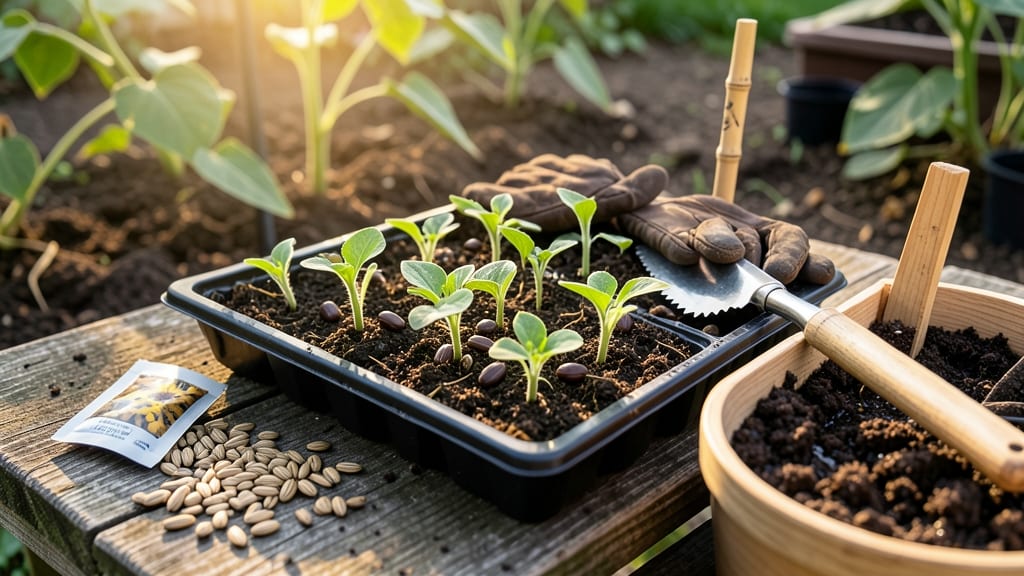
Planting sunflowers in NC at the right time means the difference between towering 🌻 blooms and sad, stunted stems.
If you've ever watched your seedlings shiver under a late spring frost or bolt in the summer heat, you know timing is everything. North Carolina's varied climate—from the cool Piedmont to the warmer coast—makes the window narrower than you'd think.
Most gardeners in zones 6a-8b should start seeds after the last frost, which typically lands in mid-April for the mountains and as early as late March near the coast. But there's a trick: planting too late can leave your sunflowers struggling before the first frost hits in November.
Below, I’ll break down the exact frost-free dates by zone, the best varieties for NC’s growing season, and how to stretch your planting window with simple tricks—so you get sunflowers that thrive, not just survive.
North Carolina frost-free dates by Zone: best sunflower planting windows
North Carolina’s diverse climate means your sunflower planting window can vary dramatically from the mountains to the coast. With USDA zones ranging from 6b to 8a, knowing your last frost dates is crucial for avoiding frost damage to young seedlings.
In Zone 6b, late spring frosts linger until April 15, while Zone 8a gardeners can start as early as February 15—but timing isn’t just about frost.
Sunflowers thrive in warm soil (50°F+), so even if frost risk passes, cold ground can stunt germination. Heat waves in July and August also stress young plants, making mid-summer sowings risky.
The sweet spot? Planting 2-4 weeks after your last frost when soil temperatures consistently stay above 55°F. This ensures strong root development before summer’s intensity hits.
🌱
| USDA Zone | Avg Last Frost | Best Planting Window | Early Variety | Late Variety |
|---|---|---|---|---|
| 6b (Mountains) | April 15 | May 1 - June 15 | 'Teddy Bear' (60 days) | 'Russian Giant' (120 days) |
| 7a (Piedmont) | March 25 | April 15 - June 1 | 'Moulin Rouge' (65 days) | 'Autumn Beauty' (90 days) |
| 7b (Coastal) | March 10 | April 1 - May 20 | 'Sunspot' (55 days) | 'ProCut' (100 days) |
| 8a (Southeast) | February 15 | March 1 - April 30 | 'Little Becka' (50 days) | 'Mammoth' (130 days) |
🌻 Note: Adjust for microclimates—valleys frost later, south-facing beds warm faster.
In Zone 6b, where late frosts are common, I recommend sticking to early-maturing varieties like 'Teddy Bear' (60 days) planted in early May. These give you blooms by July 15 before summer’s heat peaks.
Meanwhile, Zone 8a gardeners can enjoy two planting windows: early spring (March) for dwarf varieties and late summer (July) for second crops, though July plantings risk bolt-to-flower if days shorten too quickly.
Spring frosts aren’t the only threat—soil temperature matters just as much. Use a soil thermometer to confirm readings above 50°F before sowing. In Zone 7a, where last frosts average March 25, I’ve seen seedlings fail when planted too early because cold, wet soil slows germination.
Wait until April 15 to be safe, even if frost risk drops earlier.
For coastal gardeners in Zone 7b, humidity and fungal diseases like powdery mildew are bigger concerns than frost. Space plants 18-24 inches apart and choose disease-resistant varieties like 'Sunspot' to improve airflow.
In these zones, succession planting every 2 weeks from April through June extends your bloom time into October.
Heat waves in July and August can stress sunflowers, especially tall varieties like 'Russian Giant'. To combat this, I plant mid-sized varieties (6-8 feet) in late June for a September harvest before temperatures drop.
Mulch heavily with straw or wood chips to keep roots cool and retain moisture during dry spells.
One mistake I see often? Planting too late for full-size sunflowers. If you miss your zone’s ideal window, opt for dwarf varieties (under 3 feet) that mature in 50-60 days.
These can still be planted in early July and produce cheerful blooms by September, just as schools start back up—perfect for backyard displays.
Pro tip: Mark your calendar for your local extension office’s frost dates, as microclimates vary. For example, Asheville (Zone 6b) may frost until April 20, while Raleigh (Zone 7b) typically sees its last frost by March 20.
Use frost cloth for a 2-week buffer if you’re eager to plant early.
Finally, remember that sunflowers are direct-sown annuals—they don’t transplant well. Plan your seed packets accordingly, and consider container growing if your garden space is limited. With the right timing, you’ll enjoy sunflower blo
Sunflower variety planting guide: dwarf vs giant vs tall types
Choosing the right sunflower variety for your North Carolina garden means matching maturity dates with your local last frost dates. Dwarf varieties like 'Teddy Bear' (60-70 days) can handle early spring plantings, while giants like 'Russian Giant' (100-120 days) need late spring starts to avoid frost damage.
Your USDA zone and soil temperature (minimum 50°F) determine the perfect window.
North Carolina's diverse climate means gardeners in Zone 6a (Mountains) have different timing needs than those in Zone 8a (Coastal). For example, 'Moulin Rouge' (75-90 days) thrives in mid-May plantings across most zones, while 'Autumn Beauty' (90-100 days) requires July starts in cooler mountain regions to mature before frost.
| Variety | Type | Days to Mature | Best Planting Window (NC) | Height | Soil Temp |
|---|---|---|---|---|---|
| 'Teddy Bear' | Dwarf | 60-70 days | Mid-April to May | 1-3 ft | 50°F+ |
| 'Moulin Rouge' | Semi-Dwarf | 75-90 days | Late April to June | 3-5 ft | 55°F+ |
| 'Russian Giant' | Giant | 100-120 days | Late May to July | 10-16 ft | 60°F+ |
| 'Autumn Beauty' | Standard | 90-100 days | June to early July | 5-8 ft | 55°F+ |
For continuous blooms, use succession planting—sow 'Teddy Bear' every 2 weeks from April to June, then follow with 'Moulin Rouge' in late June. This creates a colorful display from summer through fall. Always plant seeds 1 inch deep and thin seedlings to 12-24 inches apart (closer for dwarfs).
North Carolina's late spring frosts can devastate sunflowers, so monitor soil temperatures with a thermometer. If nights dip below 40°F, cover young plants with frost cloth or move containers indoors temporarily. Giant varieties need 60°F+ soil to germinate quickly—wait until late May in mountain zones.
Pro tip: Mix fast-growing dwarfs with tall varieties for vertical interest. Place 'Russian Giant' at the back of borders and 'Teddy Bear' in containers on patios. Container gardening works well for dwarfs—just ensure pots are at least 12 inches deep and have drainage holes to prevent root rot.
Remember, sunflowers are annuals that thrive on full sun (6+ hours daily). In Zone 8a, you can even plant a final batch in early August for fall blooms before the first frost. Just choose early-maturing varieties like 'Moulin Rouge' to ensure they finish before winter sets in.