
Flowers
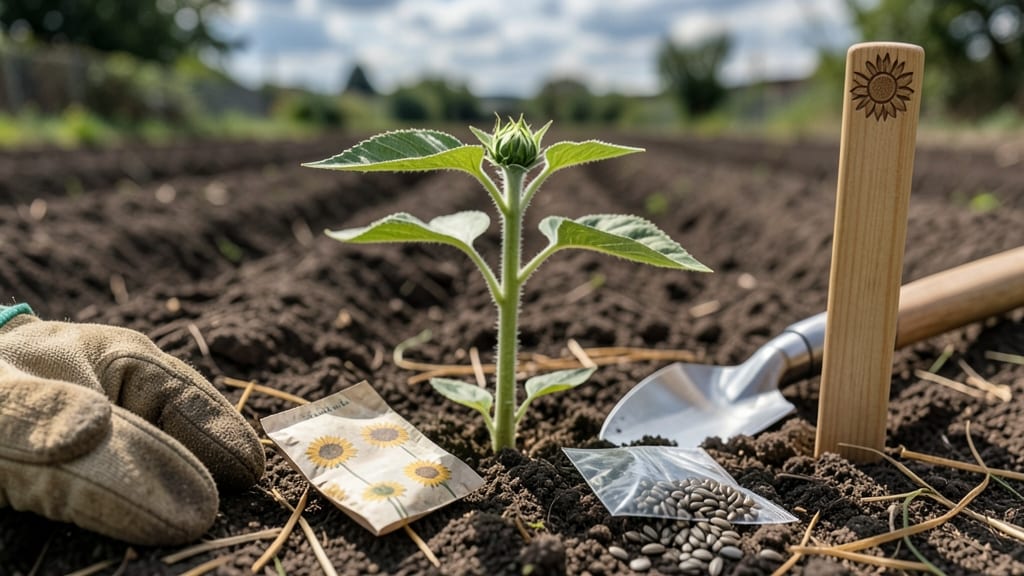
Plant sunflowers in Minnesota after your last frost date, typically between mid-May and early June when soil temperatures hit at least 50°F.
Minnesota gardeners know timing is everything—plant sunflowers too early, and frost will kill them; too late, and you’ll miss the stunning summer blooms. But with the right frost-free dates and zone-specific strategies, you can grow sunflowers that thrive from the North Shore to the Twin Cities.
In USDA Zones 3-5, where winters are long and summers can be short, choosing the right planting window ensures your 🌻 reach their full potential. Whether you're growing towering varieties for cut flowers or compact types for containers, getting the timing right is the key to a bountiful harvest.
Below, I’ll break down the ideal planting dates by zone, share pro tips to extend your growing season, and recommend the best sunflower varieties for Minnesota’s climate—so you can enjoy those cheerful blooms from August through September.
Minnesota sunflower planting dates by hardiness Zone (USDA 3-5)
Timing your sunflower planting in Minnesota depends heavily on your USDA hardiness zone and average last frost dates. In Zone 3 (North Shore, Duluth), you’ll need to wait until mid-May or later, while Zone 5 gardeners (Twin Cities, Rochester) can start as early as early May.
The key is planting after the soil warms to at least 50°F (10°C)—cold soil slows germination and weakens young plants.
Sunflowers are warm-season annuals, meaning they cannot tolerate frost. Even a light freeze will kill seedlings, so always check your local frost-free date (typically May 15-30 across Minnesota).
For direct sowing, aim to plant 2-4 weeks after your last frost date, while transplants (if using young plants) need even warmer soil and should go in 3-5 weeks after frost.
Here’s a quick reference for Minnesota’s USDA Zones 3-5, including ideal planting windows and soil temperature guidelines to maximize your sunflowers’ bloom potential.
| Zone | Avg. Last Frost | Ideal Planting Window | Soil Temp. (°F) | Notes |
|---|---|---|---|---|
| Zone 3 | May 15-25 | Late May to early June | 50°F+ | Use row covers for early starts; choose fast-maturing varieties. |
| Zone 4 | May 1-15 | Mid-May to late May | 50°F+ | Direct sow after frost; transplant starts in early June. |
| Zone 5 | April 25-May 10 | Early May to mid-May | 50°F+ | Can start indoors in April; transplant outdoors after last frost. |
If you’re unsure about your last frost date, use the 50°F soil temperature as your guide. Stick a soil thermometer 2 inches deep—when it consistently reads 50°F or warmer, it’s time to plant.
In Zone 3, this often means waiting until late May, while Zone 5 gardeners can start as early as early May. Pro tip: Use black plastic mulch to warm the soil faster if you’re eager to get planting!
Direct sowing is the best method for sunflowers in Minnesota because they hate being transplanted. Their taproots (long, deep roots) can get damaged when moved, stunting growth. For direct sowing, plant seeds 1 inch deep and 6-12 inches apart, depending on the variety’s mature size. Dwarf varieties (like ‘Teddy Bear’) can be spaced 6 inches apart, while giant varieties (like ‘Mammoth’) need 12-18 inches of space.
For gardeners in Zone 3 with short growing seasons, consider starting seeds indoors 2-3 weeks before your last frost date. Use biodegradable pots so you can transplant seedlings without disturbing their roots.
Place them under grow lights or in a sunny window until soil temperatures warm up. Once outdoors, harden off seedlings by gradually exposing them to outdoor conditions over 5-7 days.
Adjust your planting timeline if you experience an early spring or late frost. Check the National Weather Service or local cooperative extension office for updates. In Zone 4 and 5, you can even try succession planting—sow a second batch in early June for late-summer blooms.
Just be sure to choose fast-maturing varieties (like ‘Autumn Beauty’, which blooms in 50-60 days) to ensure they finish before frost.
After planting, keep the soil consistently moist (but not soggy) until seeds germinate, which typically takes 7-14 days in warm soil. Once seedlings emerge, reduce watering slightly to prevent damping off (a fungal disease).
Sunflowers are drought-tolerant once established, but they’ll reward you with bigger blooms if you water deeply 1-2 times per week during dry spells.
5 Pro tips to extend Minnesota’s sunflower growing season
Minnesota’s short growing season can be tough on sunflowers, but with the right strategies, you can push your blooms to their full potential. Late frosts and early freezes often cut the season short, but these practical tips will help you protect your plants and extend your harvest well into fall.
Whether you're growing sunflowers in the Twin Cities or the Iron Range, these methods are tailored to Minnesota’s USDA zones 3-5.
One of the biggest challenges is soil temperature. Sunflowers need soil at least 50°F (10°C) to germinate, but Minnesota’s spring can be unpredictable. If you plant too early, frost will kill your seedlings.
If you wait too long, you might miss the 60-90 day growth window needed for mature blooms. The key is balancing frost-free dates with warm soil—and these tips will show you how.
- ❄️ Choose cold-hardy varieties: Opt for early-maturing varieties like 'Autumn Beauty' (56 days) or 'Moulin Rouge' (60 days) that can handle cooler temperatures and still bloom before frost.
- 🛡️ Use row covers: Protect seedlings with floating row covers until soil warms to 55°F (13°C). Remove covers once plants are 6 inches tall to avoid overheating.
- 🌡️ Warm your soil: Spread black plastic mulch 2-3 weeks before planting to raise soil temperature. Remove it after planting to prevent overheating.
- 🌱 Succession plant: Sow new seeds every 2 weeks from late May to early July. This ensures a continuous bloom and extends your harvest window.
- 💧 Water deeply: Give plants 1-2 inches of water weekly during flowering to support large seed heads. Morning watering prevents fungal diseases.
Another game-changer is succession planting. Instead of planting all your sunflowers at once, stagger your sowing every 2 weeks from late May through early July. This ensures you’ll have blooms from July through September, even in Minnesota’s short season.
For example, plant a batch in late May for early summer blooms, then another in June for mid-summer, and a final batch in early July for late-season color.
If you’re worried about late frosts, consider using row covers or cloches to shield young plants. These lightweight fabrics allow sunlight and water to pass through while blocking light frosts (28-32°F).
Once your sunflowers reach 6 inches tall, they’ll be hardy enough to handle Minnesota’s occasional chilly nights. Just remember to remove covers during the day to prevent overheating.
Don’t overlook the power of soil warming. Minnesota’s cool springs can delay germination, but you can speed things up by covering your garden bed with black plastic mulch 2-3 weeks before planting.
This simple trick raises soil temperature by 5-10°F, helping seeds sprout faster. Just be sure to remove the mulch after planting to avoid overheating young seedlings.
Finally, pay attention to watering habits. Sunflowers need consistent moisture, especially during flowering. Water deeply in the morning to reduce evaporation and fungal risks. Aim for 1-2 inches of water weekly, and increase to 2 inches during dry spells.
Proper hydration helps your sunflowers develop strong stems and vibrant blooms, even in Minnesota’s unpredictable weather.