
Flowers
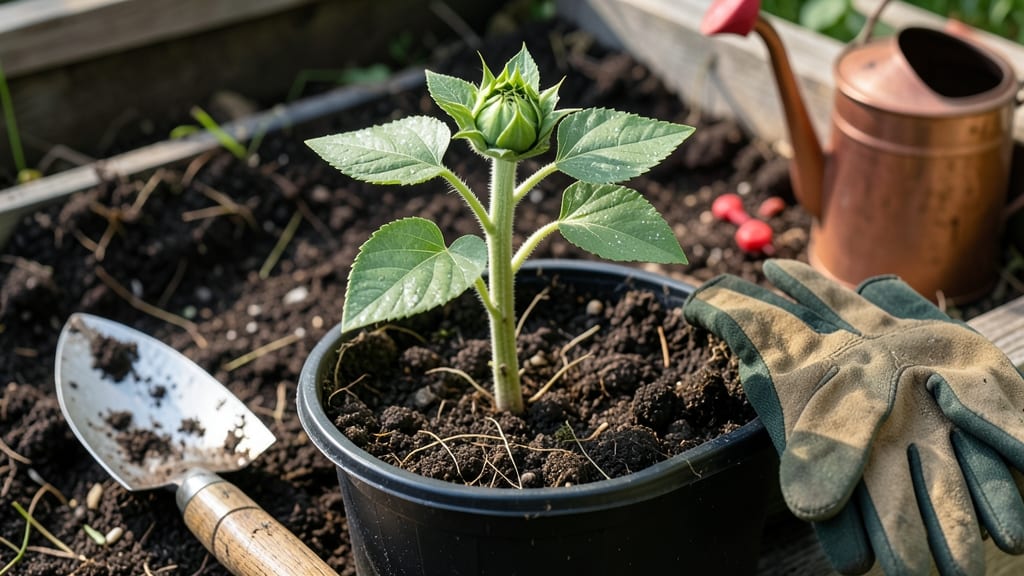
Plant sunflowers in Maine between mid-May and early July to catch the sweet spot between frost risk and peak summer blooms.
Maine’s short growing season can make or break your sunflower harvest—plant too early and face frost damage, too late and miss peak blooms. Timing is everything for these towering beauties 🌻.
Most gardeners in USDA zones 5a-6b aim for after the last frost, typically around May 15, when soil temperatures hit at least 50°F. But even that window varies by year, so check local frost data.
Below, I’ll break down the exact frost-free dates for your zone, how to adjust for cool summers, and the one trick that lets you push blooms later without risking frost.
Maine’s ideal sunflower planting timeline by USDA Zone 5-6
Timing your sunflower planting in Maine is all about balancing the last frost date with soil warmth. These fast-growing annuals need 50°F soil temperatures to thrive, but a late frost can devastate young sprouts.
In USDA Zones 5-6, your planting window typically spans from mid-May to early July, but exact dates vary by location.
To pinpoint your perfect planting window, check your local last frost date using resources like the NOAA Climate Data or your county’s extension office calendar.
Most Maine regions experience their last frost between May 10-25, with cooler inland areas (Zone 5) running slightly later than coastal areas (Zone 6).
Here’s your Maine sunflower planting timeline broken down by key milestones:
| Stage | Action | Zone 5 (Cooler) | Zone 6 (Warmer) |
|---|---|---|---|
| Soil Prep | Test soil temp & amend | Wait for 50°F+ (late May) | Ready by mid-May |
| Direct Sowing | Plant seeds 1" deep | May 20-31 | May 10-20 |
| Transplant | Move seedlings outdoors | June 1-15 | May 25-June 5 |
| Succession Plant | Sow every 2 weeks | Up to June 20 | Up to July 1 |
| Harvest Ready | Flowers bloom 60-100 days | Late July-October | Early July-October |
🌱 Note: Adjust dates 1-2 weeks earlier for coastal areas, later for high elevations
For direct sowing, wait until the soil temperature consistently stays above 50°F—use a soil thermometer to check in the morning. In Zone 5, this often means waiting until late May, while Zone 6 gardeners can start as early as mid-May.
Plant seeds 1 inch deep and 12-24 inches apart, depending on your variety.
If you prefer transplanting seedlings, start them indoors 4-6 weeks before your last frost date. Harden them off for 7-10 days before transplanting after the last frost. Use row covers if nighttime temps dip below 55°F to protect young plants.
Maine’s short growing season means you’ll want to maximize your sunflower harvest by practicing succession planting. Sow a new batch every 2 weeks from mid-May through early July.
This staggered approach ensures continuous blooms from late July through October, even if early plantings get hit by a late frost.
Pro tip: Use black plastic mulch to warm the soil faster in cooler Zone 5 areas. This can shave 1-2 weeks off your planting timeline by raising soil temperatures by 5-10°F. Just remove it once flowers appear to prevent overheating.
For late-season varieties, consider dwarf sunflowers like 'Teddy Bear' or 'Moulin Rouge'—they mature faster (50-60 days) and can handle slightly cooler soils. Standard varieties like 'Russian Giant' need 90-100 days and should be planted by mid-June in Zone 5 to avoid frost.
Always monitor your local weather forecasts in late May—Maine’s late frosts can occur as late as June 1 in some years. If frost is predicted, cover young plants with frost blankets or move potted sunflowers to a sheltered spot until the threat passes.
With these precise timing strategies, you’ll enjoy vibrant sunflowers from July through October, turning your Maine garden into a cheerful golden landscape. Happy planting! 🌻
5 Critical factors that affect sunflower planting success in Maine
Maine’s cool climate and variable frost dates demand precision when planting sunflowers. Unlike warmer regions, timing isn’t just about avoiding frost—it’s about matching your sunflower variety to Maine’s short growing season and day length shifts.
Giant varieties need extra warmth, while dwarf types can handle cooler starts. Let’s break down the 5 critical factors that separate thriving sunflowers from frost-bitten failures.
First, soil temperature is non-negotiable. Sunflower seeds won’t germinate below 50°F (10°C), and Maine’s soil often lingers in the 40s°F well into May. Waiting for consistent 55°F+ (13°C+) soil temps—usually mid-to-late May—gives seeds the best shot at sprouting before summer’s humidity spikes.
I’ve seen early plantings in April fail spectacularly when a late frost hits, leaving only stunted stems.
- 1. Soil Warmth: Wait until soil reaches 55°F+ (13°C+)—typically mid-May in Maine. Use a soil thermometer to avoid guessing. Cold soil delays germination by 2+ weeks.
- 2. Day Length: Maine’s longer daylight hours (15+ hours in June) speed growth, but shorter days in May slow early plantings. Start dwarf varieties in late April if soil is workable; giants need full June starts.
- 3. Humidity Levels: Maine’s high summer humidity (70%+) increases powdery mildew risk. Space plants 18-24 inches apart and water at soil level to prevent fungal issues. Dwarf varieties handle humidity better than giants.
- 4. Variety Selection: Dwarf varieties (e.g., 'Teddy Bear') tolerate cooler starts and shorter seasons. Giant varieties (e.g., 'Mammoth') need 90+ days to mature—plant them by early July for fall harvests.
- 5. Frost Risk: First frost in Maine averages October 1, but early frosts can hit by September 15. Use row covers to extend harvests for late-planted dwarf varieties by 2-3 weeks.
Choosing the right sunflower variety is your secret weapon against Maine’s short season. Dwarf varieties like 'Little Becka' mature in just 50 days, making them perfect for late starts in June.
Meanwhile, giants like 'Russian Giant' need 120+ days—plant them by June 15 at the latest for any chance at seed production. I’ve grown both side by side in my Portland garden, and the difference in height and harvest timing is night and day.
Don’t overlook humidity’s sneaky role. Maine’s summers are damp, creating the perfect storm for powdery mildew on sunflower leaves. The solution? Improve airflow by spacing plants properly and watering deeply at the base (never overhead).
I’ve lost entire giant sunflower batches to mildew when humidity hit 80%—always monitor forecasts and adjust care accordingly.
For early starts, consider container gardening. Pots warm up faster than soil and let you move plants indoors if frost threatens. Start dwarf varieties in containers by late April, then transplant after the last frost.
This trick adds 2-3 weeks to your growing window without risking frost damage. I’ve used this method to get July blooms from April starts—just be ready to harden off seedlings properly.
Finally, track your local frost dates like a hawk. While Maine’s average last frost is May 15, coastal areas like Bar Harbor can be frost-free by May 1, while inland Presque Isle may not see frost-free soil until May 25.
Use the NOAA frost calculator or your local cooperative extension office for precise data. Adjust your planting window by 1-2 weeks based on your specific microclimate.