
Companion Plants
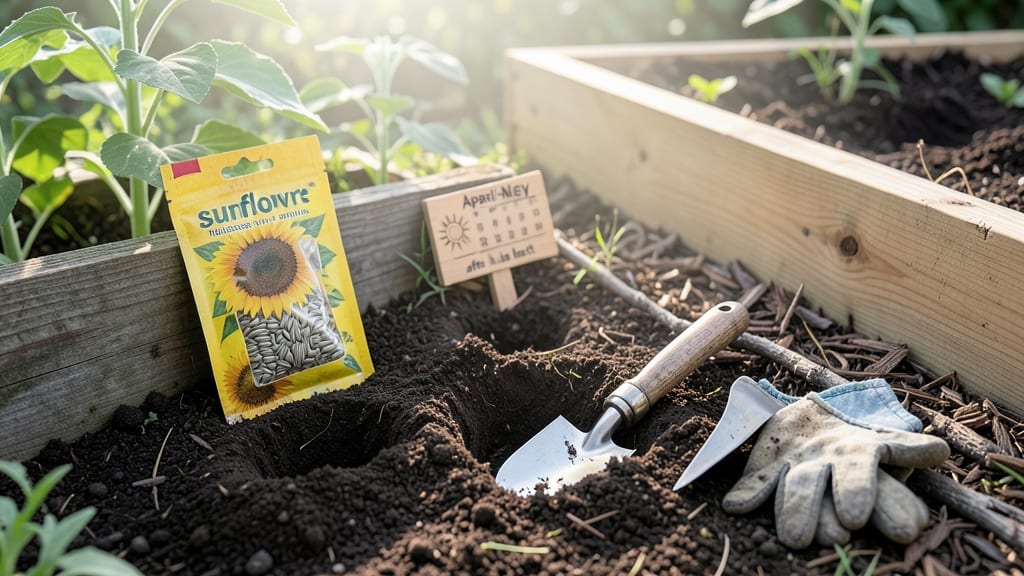
Planting sunflower seeds in Indiana after the last frost—around mid-April—sets you up for towering blooms and a longer harvest window before fall’s chill.
Sunflowers bring bold color and joy to Indiana gardens—but planting them at the wrong time means stunted growth or no blooms at all. Timing is everything, especially with Indiana’s unpredictable spring weather.
In zones 5b-6b, waiting until soil warms to at least 55°F ensures strong germination, while rushing too early risks frost damage. The key is balancing patience with Indiana’s short growing season.
Below, I’ll break down the exact windows for dwarf, mid-height, and giant varieties, plus pro tips to stretch your sunflower season—so you can enjoy those golden faces from August through October.
Indiana’s frost-free dates & ideal sunflower planting windows
Indiana’s USDA zones 5b-6b mean spring arrives gradually, with last frost dates varying by region. Southern Indiana typically sees its final frost around April 15, while northern areas like Gary or Fort Wayne may wait until May 1.
Sunflowers thrive when planted 2-3 weeks after these dates, giving soil time to warm to 55°F+—their ideal germination temperature.
For rural areas, frost-free windows often open earlier due to warmer microclimates and less urban heat retention. In cities like Indianapolis or Evansville, concrete and buildings can delay warming, pushing optimal planting to mid-May. Always verify your local Almanac frost dates—Indiana’s weather is famously unpredictable!
Sunflowers are fast growers (50-120 days to maturity), so timing matters. Plant too early, and cold snaps stunt growth. Too late, and giant varieties won’t mature before frost. Aim for mid-April to mid-June in most of Indiana, with late May as a safety net for northern zones.
Here’s your Indiana sunflower planting guide, broken down by region and microclimate:
| Region | Avg. Last Frost | Ideal Planting Window | Soil Temp. Goal | Microclimate Notes |
|---|---|---|---|---|
| Southern Indiana (Evansville, Louisville) | April 10–15 | April 25–May 10 | 55°F+ | Warmer soils; plant earlier for giant varieties. |
| Central Indiana (Indianapolis, Bloomington) | April 20–May 1 | May 1–15 | 55°F+ | Urban areas: wait 3–5 days longer for soil warmth. |
| Northern Indiana (Gary, Fort Wayne) | May 1–10 | May 15–30 | 55°F+ | Cooler soils; prioritize dwarf varieties for shorter seasons. |
| Rural Areas (Anywhere) | 1–2 weeks earlier | Adjust window 7–14 days earlier | 55°F+ | Less heat retention; soil warms faster. |
Sunflowers germinate best in well-drained soil at 55–85°F. Use a soil thermometer to confirm warmth—cold soil delays sprouting by weeks. If your area has late frosts, opt for dwarf varieties (e.g., ‘Teddy Bear’) that mature faster (50–60 days) than giants like ‘Mammoth’ (120+ days).
For urban gardeners, pavement and buildings create "heat islands," keeping soil cooler. Plant near south-facing fences or use black plastic mulch to warm soil faster. Rural gardeners can push planting to early April in protected spots, but monitor forecasts—late frosts can kill young seedlings.
Succession planting is key in Indiana’s short season. Sow new seeds every 2 weeks from May through early July to enjoy blooms until frost. Giant varieties need 120+ frost-free days, so plant them by June 1 in southern Indiana or skip them in the north.
Dwarf varieties are more forgiving and can even handle late July plantings for fall color.
Pro tip: Direct-sow seeds—sunflowers hate transplanting. Drop seeds 1 inch deep, 6–12 inches apart (closer for dwarfs), and thin seedlings to avoid competition. Water deeply at planting to encourage strong root growth, then reduce frequency as plants establish. Mulch with straw to retain moisture and suppress weeds.
Indiana’s first frost typically arrives October 15, but giant sunflowers may need protection. Harvest seeds before hard frosts by cutting heads and hanging them in a dry, dark place. Save seeds for next year or use them in bird feeders—just don’t let them freeze on the stalk!
Best sunflower varieties for Indiana & their planting timelines
Indiana’s hot summers and short growing season mean choosing the right sunflower variety—and planting it at the perfect time—is key to vibrant blooms. Dwarf varieties like ‘Teddy Bear’ thrive with early spring planting, while giant ‘Mammoth’ sunflowers need a longer season and late spring starts.
Let’s match your garden space and goals to the best timing for each type.
Indiana’s USDA zones 5b-6b give us about 165 frost-free days, which limits giant varieties to southern regions. Northern Indiana gardeners should focus on dwarf or mid-height varieties with faster maturity.
For example, ‘Autumn Beauty’ blooms in just 80 days, while ‘Russian Giant’ needs 120 days—cutting it close for northern plantings.
🌱 Planting timing depends on variety height and your last frost date. Southern Indiana (zones 6a-6b) can push giant varieties with late May starts, while northern Indiana (zones 5a-5b) should plant all varieties by mid-May. Here’s how to match your sunflower to Indiana’s climate:
| Variety | Height | Best Planting Window | Days to Maturity | Indiana Suitability |
|---|---|---|---|---|
| ‘Teddy Bear’ (Dwarf) | 1-3 ft | Early April–May 15 | 50-60 days | All regions |
| ‘Autumn Beauty’ (Mid-Height) | 3-5 ft | Mid-April–June 1 | 80-90 days | All regions |
| ‘Mammoth’ (Giant) | 10-14 ft | Late May–early June | 100-120 days | Southern Indiana only |
| ‘Russian Giant’ (Giant) | 12-16 ft | Late May–June 1 | 110-120 days | Southern Indiana only |
For northern Indiana gardens, I recommend starting with ‘Teddy Bear’ or ‘Autumn Beauty’—their shorter maturity times ensure blooms before frost. These varieties also handle Indiana’s humidity and heat better than giants, which wilt faster in summer’s peak temperatures.
Plant ‘Teddy Bear’ as early as April 1 for container gardens or May 1 for in-ground planting.
If you’re in southern Indiana, giant varieties like ‘Mammoth’ reward patience with 12-foot-tall stalks. Sow seeds after Memorial Day (late May) to avoid early summer heat stress. Remember: giant sunflowers need 1 inch of water weekly once established—Indiana’s summer drought can stunt growth if neglected.
Pro tip: Use black plastic mulch to warm soil faster in early spring plantings. This gives ‘Autumn Beauty’ a head start and extends the growing season for giants by 1-2 weeks.
Pair your sunflowers with borage or nasturtiums to deter pests like sunflower moths, which thrive in Indiana’s warm summers.