
Flowers
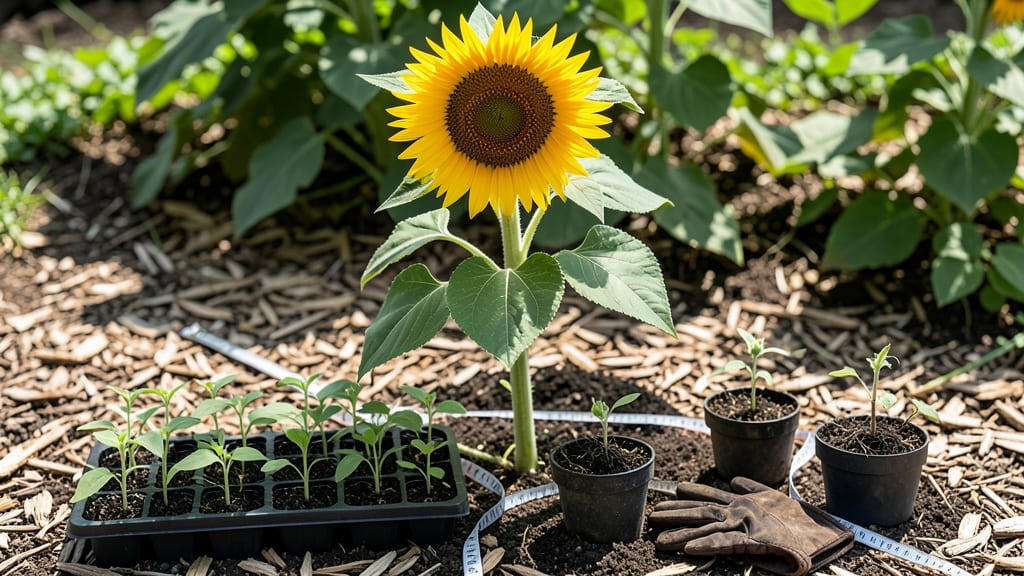
Planting sunflowers in Georgia after the last frost — typically mid-March — ensures towering blooms before summer’s heat peaks.
Miss that window, and you risk wilted seedlings or sunflowers 🌻 that bolt too fast, leaving you with sad, stunted stems. Georgia’s warm climate gives you two chances: spring or fall, but timing is everything.
North Georgia’s cooler 7a-8a zones need a slightly later start than South Georgia’s 8b-9a, where heat arrives earlier. I’ll break down the exact months for each zone so you can avoid the most common mistakes.
You’ll learn how to read your soil’s readiness, adjust for microclimates, and even squeeze in a second planting for fall blooms — without the guesswork.
Best planting months for sunflowers in Georgia by USDA Zone (7a-8b)
Georgia’s USDA Zones 7a-8b offer perfect conditions for growing sunflowers, but timing matters more than you might think. In Zone 7a (north Georgia), cooler springs mean you’ll need to wait longer after frost, while Zone 8b (south Georgia) allows earlier planting.
The key is understanding your last frost date—typically mid-March in 7a and late February in 8b—and soil temperatures above 55°F for germination.
Sunflowers thrive when planted in early spring (March-April) or late summer (August-September) for fall blooms.
Spring plantings give you towering 10-14 ft giants by summer, while fall plantings produce smaller but equally stunning blooms before winter. Dwarf varieties (2-4 ft) can handle cooler temperatures better, making them ideal for Zone 7a gardeners with shorter growing seasons.
| USDA Zone | Best Planting Window | Soil Temp Threshold | Frost Risk | Ideal Variety |
|---|---|---|---|---|
| 7a | March 20 - April 15 | 55°F+ | High (last frost: March 15) | Dwarf (e.g., 'Teddy Bear') |
| 7b | March 1 - April 10 | 55°F+ | Moderate (last frost: March 1) | Semi-Dwarf (e.g., 'Moulin Rouge') |
| 8a | February 15 - March 30 | 50°F+ | Low (last frost: Feb 1) | Standard (e.g., 'Russian Giant') |
| 8b | February 1 - March 20 | 50°F+ | Minimal (last frost: Jan 31) | Oilseed (e.g., 'Sunflower Hysun 33') |
| Fall Planting (All Zones) | August 15 - September 15 | 60°F+ | None (harvest before frost) | Any (fast-maturing types preferred) |
For Zone 7a gardeners, wait until after March 15 to plant—earlier sowings risk frost damage.
In Zone 8b, you can start as early as late January if using row covers, but aim for February 1 for reliable germination. Soil temperature is your best indicator: use a soil thermometer to confirm it’s 55°F or warmer before planting.
Heat tolerance varies by variety. Giant sunflowers like 'Russian Giant' need full sun (6+ hours) and struggle in Zone 7a’s shorter summers.
Instead, opt for heat-tolerant varieties like 'Autumn Beauty' or 'ProCut' in hotter zones. Oilseed sunflowers (e.g., 'Hysun 33') thrive in Zone 8b’s longer growing season and can even be direct-sown in late January with protection.
Fall plantings in August-September work beautifully across all zones. These sunflow
How to adjust planting time for Georgia’s microclimates and sunflower varieties
Georgia’s diverse microclimates can shift sunflower planting windows by weeks—sometimes even months—depending on whether you’re in Zone 7a’s cooler hills or Zone 8b’s steamy lowlands. Urban gardeners face extra challenges like heat islands that bake soil faster, while rural areas may contend with wind exposure that stunts growth.
The key? Matching your sunflower variety to both your local climate and your garden’s specific conditions.
For late bloomers like 'Autumn Beauty' or 'Moulin Rouge,' extending the season means planting in late summer (August) instead of spring. These varieties thrive in cooler fall temperatures and can produce stunning blooms when spring-planted sunflowers would already be fading.
Meanwhile, heat-tolerant varieties like 'ProCut Hybrid' or 'Russian Giant' handle Zone 8b’s intensity better, letting you push planting into early May without stress.
- Urban Heat Islands: Plant 4-6 weeks earlier (late February) to escape pavement heat that raises soil temps by 10°F+. Use dwarf varieties (e.g., 'Teddy Bear') near buildings.
- Rural Wind Zones: Delay planting by 2-3 weeks (mid-April) and stake tall varieties (e.g., 'Russian Giant') to prevent lodging from afternoon breezes.
- Zone 7a (North GA): Stick to March-April planting; fall planting risks early frost before maturity. Choose early-maturing varieties like 'Mammoth' (50-60 days).
- Zone 8b (South GA): Push spring planting to April-May and opt for heat-tolerant types like 'ProCut Hybrid' (70-80 days). Fall planting works until mid-September.
- Succession Planting: For continuous blooms, stagger plantings every 2 weeks from March to August. Use short-day varieties (e.g., 'Autumn Beauty') for fall.
Wind exposure is a silent saboteur in Georgia’s open fields and coastal plains. If your garden gets consistent afternoon winds, delay planting by 2-3 weeks to let seedlings establish deeper roots before gusts hit.
For tall varieties like 'Mammoth,' use bamboo stakes or trellis supports—especially in Zone 8b’s windier areas near the coast. Even dwarf sunflowers benefit from light staking in exposed spots.
Urban gardeners face a different challenge: heat islands created by asphalt and concrete can raise soil temperatures by 10°F or more, tricking sunflowers into germinating too early.
To counteract this, plant 4-6 weeks earlier (late February) and choose shorter varieties like 'Teddy Bear' or 'Sunspot' that handle compacted urban soil better. Mulch heavily with straw or wood chips to regulate temperature and retain moisture.
For fall blooms, focus on late summer planting (August) in Zone 7a and September in Zone 8b. This timing ensures flowers mature before first frost (typically mid-November).
Opt for short-day varieties like 'Autumn Beauty' or 'Italian White,' which respond to shorter daylight hours and bloom vigorously in cooler weather. In Zone 8b, you can even squeeze in a second fall planting in early October for winter interest.
Pro tip: Monitor your local soil temperature—sunflower seeds need 50°F+ to germinate. Use a soil thermometer to time plantings precisely. In Zone 7a, wait until soil hits 55°F; in Zone 8b, 60°F+ is ideal to avoid heat stress in young seedlings.
Adjust your schedule based on weekly weather forecasts, especially if a cold snap is predicted.