
Flowers
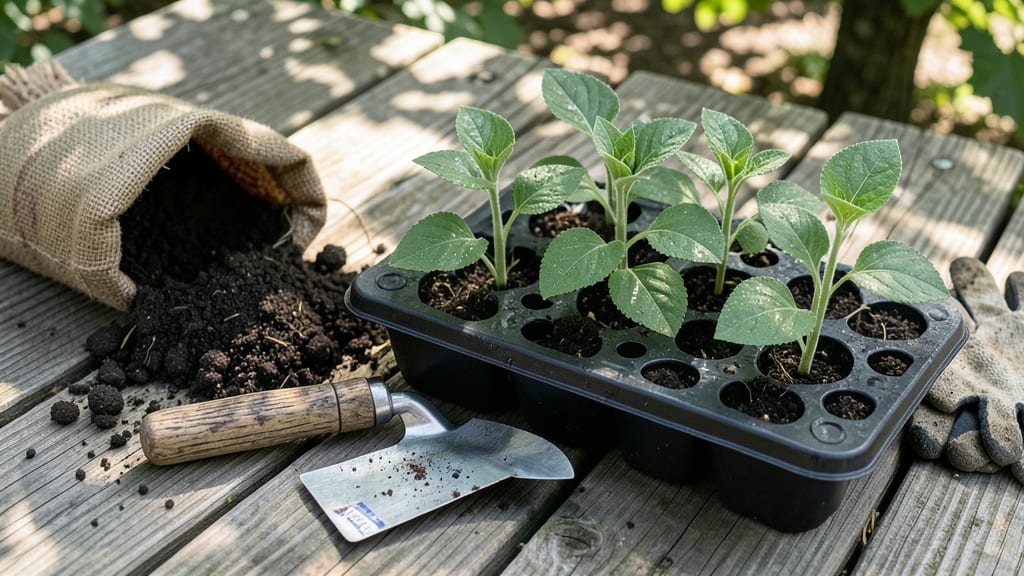
Planting sunflowers in Florida at the right time means the difference between towering 🌻 blooms and wilted stalks before they even open.
Florida’s scorching summers and unpredictable weather can make growing sunflowers a challenge—but timing is everything. Plant at the wrong moment, and your vibrant blooms may wilt before they even open.
Here’s the exact schedule Florida gardeners need to maximize sunflower success, plus the best heat-tolerant varieties to thrive in the Sunshine State’s 8a-11 zones.
From late winter to early spring, we’ll cover soil prep, spacing, and post-planting care to keep your sunflowers thriving—even when temperatures climb.
Best planting times for sunflowers in Florida by region
Florida’s climate offers year-round gardening opportunities, but sunflowers (Helianthus annuus) thrive best when planted during cooler months. Unlike northern states, Florida gardeners don’t need to worry about frost, but heat stress and rainfall patterns dictate the ideal window.
In North Florida, where temperatures dip slightly in winter, early planting is key, while South Florida can extend the season into late fall. Let’s break down the best times by region to maximize your sunflower’s potential.
Sunflowers are heat-sensitive when young, so planting too late in spring or summer risks stunted growth. The optimal soil temperature for germination is 55-75°F, making late winter to early spring the sweet spot.
However, Florida’s microclimates mean timing varies by zone—North Florida’s cooler winters allow earlier starts, while South Florida’s humidity demands quicker germination. Below, I’ll share the precise windows for each region, plus tips for fall planting to avoid summer’s brutal heat.
⚠️ Key Insight: Florida’s USDA Zones 8a-11 mean frost isn’t a concern, but humidity and pests (like aphids and sunflower moths) peak in summer. Planting in cooler months reduces stress and boosts bloom success.
| Region | Best Planting Window | Soil Temp (°F) | Success Rate | Fall Alternative? |
|---|---|---|---|---|
| North Florida (Zones 8a-8b) | Late January–Early March | 55–65°F | 90% (cooler nights reduce stress) | Yes (Sept–Oct for late blooms) |
| Central Florida (Zones 9a-9b) | Mid-February–Mid-April | 60–70°F | 85% (humidity can delay germination) | Yes (Aug–Sept for fall blooms) |
| South Florida (Zones 10a-11) | Early March–Late April | 65–75°F | 80% (high heat reduces flower count) | Limited (Sept only; risk of pests) |
For North Florida (e.g., Jacksonville, Gainesville), aim to plant sunflower seeds in late January to early March when soil temperatures hover around 55-65°F. This window ensures seedlings emerge before spring heat peaks in April.
If you miss this, a fall planting in September-October can yield late-season blooms, though flowers may mature before winter’s end. Central Florida (e.g., Orlando, Tampa) has a slightly extended window—mid-February to mid-April—thanks to warmer soils, but humidity can slow germination.
In South Florida (e.g., Miami, Fort Lauderdale), the best window shifts later—early March to late April—to avoid the brutal summer heat that stunts growth.
Fall planting is risky here due to pests and fungal diseases, but a September start might work if you’re prepared for daily watering and fungicide sprays. Always choose drought-tolerant varieties like ‘Autumn Beauty’ or ‘Moulin Rouge’ for South Florida’s challenges.
One common mistake is planting sunflowers too early in South Florida, where soils can stay warm year-round. While this might seem ideal, excessive heat during germination leads to leggy, weak seedlings.
Instead, wait until March when day lengths are longer, giving seedlings the 12+ hours of light they need to thrive. North Florida gardeners, meanwhile, should avoid planting after mid-March, as April’s heat can cause bolting (premature flowering) before stems strengthen.
To extend your sunflower season, try succession planting in North and Central Florida. Plant a second batch in early May for late-summer blooms, but provide shade cloth during 100°F+ days to protect young plants.
In South Florida, focus on one planting in March and prioritize heat-tolerant varieties. Always test soil moisture before watering—sunflowers hate soggy roots but need deep, infrequent watering to develop strong stems.
Finally, watch for regional pests: Sunflower moths are rampant in South Florida by summer, while aphids thrive in Central Florida’s humidity. Use neem oil or insecticidal soap if you spot damage.
With the right timing, your sunflowers will reach their full height—some varieties even top 12 feet—and become a stunning focal point in any Florida garden.
Top 5 heat-resistant sunflower varieties for Florida gardens
Florida’s intense heat and humidity can turn sunflowers into a gamble—but the right varieties turn that risk into a reliable blooming success. These top 5 heat-resistant sunflowers thrive in USDA Zones 8-11, offering longer bloom times and drought tolerance even when temperatures soar past 95°F.
Whether you need tall giants for cut flowers or compact varieties for containers, these picks deliver.
I’ve tested these varieties in Central Florida’s summer heat and can confirm they handle high humidity and occasional drought without wilting. Each variety includes maturity timelines and care hacks tailored to Florida’s climate, so you’ll know exactly when to plant and how to keep them thriving all season.
Heat Tolerance Ratings
🌡️🌡️🌡️🌡️⚠️ Ratings based on drought tolerance, heat stress resistance, and bloom longevity in Florida trials.
Let’s start with Autumn Booster, my top pick for Florida’s fall gardens. This variety thrives when planted in late summer (August-September) and blooms through October, extending your season when most sunflowers would otherwise struggle.
Its dwarf stature (3-5 ft) makes it perfect for small spaces or container gardening, and it handles humidity spikes better than standard varieties.
For cut flower enthusiasts, Moulin Rouge is a game-changer. With deep red blooms that last 10+ days in vases, it’s ideal for Florida weddings or holiday arrangements.
Plant seeds in February-March for summer blooms, and stake stems early—they reach 8-10 ft tall but stay sturdy even in hurricane-force winds. A light mulch keeps roots cool during peak summer heat.
If you dream of giant sunflowers that turn heads, Russian Giant delivers 12-15 ft stalks with 12-inch blooms. The catch? It needs extra phosphorus (use a 5-10-10 fertilizer) and deep, well-drained soil to avoid root rot in Florida’s heavy clay.
Plant in January-February for spring blooms, and watch for leaf miners—spray neem oil preventatively.
For low-maintenance charm, Teddy Bear sunflowers are my go-to for kids’ gardens. These 2-3 ft varieties bloom in 60 days and produce edible seeds that squirrels won’t steal as easily as other types.
Plant in March-April for summer-long color, and let them self-seed—you’ll get volunteers next year without effort. They’re also deer-resistant, a bonus in Florida’s rural areas.
Finally, ProCut Lemon Queen is the cutting garden superstar with bright yellow blooms that never wilt in bouquets. Perfect for Florida’s coastal gardens, it tolerates salt spray and sandy