
Flowers
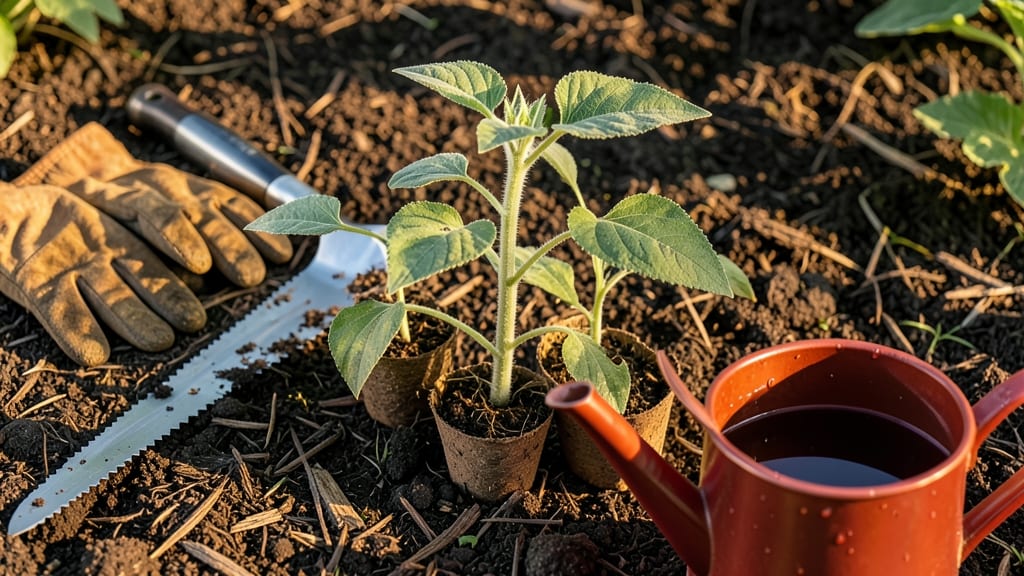
Planting sunflowers in Central Florida at the right time means towering 10-foot blooms by summer 🌻 — but miss the window, and you’ll end up with stunted plants or no flowers at all.
Here’s the deal: frost is rare, but heat and humidity can still mess with your timing. If you plant too early, your sunflowers might bolt in the sweltering Florida sun. Too late, and they’ll struggle to mature before the first chill of fall.
For the best results, aim for March to April for spring blooms or August to September for a fall harvest. These months balance soil warmth, rainfall, and daylight—giving your sunflowers the perfect head start.
Below, I’ll break down the exact frost-free window, how to prep your soil, and even which sunflower varieties handle Florida’s heat like champs. Ready to grow sunflowers that put on a show?
Best planting months for sunflowers in Central Florida’s climate zones
Central Florida’s USDA zones 8b–9a offer a unique advantage for sunflower lovers: longer growing seasons with minimal frost risk. But even here, timing matters. Plant too early, and you’ll waste precious growing days; too late, and your giant varieties like ‘Mammoth’ may struggle to mature before summer’s brutal heat.
The sweet spot? February–April for spring and August–September for fall plantings.
Sunflowers thrive when soil temperatures stay above 50°F (10°C), but Central Florida’s humidity and occasional light frosts (yes, they happen!) demand careful planning.
For example, a ‘Russian Giant’ planted in late April might bolt too quickly in June’s heat, while an August planting gives roots time to establish before winter’s chill. Let’s break down the best windows and how to maximize your towering blooms.
⚠️ Comparison Table: Central Florida Sunflower Planting Windows
🌻For spring plantings, aim to sow seeds 6–8 weeks before your last frost date (typically mid-January in Central Florida). Use a soil thermometer to confirm temperatures are stable above 50°F (10°C).
Giant varieties like ‘Mammoth’ need 100+ days to reach maturity, so don’t wait until May—you’ll miss the boat. Instead, opt for staggered plantings in February and March to spread out your harvest.
Fall is your second chance for sunflowers, but act fast. Plant in late August or early September to ensure blooms appear before December’s first frost (yes, it happens!). Choose heat-tolerant varieties like ‘ProCut’ or ‘Autumn Beauty’, which handle Central Florida’s humidity better than delicate hybrids.
Mulch heavily with straw or pine needles to insulate roots as temperatures drop.
Pro tip: If you’re growing ‘Russian Giant’ sunflowers, give them a head start indoors under grow lights 4–6 weeks before your target outdoor date. These monsters need 12–16 feet of space and can’t tolerate transplant shock.
Harden them off for 7–10 days before moving to the garden to avoid stunted growth.
Watch for soil moisture stress during Central Florida’s dry spells. While sunflowers are drought-tolerant once established, their taproots need deep, consistent watering—especially in sandy soils common to the region.
Water at the base of the plant in the morning to prevent fungal diseases like powdery mildew, which thrives in our humid climate.
Don’t overlook pest pressure during peak growing months. Sunflower beetles and aphids love Central Florida’s warm weather. Apply neem oil or introduce ladybugs as a natural defense. For giant varieties, use stakes or cages early—these top-heavy plants can snap in summer storms or heavy rains.
For a second harvest, try a fall succession planting in early September. Choose
How to extend your sunflower growing season without frost damage
Central Florida’s mild winters might trick you into thinking frost isn’t a concern for sunflowers—but rare late frosts can still damage tender seedlings and buds. The key to pushing your sunflowers into late fall blooms?
A mix of cold-hardy varieties, protective tactics, and smart timing. With these strategies, you can enjoy sunflowers well into November or December in sheltered spots.
Even in USDA Zone 9b, temperatures can dip below 32°F during unexpected cold snaps. The good news? Sunflowers are surprisingly resilient with the right approach. Start by choosing varieties bred for cooler weather, like ‘Autumn Beauty’ or ‘Teddy Bear’, which tolerate light frosts better than giant types.
Combine this with row covers or raised beds to create microclimates that shield plants from chilly air.
🌱 Numbered Highlights for Frost-Proof Sunflowers
- 1. Choose cold-tolerant varieties: Opt for ‘Autumn Beauty’ (tolerates 28°F) or ‘Russian Giant’ (hardier than standard types). Avoid ‘Mammoth’ for late-season plantings.
- 2. Use row covers for protection: Lightweight floating row covers raise temperatures by 5-8°F—remove during the day for pollination.
- 3. Plant in raised beds: Soil in raised beds stays 5-10°F warmer than ground soil, delaying frost damage by 2-3 weeks.
- 4. Stagger your planting: Sow seeds every 2 weeks from August through September for a continuous harvest window.
- 5. Mulch heavily: Apply 4-6 inches of straw mulch to insulate roots—critical for fall-planted sunflowers.
- 6. Select sheltered spots: Plant near south-facing walls or under overhead tree canopies to trap heat.
- 7. Water deeply before frost: Moist soil retains heat better—water 1-2 gallons per plant the day before a predicted frost.
For fall planting, aim to sow seeds by mid-August to give sunflowers time to mature before winter. If you’re pushing for December blooms, start with direct-sown seeds in raised beds and cover them with clear plastic domes during cold snaps.
This creates a mini greenhouse effect that can extend your growing window by 4-6 weeks.
Don’t overlook the power of staggered planting. By sowing seeds in 2-week intervals from August through September, you’ll have sunflowers blooming at different times, ensuring a steady supply of cut flowers or seed heads.
Pair this with ‘Autumn Beauty’, which thrives in cooler weather and produces deep red and yellow blooms that stand out against fall foliage.
Pro tip: Monitor your local frost forecast and have row covers ready. If a 30°F night is predicted, drape covers over plants by 4 PM and remove them by 10 AM to allow sunlight for photosynthesis. This balance keeps your sunflowers protected but healthy.
With these tactics, you’ll transform your garden into a sunflower oasis that lasts well into winter—proof that even Florida’s mild climate has its frost risks! 🌻