
Planting
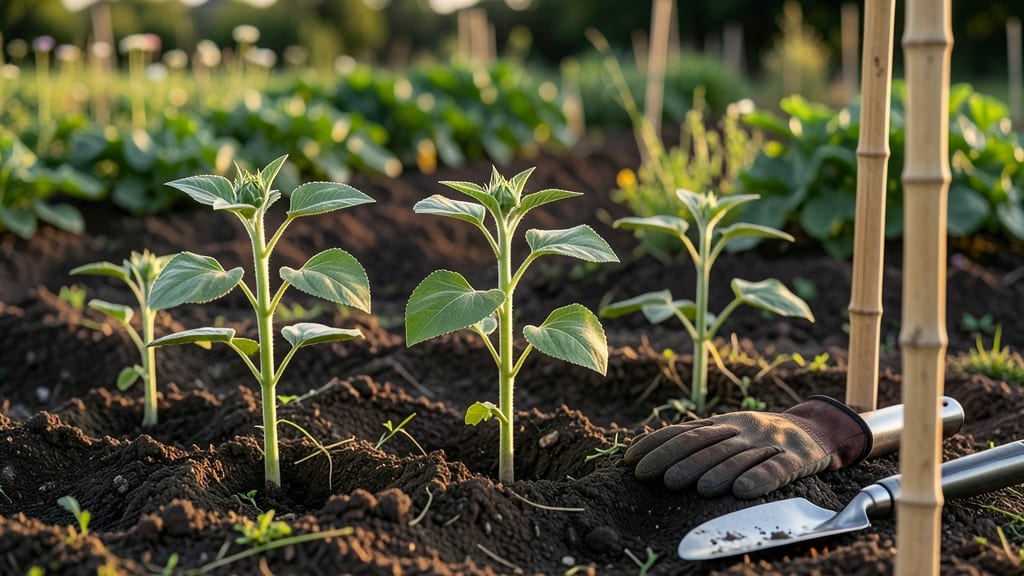
Planting sunflowers at the right time during the sunflower planting season ensures towering stems and vibrant blooms, not just scraggly stalks with tiny flowers.
Did you know sunflowers planted at the wrong time can grow weak stems and tiny blooms—even in perfect soil? Timing is everything for those golden giants, and your hardiness zone determines when to plant for maximum height and beauty.
In Zone 6a, like many temperate regions, the ideal window is April to May, after the last frost—typically around April 15—to give them 165 frost-free days to mature.
Below, I’ll break down the best months for your zone, soil prep secrets, and whether to start with seeds or seedlings for bigger blooms and stronger stems.
Best sunflower planting season by US hardiness zone (with exact months)
Sunflowers thrive when planted at the right time—too early, and frost weakens their stems; too late, and they bolt too quickly for full growth. Your USDA hardiness zone dictates the perfect window for planting seeds or seedlings, ensuring those 10-foot giants grow strong and bloom bold.
Let’s break down the ideal months for each zone, plus tips for early vs. late summer varieties to maximize your harvest.
In Zones 2-5, where winters are harsh, sunflowers must wait until soil warms to at least 55°F (13°C)—usually late May to early June. Meanwhile, Zones 6-11 enjoy longer growing seasons, allowing earlier plantings in March or April.
The key? Avoid frost—sunflowers can’t handle temperatures below 32°F (0°C), even as seedlings.
Pro Tip: Use row covers or cold frames in early zones to extend your season. For late summer blooms, try succession planting every 2 weeks after your first batch sprouts. Now, let’s dive into the zone-by-zone breakdown to pinpoint your perfect planting window.
| Zone | Ideal Planting Month | Last Frost Date | Best Varieties | Notes |
|---|---|---|---|---|
| 2-3 | Late May - Early June | May 15 - June 1 | 'Autumn Beauty', 'Moulin Rouge' | Use row covers for early starts |
| 4-5 | Mid-May - Early June | May 1 - May 15 | 'Russian Giant', 'Teddy Bear' | Wait for soil to warm |
| 6-7 | April - Mid-May | April 15 - May 1 | 'ProCut', 'Sunspot' | Perfect for succession planting |
| 8-9 | March - Early April | March 1 - March 15 | 'Italian White', 'Mammoth' | Try late summer varieties |
| 10-11 | January - February | No frost risk | 'Sunflower 'Lemon Queen', 'Dwarf Teddy Bear' | Plant year-round for blooms |
In Zones 2-3, where frost lingers late, aim for late May to early June—this gives your sunflowers 90-100 frost-free days to mature. Varieties like 'Autumn Beauty' thrive here, offering deep red blooms that last into fall.
For Zones 4-5, mid-May to early June works best, but monitor soil temperatures—below 50°F (10°C) slows germination.
Warmer zones like 6-7 can start as early as April, but I recommend waiting until mid-April to avoid unexpected late frosts. 'Russian Giant' varieties here can reach 12 feet tall if given space and full sun.
For Zones 8-9, March plantings are ideal, but late summer varieties like 'Italian White' can be sown in July for fall blooms.
If you’re in Zones 10-11, you’re in luck—sunflowers can be planted year-round! Start in January or February for early blooms, or try succession planting every 4 weeks for continuous color. Dwarf varieties like 'Teddy Bear' work well in containers, perfect for patios or small gardens.
For late summer varieties, plant in July (Zones 6-11) to enjoy blooms in September or October. These short-day varieties need 10+ hours of daylight to trigger flowering, so they’re ideal for cooler climates. Just ensure they get 6-8 hours of sun daily—no compromise here!
How to extend your sunflower season: 3 pro tips for earlier or later blooms
Love those sunflower blooms but wish they lasted longer? You can trick Mother Nature with a few clever strategies! Whether you're in a cold climate where frost threatens or a warm zone with scorching summers, these tips will help you enjoy sunflowers from early spring to late fall.
Let's dive into my favorite methods for extending your sunflower season!
Sunflowers thrive on long daylight hours and warm soil, but their natural growing window can feel short. The key is to either start earlier or keep them growing later than their typical 60-120 day maturity window.
With these three pro tips, you can push those golden blooms to last nearly half the year in your garden!
🌱 3 Pro Tips to Extend Your Sunflower Season
- Cold Climates: Use cold frames or row covers to plant 4-6 weeks earlier than your last frost date. This gives sunflowers a head start in warmer soil and protects tender seedlings from late frosts.
- Warm Zones: Try succession planting every 2-3 weeks from spring to early summer. This ensures a continuous supply of blooms as earlier plants finish their cycle. Choose fast-maturing varieties (50-60 days) for best results.
- Indoor Start: Begin seeds 6-8 weeks before your last frost date indoors under grow lights. Transplant hardened-off seedlings outdoors when soil reaches 50°F+ for earlier blooms. For late-season sunflowers, start seeds indoors in late summer and move to a sunny indoor spot or greenhouse.
For cold climates, I've had great success with mini cold frames made from clear plastic domes. These create a microclimate that warms up quickly during the day and retains heat at night.
Place them over newly planted sunflower seeds 2-3 weeks before your average last frost date. The soil inside will warm up faster, giving your sunflowers a jumpstart on growth.
In warm zones, shade can actually help extend your sunflower season. While they love full sun, young seedlings benefit from partial shade during the hottest part of the day. Use lightweight shade cloth (30-50% shade) over seedlings until they reach 6 inches tall.
This prevents transplant shock and allows you to plant later in the season when temperatures climb.
Don't forget about dwarf varieties like 'Teddy Bear' or 'Moulin Rouge' for container gardening. These stay under 3 feet tall and can be moved to protected spots when nighttime temperatures drop. Place them near south-facing walls or under cloche covers to extend their growing season by 3-4 weeks in fall.
With these strategies, you can enjoy sunflowers from late spring through early frost, creating a stunning golden display that lasts nearly half the year! The secret is combining timing, protection, and variety selection to maximize your garden's potential. 🌻