
Blooming
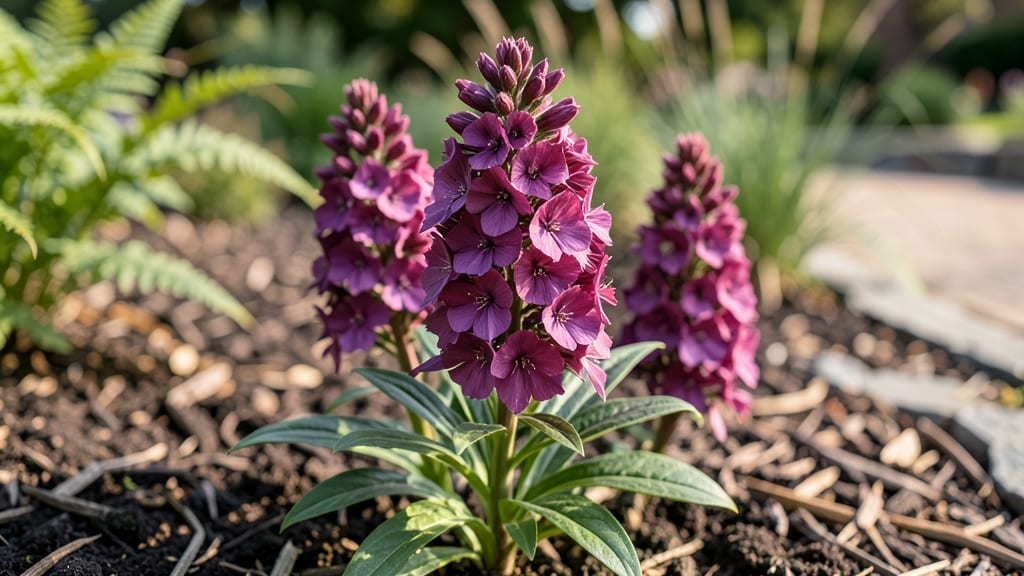
Phlox flowers bloom between June and August, turning gardens into vibrant bursts of color 🌸 that attract pollinators and brighten summer days.
If you’ve ever wondered why your phlox blooms seem to vanish overnight—or why some gardens burst with color while others remain bare—timing is everything.
Phlox, the beloved summer perennial, follows a precise bloom schedule tied to your USDA zone, and knowing these windows can mean the difference between a stunning garden and a missed opportunity.
In Zone 6a, where many gardeners plant phlox in early spring, blooms typically kick off in late June, peaking through July.
But climate, variety, and care can shift this timeline by weeks—soil moisture, sunlight exposure, and even pruning habits all play a role in whether your phlox puts on a show or fades early.
Below, I’ll break down the exact bloom windows by region, share pro tips to extend your phlox’s season, and troubleshoot why yours might be skipping the party entirely.
Phlox bloom timing by USDA zone: month-by-month guide
Phlox is one of summer's most vibrant stars, but its bloom timing varies dramatically depending on your USDA zone.
In colder zones like 3-5, phlox often waits until late June to burst into color, while warmer zones 8-10 may see early blooms as soon as April or May. Understanding these patterns helps you choose the right varieties and plan your garden for maximum impact.
For gardeners in northern climates, early-season varieties like Phlox paniculata 'David' are your best bet—they thrive in cooler temperatures and start flowering as early as late May.
Meanwhile, southern gardeners can enjoy Phlox drummondii varieties that bloom from March through May, often reblooming in fall. Let's break down the exact bloom windows by zone.
🌸 Pro Tip: Most phlox varieties bloom for 4-6 weeks, but with proper care, you can extend this window by 2-3 weeks through deadheading and consistent watering.
In USDA zones 3-4, phlox often waits until after the last frost to bloom, with late June being the typical start. These northern gardens benefit from hardy varieties like Phlox paniculata, which can handle cooler temperatures. Plant these in morning sun to prevent heat stress during peak summer.
Gardeners in zones 5-6 enjoy the longest bloom season, with many varieties starting as early as late May and continuing through August. This is ideal for creating staggered blooms by mixing early, mid, and late-season varieties. For example, 'Blue Moon' blooms in late spring, while 'Lipstick' peaks in midsummer.
Southern gardeners in zones 7-10 often see phlox bloom earlier, sometimes as soon as April, thanks to milder winters. However, heat-sensitive varieties may struggle in zone 10 if summer temperatures exceed 90°F. Providing afternoon shade can extend bloom time significantly in these regions.
For reblooming varieties like Phlox subulata (creeping phlox), southern zones may see a second flush of blooms in fall, especially if planted in partial shade. This makes it perfect for year-round color in warmer climates.
If you live in a transition zone (like zone 6b-7a), your bloom timing may vary year to year. Pay attention to last frost dates and adjust planting times accordingly. For example, if frost lingers past May 15, delay planting until early June to avoid frost damage.
🌿 Climate Adjustment: In humid southern zones, phlox may suffer from powdery mildew if not spaced properly. Increase airflow by planting in groups of 3-5 plants rather than dense clusters.
To maximize your phlox's bloom potential, choose varieties that match your local microclimate. For example, woodland phlox (Phlox divaricata) thrives in shadier, cooler spots and blooms earlier than sun-loving varieties. Pairing these with sun-loving types creates a continuous color show from spring through fall.
Finally, remember that soil health plays a crucial role in bloom timing. Amend your soil with compost or organic matter in early spring to give phlox the nutrients it needs for vigorous growth and extended blooming.
With the right variety and care, your phlox can transform your garden into a summer paradise!
How to extend phlox blooms: pruning and care tips for longer flowers
Phlox may seem like a fleeting summer star, but with the right care, you can turn its blooms into a prolonged garden showstopper. The key lies in strategic pruning, nutrient timing, and watering discipline—all tailored to your phlox's natural flowering cycle.
I’ve learned that even a single missed deadheading session can cut weeks off your blooms, but the right techniques can extend them for 6-8 weeks or longer.
Most gardeners focus only on the initial bloom phase, but phlox responds beautifully to ongoing maintenance. Whether you’re growing garden phlox, creeping phlox, or tall phlox varieties, these proven methods will keep your plants flowering like clockwork.
Let’s dive into the step-by-step secrets that transform phlox from a one-hit wonder into a season-long spectacle.
🌸 5 Critical Steps to Extend Phlox Blooms
- 1 Deadhead daily during peak bloom (June-August) to prevent seed formation and redirect energy to new buds.
- 2 Fertilize lightly every 4-6 weeks with 10-10-10 NPK during active growth (spring to early summer).
- 3 Water deeply in the morning (1 inch per week) to encourage strong root development and drought resistance.
- 4 Prune spent stems to 2-3 inches above ground after the first major bloom wave to stimulate reblooming.
- 5 Mulch heavily (3-4 inches) with organic matter to retain moisture and regulate soil temperature year-round.
One of the biggest mistakes I see is over-fertilizing phlox in late summer, which can lead to weak, leggy growth instead of flowers.
Instead, I recommend a two-phase feeding approach: a heavy dose in spring (when shoots emerge) and a light top-dressing in early summer (right before the first bloom wave). This mimics nature’s nutrient cycle and keeps your phlox focused on flower production rather than foliage.
For staggered blooming, plant a mix of early-season varieties (like Phlox subulata) alongside late-season types (such as Phlox paniculata). Early bloomers will kick off the show in late May to June, while tall varieties peak in July and August.
This creates a continuous color cascade that keeps your garden vibrant for months. Pro tip: Group plants by height—taller varieties at the back, mid-height in the middle, and creeping phlox as edging.
Watering is another game-changer for extending blooms. Phlox roots run shallow, so drip irrigation or soaker hoses work best to deliver water directly to the soil. Avoid overhead sprinklers, which can spread fungal diseases like powdery mildew—a common issue that stunts blooms.
I’ve found that morning watering (before 10 AM) gives foliage time to dry, reducing fungal risks while keeping roots hydrated for optimal nutrient uptake.
Finally, don’t underestimate the power of selective pruning. After the first major bloom wave, I cut back spent stems to 2-3 inches above the base. This might seem drastic, but it triggers new lateral shoots and often produces a second (or even third) flush of flowers.
Just avoid pruning too late in the season—stop by mid-August to allow plants to harden off before winter. With these techniques, your phlox will bloom like never before—and your neighbors will be asking for your secrets! ✂️🌷