
Flowers
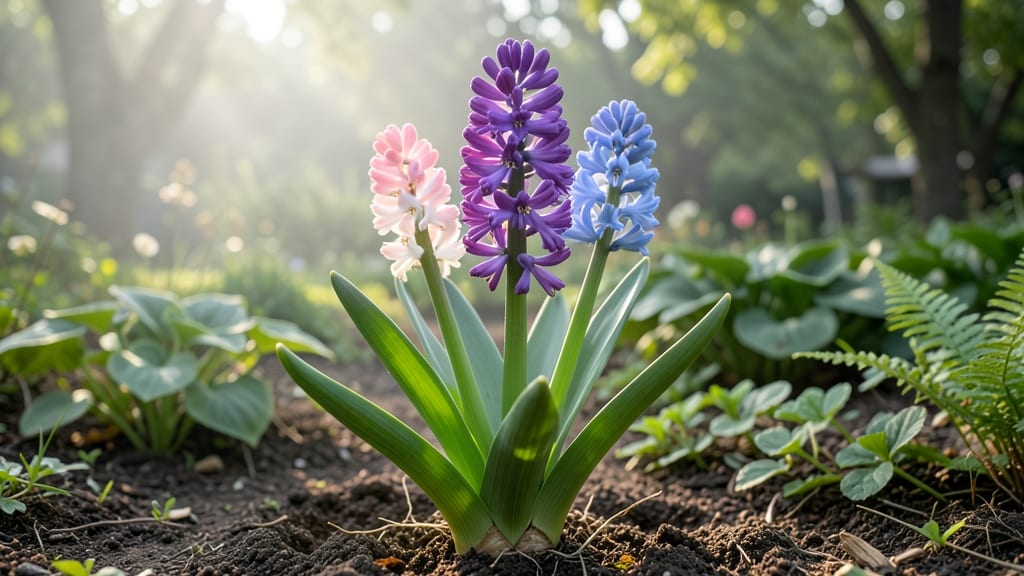
Hyacinths flower between late winter and early spring, with timing that shifts dramatically depending on where you live — and it’s not just about the calendar.
If you’ve ever wondered why your neighbor’s 🌸 hyacinths burst into color weeks before yours, the answer lies in your USDA zone. In cooler climates like Zone 6a, blooms often arrive by March, while warmer zones might see them as late as April.
Even a few degrees can push the timeline forward or back by weeks.
This guide breaks down exactly when to expect those fragrant spikes in your garden, plus the simple tweaks—like planting depth or bulb variety—that can help you control the timing and enjoy hyacinths for a longer stretch of spring.
You’ll also learn how to read your local frost dates, choose the right varieties for your zone, and keep your bulbs happy so they’ll reward you with bold, reliable blooms year after year.
Hyacinth flowering timeline by USDA zone: when to expect blooms
Hyacinths are one of spring's most fragrant surprises, but their bloom time varies dramatically depending on your USDA zone. In colder northern zones, you might see flowers as early as late March, while gardeners in warmer southern regions may enjoy blooms into early May.
This variation isn't random—it's tied to your local climate's chilling requirements and warmth triggers.
The key to predicting hyacinth blooms lies in understanding how your zone's average last frost date and temperature patterns interact with the bulbs' natural cycle.
Most hyacinths need 12-16 weeks of cold dormancy before they'll bloom, but the exact timing shifts based on whether you're in Zone 3 or Zone 9. Let's break down what to expect where you garden.
Pro Tip: Plant hyacinth bulbs in fall (September-November) to ensure they get enough cold exposure. In warmer zones, you might need to pre-chill bulbs in your fridge for 6-8 weeks before planting. This mimics the natural winter chilling they'd get in colder climates.
In Zones 3-5, where winters are harsh, hyacinths often bloom within 2-3 weeks of the last frost. The bulbs have spent months in the ground experiencing consistent cold temperatures, which triggers their flowering mechanism.
If you're in Zone 5 and see snow still on the ground, don't worry—hyacinths can handle light frost and will often push through snow for those vibrant spring colors.
Gardeners in Zones 6-7 typically enjoy a 3-4 week bloom window starting in mid-April. The timing here is more temperature-dependent than in colder zones. If you notice your hyacinths blooming later than expected, it might be because your winter wasn't cold enough.
A sudden warm spell in late winter can delay blooming until soil temperatures consistently stay above 50°F (10°C).
For those in Zones 8-9, hyacinths often bloom in May, which can feel disappointingly late if you're used to earlier spring bloomers. The solution? Plant early-blooming varieties like 'Delft Blue' and ensure bulbs get 6-8 weeks of chilling either in the ground or in your fridge.
In Zone 9, you might even get a second bloom if you plant bulbs in late fall.
In the warmest zones (10-11), hyacinths are almost out of sync with traditional spring. Here, they bloom in late May or June, which can feel like summer to many gardeners.
To enjoy hyacinths in their traditional spring window, force bulbs indoors in winter by planting them in pots in November and keeping them in a cool, dark place until buds appear.
One critical factor across all zones is the 4-6 week bloom window. While individual flowers last only 7-10 days, each stalk produces 10-20 flowers that open sequentially.
This means you'll enjoy continuous color from each plant for weeks, not just days. To extend this window, plant multiple varieties with staggered bloom times.
How to predict and extend hyacinth blooming season in your garden
Hyacinths are famous for their fragrant spring blooms, but their exact timing can vary wildly based on where you live and how you plant them. The key to extending their bloom season lies in understanding planting windows, cold stratification, and variety selection.
By adjusting these factors, you can enjoy hyacinths blooming for weeks instead of just a few days!
First, check your USDA zone—this determines when to plant for optimal blooms. In cooler zones (3-5), plant bulbs in fall (September-October) to ensure they get enough cold exposure.
In warmer zones (8-10), plant in late fall (November-December) to avoid premature sprouting. This timing trick alone can shift blooms by 2-4 weeks!
🌱 5 Key Tips to Extend Hyacinth Blooms
- 1. Plant in fall (6-8 weeks before first frost) for spring blooms.
- 2. Use cold stratification—chill bulbs in 40°F for 10-12 weeks to mimic winter.
- 3. Choose early/late varieties like 'Annette' (early) or 'Woodstock' (late).
- 4. Plant at 6" depth in well-draining soil to prevent rot.
- 5. Avoid fertilizing until foliage emerges—too soon delays blooms.
Reading bulb packaging is another game-changer. Look for bloom time labels like "early," "mid," or "late" season. For example, 'Blue Jacket' blooms early (March-April), while 'Pink Pearl' blooms late (April-May). Mixing varieties ensures a staggered bloom season of 4-6 weeks!
Cold stratification is a pro trick for gardeners in mild climates (Zones 7-10). Store bulbs in a paper bag in the fridge for 10-12 weeks before planting.
This mimics winter chilling, tricking bulbs into blooming on schedule. Skip this step in cold zones (3-6), where natural frost provides enough chill.
Avoid these common mistakes that shorten bloom seasons: planting too late (misses chill time), overwatering (causes rot), or fertilizing too early (delays flowers). Instead, water deeply but infrequently and fertilize only after foliage appears. Mulch with straw or leaves to insulate bulbs and protect them from temperature swings.
With these strategies, you can turn a single burst of hyacinth color into a month-long spring spectacle. Experiment with planting times and varieties to find what works best in your garden—your nose (and neighbors!) will thank you. 🌸