
Plants
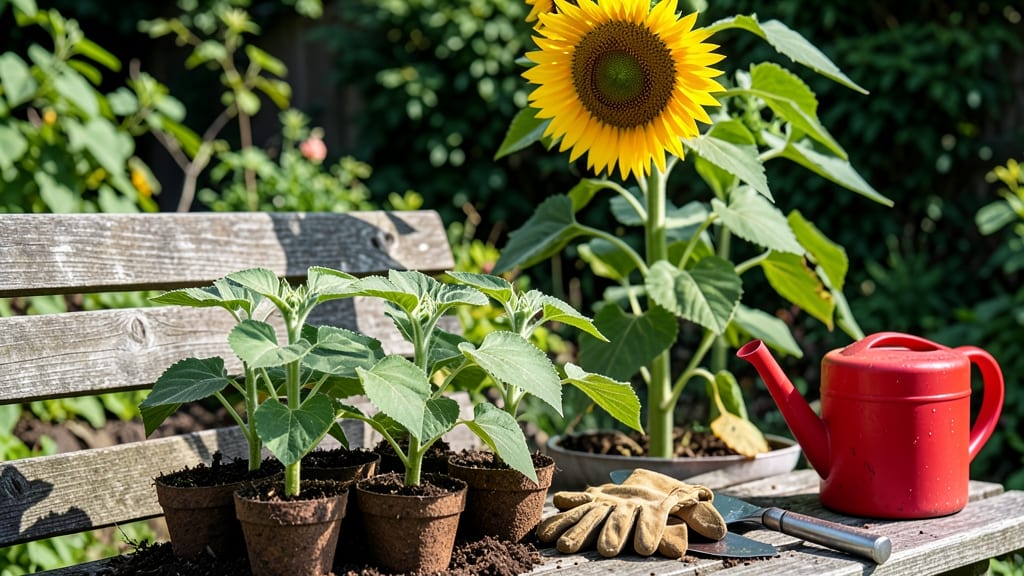
Planting sunflower seeds in Texas means timing them right to beat the heat and frost—start them after your last frost date and before the summer scorcher sets in.
Sunflowers 🌻 thrive in Texas’ long, hot summers—but planting them too early or late can mean wilted dreams before they even bloom. Timing is everything for these drought-tolerant giants, and getting it right means bigger blooms, stronger stalks, and a showstopping garden centerpiece.
In North Texas (zones 8a–9a), wait until mid-March to avoid late frosts, while Gulf Coast gardeners (zones 9b–10b) can start as early as January. The key is planting when soil temps hit 55°F—too soon, and frost zaps tender sprouts; too late, and summer’s intensity stunts growth.
Below, I’ll break down the best months by region, heat-tolerant varieties that won’t bolt in the Texas sun, and pro tips to keep your sunflowers standing tall all season long.
Texas sunflower planting deadlines: avoiding frost and extreme heat
Texas sunflowers 🌻 love the heat but hate surprises—like unexpected frost or scorching summer waves. The key to success lies in planting at the right time, which varies dramatically across the state’s USDA zones 7-10.
Get it wrong, and you’ll end up with leggy seedlings or flowers that bolt before they bloom. Let’s break down the perfect frost-free windows for each region so you can time your planting like a pro.
Sunflowers are frost-sensitive but surprisingly heat-tolerant. While they can handle Texas summers once established, they need a strong start. The golden rule: Plant after your last frost date and before the peak summer heat hits.
For most Texas gardens, this means late winter to early summer, but your exact timing depends on whether you’re in North, Central, or South Texas.
Here’s the critical window for each region, based on average last frost dates and heat tolerance thresholds:
| Region | USDA Zones | Last Frost Date | Ideal Planting Window | Heat Threshold |
|---|---|---|---|---|
| North Texas | 7a-8a | Mid-March | Late March–early May | Avoid after June 15 |
| Central Texas | 8a-8b | Early February | Late February–mid-April | Avoid after June 1 |
| South Texas | 9a-10b | Mid-January | Late January–early June | Plant year-round (avoid peak July–August) |
If you’re in North Texas (zones 7-8), wait until after March 15 to plant. Early varieties like 'Teddy Bear' can handle cooler temps, but most sunflowers need soil temps above 55°F to germinate.
For Central Texas (zones 8-8b), you’ve got a wider window—plant from late February to April—but avoid starting seeds after June 1 if you want mature blooms.
South Texas gardeners have the luxury of year-round planting, but focus on January to early June for the best results. The Gulf Coast’s humidity can stress young seedlings, so opt for dwarf varieties like 'Moulin Rouge' if planting in late spring.
Just remember: Even sunflowers can suffer in 100°F+ heat, so give them time to establish roots before the real Texas summer kicks in.
For early varieties, like 'Autumn Beauty', you can push the envelope and plant as early as February in Central Texas or March in North Texas.
These varieties mature faster (60-70 days) and can handle cooler temps better. Late varieties, such as 'Russian Giant', need a longer growing season (90-120 days) and should be planted by mid-April in North Texas or early April in Central Texas.
Pro tip: Use black plastic mulch to warm the soil faster in early plantings, or start seeds indoors 4-6 weeks before your last frost date. This gives you a head start on the season and helps avoid seedling diseases from overwatering cold soil.
Just be sure to harden off seedlings before transplanting—Texas sunflowers hate sudden temperature swings!
Timing isn’t just about frost—it’s also about water availability. Planting too late means competing with summer droughts and competing weeds. Aim to have your sunflowers well-established by June, so they can tap into Texas’ deep water tables and survive the dry spells.
With the right timing, you’ll be rewarded with sunflower stalks taller than your fence and blooms that turn heads all summer long.
🌻
Best heat-tolerant sunflower varieties for Texas gardens
Texas’ brutal summers can wilt many plants, but sunflowers thrive in the heat—if you pick the right varieties. The Autumn Beauty hybrid leads the pack with its drought resistance and long bloom season, while ProCut delivers cut-flower perfection that lasts weeks in vases.
These heat-tolerant varieties are bred to handle Texas’ 100°F+ temperatures without wilting.
For early planting (February–March), opt for short-season varieties like 'Teddy Bear' (3–4 ft tall) that mature quickly. If you’re planting late summer (July–August), 'Moulin Rouge' or 'Russian Giant' handle the heat better than most.
Each variety has unique strengths—bloom size, stem strength, or disease resistance—so choose based on your garden’s needs.
To maximize survival, pair your sunflowers with companion plants like marigolds (repel pests) or basil (improves flavor if you harvest seeds). For early starts, sow seeds indoors 6–8 weeks before your last frost date—use biodegradable pots to avoid transplant shock.
Harden off seedlings by placing them outdoors for 2–3 hours daily before full exposure.
For late-summer planting, focus on short-statured varieties like 'Little Becka' (2 ft tall) to avoid wind damage from Texas storms. These compact sunflowers also work well in container gardens, making them perfect for patios or balconies.
Mulch heavily around the base to retain moisture and regulate soil temperature during 110°F+ heatwaves.
My top pick for Texas gardens? 'Autumn Beauty'—it’s heat-resistant, produces multi-colored blooms, and attracts pollinators like bees and butterflies. For cut flowers, 'Pro