
Plants
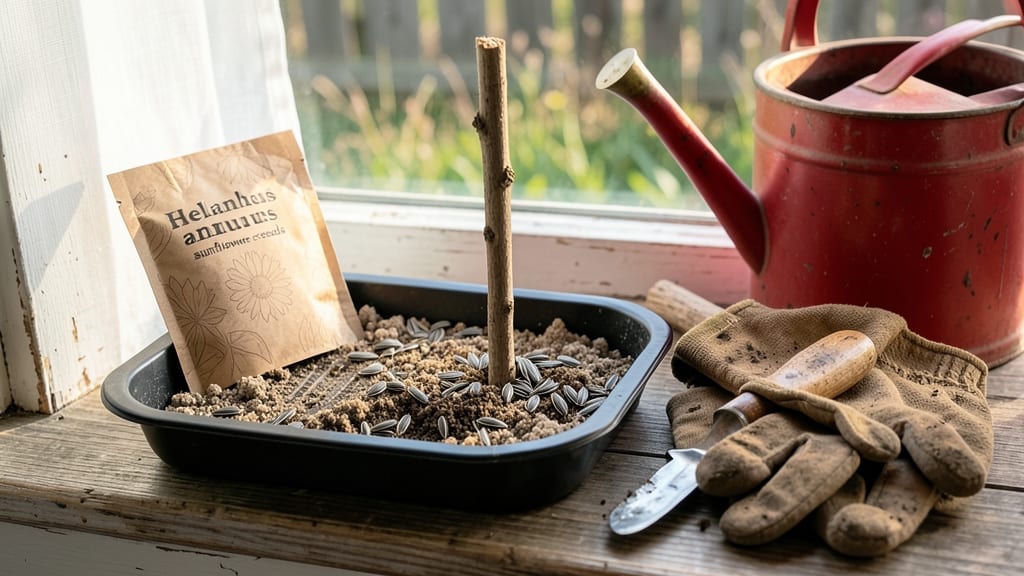
Planting sunflower seeds in Michigan after the last frost — typically mid-April — is the key to unlocking those towering 🌻 blooms by summer.
Michigan gardeners know timing is everything—plant too early, and frost will kill them; too late, and you’ll miss the towering summer blooms. Mastering the perfect frost-free window ensures sunflowers thrive in USDA Zones 5-6.
In Zone 5b, where spring lingers, wait until early May when soil warms to 50°F or higher. Meanwhile, gardeners in Zone 6b can start as early as late April, but always check local frost forecasts.
Below, I’ll break down the best planting dates, soil prep tips, and how to adjust for Michigan’s unpredictable weather—so you can grow sunflowers that reach their full 10-foot potential.
Michigan sunflower planting dates by USDA Zone 5-6 (frost-free timing)
Michigan’s USDA Zones 5-6 offer a 165-day frost-free season, giving sunflowers just enough time to mature from seed to towering blooms. The Upper Peninsula (Zone 5) typically has 2-3 weeks earlier last frost dates than the Lower Peninsula (Zone 6), so adjust your timing accordingly.
For both regions, soil temperature is the critical factor—wait until it consistently stays above 50°F before planting.
Direct sowing is the best method for sunflowers, as they hate transplanting. Start seeds 1 inch deep and 6 inches apart once your soil warms up.
In Zone 5 (Upper Peninsula), aim for May 1-15 for optimal growth, while Zone 6 (Lower Peninsula) gardeners can plant as early as April 20-May 1. Late plantings in June still work but may produce smaller blooms before frost.
| Region | USDA Zone | Last Frost Date | Ideal Planting Window | Soil Temp Threshold |
|---|---|---|---|---|
| Upper Peninsula | 5b | May 1-15 | May 15-June 15 | 50°F+ |
| Northern Lower Peninsula | 5b-6a | April 25-May 5 | May 10-June 10 | 50°F+ |
| Southern Lower Peninsula | 6b | April 15-25 | April 25-June 5 | 50°F+ |
For transplanting (less ideal but possible), start seeds indoors 4-6 weeks before your last frost date. Use biodegradable pots to avoid root disturbance when moving outdoors.
Harden off seedlings by placing them outside for 2-3 hours daily in protected areas (like a greenhouse or under row covers) 1 week before transplanting.
If you’re in northern Michigan (Zone 5), prioritize fast-maturing varieties like ‘Teddy Bear’ (60-70 days) or ‘Moulin Rouge’ (70-80 days) to ensure blooms before frost.
In southern Michigan (Zone 6), you can grow taller varieties like ‘Mammoth’ (100-120 days) but plant them by June 1 to avoid late-season frost damage. Always monitor 10-day forecasts—a sudden cold snap can delay planting by weeks.
Pro tip: Use a soil thermometer to confirm temperatures. If your soil is below 50°F but your calendar says it’s time to plant, wait another week. Cold soil slows germination, and sunflower seeds may rot instead of sprout.
For extra protection, cover newly planted seeds with row fabric until soil warms consistently.
Sunflowers thrive in well-draining soil with 6-8 hours of sunlight daily. Amend heavy clay soil with compost or sand to improve drainage. After planting, water deeply 1-2 times per week (1-2 gallons per plant) to encourage strong root growth.
Once established, sunflowers are drought-tolerant, but consistent moisture during flowering (July-August) ensures bigger blooms.
Extend your sunflower season by staggering plantings every 2 weeks from May through early June. This creates a continuous display of blooms from July through September. In Zone 5, your last planting should be by June 15 to allow 60-80 days for maturity.
Save seeds from your healthiest plants for next year—sunflowers are annuals but produce fertile seeds that store well in cool, dry conditions.
Remember: First frost in Michigan typically arrives October 15-30, so plan accordingly. If your sunflowers haven’t bloomed by late August, consider harvesting seeds early (when petals turn brown) or cutting flowers for indoor arrangements before frost hits.
With the right timing, your sunflowers will reach 6-14 feet tall and bring months of color to your garden.
🌻
How to adjust sunflower planting for Michigan’s unpredictable weather
Michigan’s unpredictable spring weather can turn a perfect sunflower garden into a gamble—late frosts, cold snaps, and soggy soil all threaten your towering blooms. The key? Flexible strategies that protect your plants while maximizing your growing season.
I’ve learned the hard way that rigid planting schedules fail in Michigan’s Zone 5-6 climate, so here’s how to adapt.
Start by staggering your plantings every 2 weeks from mid-May through June. This ensures at least one batch matures before frost, even if early blooms get nipped. For example, plant ‘Teddy Bear’ dwarf varieties first—they tolerate cooler temps better than giants like ‘Mammoth’.
Pair this with row covers for extra protection during late-May cold snaps (they’re common!).
⚠️ callout warning ⚠️
Choose fast-maturing varieties (60-80 days to harvest) to beat Michigan’s short growing season. ‘Autumn Beauty’ (80 days) and ‘ProCut’ (70 days) are my top picks—they bloom reliably even with June cold snaps.
Avoid ‘Russian Giant’ (120+ days)—it rarely matures fully in Michigan’s 165-day frost-free window. Instead, opt for semi-dwarf types (3-6 ft tall) that yield seeds faster.
For extended spring rains, improve drainage by planting on mounds or raised beds. Sunflowers hate soggy roots, so amend heavy clay soil with compost or sand before sowing. If your garden stays waterlogged, delay planting until the soil dries enough to crumble in your hand.
A moisture meter ($10 at garden centers) helps—aim for 40-60% moisture before planting.
Monitor soil temperatures with a soil thermometer ($15). Sunflower seeds need 50°F+ soil to germinate—waiting ensures strong starts. In northern Michigan (Zone 5b), this often means late May planting, while southern Michigan (Zone 6a) can start in early May.
Use black plastic mulch to warm cold soil faster if needed.
Finally, thin seedlings to 6-12 inches apart once they’re 3 inches tall. Crowded plants compete for sunlight and nutrients, stunting growth—critical in Michigan’s limited sunlight hours during cloudy summers. Save thinned seedlings for snacks or companion planting with beans (they fix nitrogen!).
With these adjustments, you’ll enjoy sunflowers from July to October, even with Michigan’s unpredictable weather. 🌻