
Watering
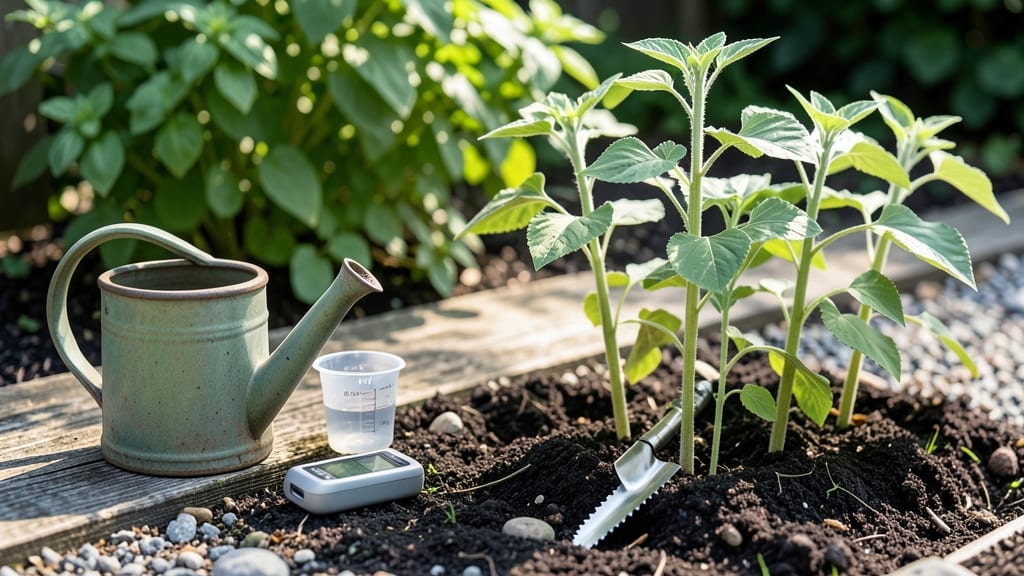
Watering sunflower seedlings the right way means keeping soil consistently moist—not soggy, not bone-dry—so they grow strong roots and reach for the sky.
Sunflower seedlings demand precision when it comes to watering—overdo it, and you risk damping off; underdo it, and they’ll wither before reaching their towering potential. But how do you strike the perfect balance?
Most gardeners assume a one-size-fits-all schedule works, but soil type, weather, and even container size change the game. In USDA Zone 6a, where spring rains can be unpredictable, checking soil moisture 1 inch deep is the key to avoiding stress.
Below, I’ll walk you through a foolproof method for determining when to water, how to adjust for clay or sandy soil, and the warning signs that tell you to stop or step up your routine.
The ideal watering schedule for sunflower seedlings based on soil conditions
Sunflower seedlings need consistent moisture to thrive, but their watering needs shift dramatically based on your soil type.
The wrong approach—whether overwatering or underwatering—can stunt growth or trigger damping off, a deadly fungal disease. Clay soil holds water like a sponge, while sandy soil drains faster than a sieve. Even loamy soil, the gold standard, requires precision timing.
Let’s break down the science-backed schedule tailored to your garden’s foundation.
Your first step is mastering the finger-test method. Stick your index finger about 1 inch deep into the soil near your seedlings. If it feels dry, it’s time to water. If it’s damp, hold off. This simple trick eliminates guesswork and prevents both root rot and dehydration.
For sunflowers, aim for soil that’s moist but not soggy—think of a wrung-out sponge. Overwatering suffocates roots, while underwatering stresses young plants before they’ve developed deep root systems.
Here’s the golden rule: Most sunflower seedlings need watering every 2-3 days in ideal conditions. But this changes based on your soil. Clay soil may only need watering every 4-5 days because it retains moisture longer, while sandy soil might require daily watering to prevent drying out.
Loamy soil sits in the middle, typically needing water every 2-3 days. The key is adapting your routine based on what your soil tells you.
Morning is the best time to water sunflower seedlings because it allows excess moisture to evaporate during the day, reducing fungal risks. Avoid evening watering, as damp foliage overnight creates a breeding ground for powdery mildew.
If you’re using a watering can, aim for a deep soak—about ½ gallon per seedling—to encourage roots to grow downward rather than stay shallow. Shallow watering leads to weak stems that can’t support those 10-foot-tall sunflowers later on.
Adjust your schedule based on weather conditions. During hot, dry spells, you may need to water daily, especially in sandy soil. Conversely, after a heavy rain, skip watering entirely for 2-3 days to avoid over-saturating the soil.
Pay attention to the humidity levels too—high humidity means you’ll need to water less frequently, while dry air increases evaporation rates. A simple weather app can help you anticipate adjustments before your seedlings show stress signs.
One common mistake is assuming all sunflower seedlings need the same care, but seedling age plays a role too. Newly sprouted seedlings (under 2 weeks old) need daily misting to keep the soil surface moist.
Once they’ve developed their first true leaves (around 2-3 weeks), you can shift to deeper watering every 2-3 days. As they grow taller, their root systems expand, allowing them to access moisture more efficiently, so you’ll gradually reduce frequency—but never let the soil dry out completely.
If you’re growing sunflowers in containers or pots, their watering needs are more frequent than in-ground plants. Containers dry out faster, so check moisture levels daily and water whenever the top ½ inch of soil feels dry.
Use pots with drainage holes to prevent waterlogging, and consider adding a layer of perlite to improve drainage. Overcrowded pots also increase humidity around seedlings, raising the risk of damping off, so ensure each seedling has enough space to breathe.
To further refine your approach, consider using a moisture meter for precise readings, especially if you’re new to gardening. These tools take the guesswork out of soil moisture and help you tailor your watering schedule with confidence. Even a $10 analog meter can save your seedlings from over- or under-watering.
For organic gardeners, a wooden dowel inserted into the soil works too—pull it out and check the moisture level on the end for a DIY solution.
Remember, sunflowers are resilient once established, but their seedling stage is delicate. Consistency is key—stick to your soil-specific schedule and monitor your plants’ responses. If leaves start curling or turning yellow, it’s a sign to adjust.
With the right watering routine, your sunflower seedlings will grow into vibrant, towering plants that bring joy to your garden all season long. 🌻
Signs your sunflower seedlings need water (and when to hold back)
Sunflower seedlings are surprisingly delicate during their early stages, and their watering needs can be tricky to gauge. Unlike mature sunflowers that boast deep taproots, seedlings rely on consistent moisture in the top 1-2 inches of soil.
Skimping on water can stunt growth, while overwatering creates the perfect conditions for damping off—a fungal disease that turns seedlings to mush overnight.
Learning to read your seedlings' signals is the key to keeping them thriving. The most reliable indicators include leaf wilting, soil crusting, and yellowing foliage. Each of these signs tells a different story about whether your seedlings are thirsty or drowning.
For example, morning wilting that recovers by afternoon suggests thirst, while soggy soil and darkened stems scream overwatering.
⚠️ callout warning ⚠️
Seedlings: Keep soil evenly moist—water every 1-2 days with ½ inch of water. Use a spray bottle for gentle hydration.
Established Plants: Shift to deep watering every 2-3 days once seedlings develop true leaves. Avoid wet foliage to prevent disease.
Climate Adjustments: Water daily in heat (>90°F), every 3-4 days in cooler weather. Always check soil moisture before watering.
One of the first signs your seedlings need water is leaf drooping, especially if it happens during the hottest part of the day. Healthy sunflower seedlings should stand upright with bright green leaves.
If the leaves begin to curl inward or lose their rigidity, it’s time to water. However, be cautious—if the soil feels soggy or the leaves appear mushy, you’ve likely overwatered.
Another red flag is a hard crust forming on the soil surface. This happens when water evaporates too quickly, leaving behind a barrier that blocks oxygen and roots from absorbing moisture. To fix this, gently break up the crust with your fingers or a small rake, then water deeply.
Adding a light layer of mulch (like straw) can help retain moisture and prevent future crusting.
Yellowing leaves are a classic sign of overwatering or poor drainage. If the yellowing starts at the bottom leaves and moves upward, your seedlings may be root-bound or suffering from fungal issues. To recover, reduce watering frequency and ensure pots or beds have drainage holes.
If the yellowing is paired with blackened stems, act fast—remove affected seedlings and repot healthy ones in fresh, dry soil.
When in doubt, use the finger test: Stick your index finger 1 inch deep into the soil. If it feels dry, it’s time to water. If it’s damp, hold off until the next day.
Sunflowers are resilient once they mature, but seedlings need your attention to grow strong. Mastering these cues will help you avoid the most common watering mistakes and give your sunflowers the best start possible. 🌱