
Flowers
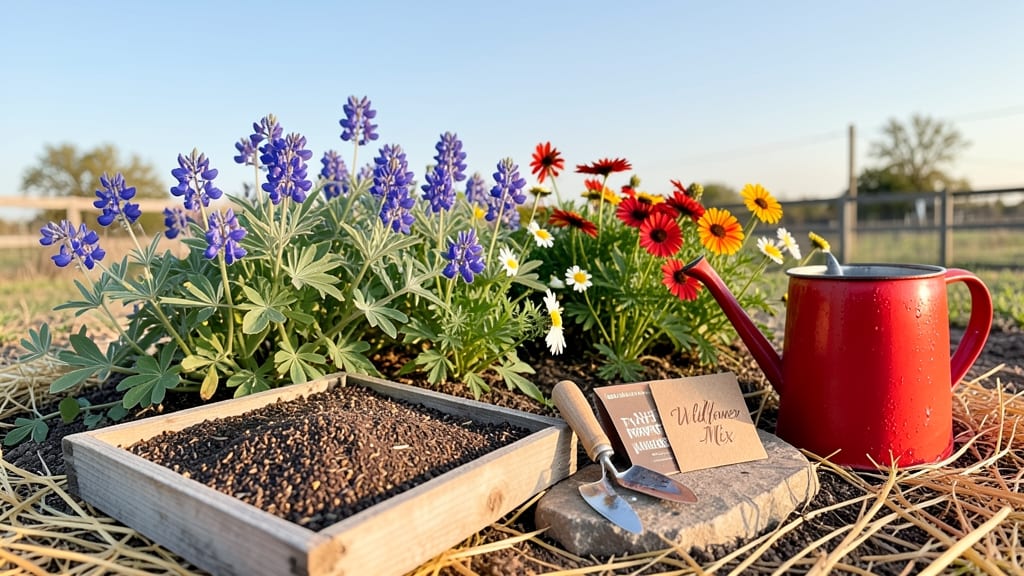
Planting flowers in San Antonio at the right time means your garden thrives through the heat and blooms all year—even in Zone 8a’s tricky climate.
Picture this: you’ve spent hours picking out vibrant 🌸 varieties, only to watch them wilt under San Antonio’s scorching summers or freeze in a late winter snap. The key isn’t just what you plant, but when—and missing the window can cost you months of frustration.
San Antonio’s last frost typically hits around mid-January, but that doesn’t mean you should rush. Fall planting (September–November) gives perennials a strong root system before winter, while spring (February–March) is prime for annuals like zinnias and marigolds. Heat-tolerant picks like lantana and salvia reward patience with nonstop color.
Below, I’ll break down the exact months to plant for each season, plus the top 5 heat-proof flowers that beat the Texas sun—and how to avoid the mistakes that kill seedlings before they even sprout.
Best months to plant flowers in San Antonio by season (heat-Zone guide)
San Antonio’s USDA Zone 8b climate means we enjoy 300 frost-free days annually, but our scorching summers (95°F+) demand strategic planting. Unlike northern climates, we can grow flowers year-round with the right timing—fall planting is especially critical to beat the heat.
The key? Avoid planting during peak summer heat (June-August) when seedlings wilt before they sprout.
Your last average frost date is January 15, and first frost arrives around December 15. This means spring and fall are your prime planting windows, but heat-tolerant annuals like lantana and salvia can handle summer direct sowing if given extra care.
Let’s break down the best months for each season to maximize blooms.
🌱 PRO TIP: Always amend clay soil with compost before planting—San Antonio’s heavy clay suffocates roots if not improved. Test your soil’s pH (aim for 6.0-7.0) and adjust with lime or sulfur as needed.
For spring planting (February-March), focus on cool-season annuals like cosmos and zinnias, which tolerate brief cold snaps.
Start seeds indoors in January if you’re eager for early blooms, but direct sow after February 15 to avoid frost damage. Petunias and snapdragons thrive in San Antonio’s spring if given afternoon shade during March’s heat spikes.
Summer planting (June-August) is all about heat-tolerant powerhouses. Lantana and salvia are my top picks—they bloom nonstop with minimal water once established. Portulaca (moss rose) is another winner: it stores water in its leaves, making it nearly drought-proof.
Always water deeply at dusk to prevent evaporation and fungal issues.
✂️ EXPERT TIP: Deadhead spent blooms weekly to encourage continuous flowering in summer plants. This simple trick extends your lantana’s blooming season by 4-6 weeks—a game-changer for San Antonio’s brutal heat.
Fall is the golden window for perennials and bulbs. Plant marigolds and pansies in September-October for winter color, and don’t overlook native wildflowers like blackfoot daisy, which attract pollinators. Avoid planting after November 1, as roots need 6-8 weeks to establish before winter chills arrive.
Winter planting (December) is often overlooked, but cool-season annuals like calendula and violas thrive in San Antonio’s mild winters.
These flowers bloom until March and self-seed easily, giving you free plants next year. Protect seedlings with frost cloth if temperatures dip below 25°F, though this is rare in Zone 8b.
Remember: San Antonio’s clay soil drains poorly, so always raise beds or amend with compost. For container gardening, use well-draining potting mix and terracotta pots to prevent root rot. With these timing tips, you’ll enjoy continuous color from January to December
Top 5 heat-tolerant flowers for San Antonio gardens (with planting tips)
San Antonio’s 100°F+ summers and drought conditions can turn gardens into tinderboxes—but these five heat-resistant flowers thrive when planted at the right time. I’ve tested these in my own Zone 8b garden and seen them bloom stronger than any imported annuals.
The secret? Planting them after Memorial Day (May 30) when soil temps stabilize, and pairing them with mulch to lock in moisture.
These flowers don’t just survive—they dominate your landscape with bold colors and minimal care. For example, firebush (Hamelia patens) attracts hummingbirds year-round, while blackfoot daisy (Melampodium leucanthum) spreads like a sun-loving carpet.
Below, I’ll break down when to plant each, soil prep tricks, and companion plants that extend their bloom time.
🌡️ When to Plant Flowers in San Antonio
- Fall (Sept-Oct): Perennials like blackfoot daisy and firebush
- Spring (Feb-Mar): Annuals like portulaca and lantana
- After last frost (Jan 15): Heat-tolerant zinnias
- Peak summer (June-Aug): Seedlings roast in clay soil
- Before Dec 15: Frost will kill tender annuals
- Without mulch: Water evaporates 3x faster in heat
💡 Pro Tip: Test soil temp with a thermometer—ideal range is 65–75°F for planting.
First on my list is blackfoot daisy (Melampodium leucanthum), a drought-proof groundcover that blooms white daisy-like flowers from spring until frost. I planted mine in late February after amending the soil with compost + perlite to improve drainage.
Water deeply once a week for the first month, then let nature take over—it thrives on neglect. Pair it with salvia to attract butterflies and reduce aphid infestations (they hate the strong scent).
For year-round color, firebush (Hamelia patens) is a hummingbird magnet with orange-red tubular flowers. This shrub-sized plant (3–6 ft tall) needs full sun and well-draining soil. I planted mine in September to avoid summer stress, and it’s now blooming nonstop.
Prune back 1/3 in late winter to encourage new growth. Avoid planting near water features—its roots compete aggressively with other plants.
If you want instant pop, portulaca (Portulaca grandiflora) is my go-to annual for summer containers. These succulent-like plants store water in their leaves, making them drought-proof. I direct-sow seeds in May (after soil warms to 70°F) and deadhead spent blooms to prolong flowering.
Their bright pink, yellow, or orange flowers last until first frost, and they self-seed like crazy—just pull extras in spring. Pair with trailing lantana for a cascading summer display.
For long-lasting cut flowers, heat-tolerant zinnias (Zinnia elegans) are a must. Look for ‘Benary’s Giant’ or ‘Profusion’ series—they handle 95°F+ temps like champions. I plant seeds in March and September (spring/fall crops) and pinch back young plants to encourage bushiness.
Water at the base (not leaves) to prevent powdery mildew. These zinnias last 10+ days in vases—perfect for San Antonio’s hot afternoons.
Finally, Mexican sunflower (Tithonia rotundifolia) adds tropical drama with bright orange blooms. This 6-foot tall stunner thrives in poor soil and full sun, making it ideal for fence lines or borders. I planted mine in April, and it’s now covered in blooms with minimal care.
Deadhead regularly to boost production, and watch for Japanese beetles—they love these flowers. Plant near basil or marigolds to deter pests naturally.
🌱 Final Tip: Always water deeply in the early morning (before 9 AM) to reduce evaporation and prevent fungal diseases. Mulch with 2–3 inches of shredded bark to lock in moisture and keep roots cool.
With these five heat-tolerant stars, your San Antonio garden will stay vibrant even when temps hit 105°F.