
Flowers
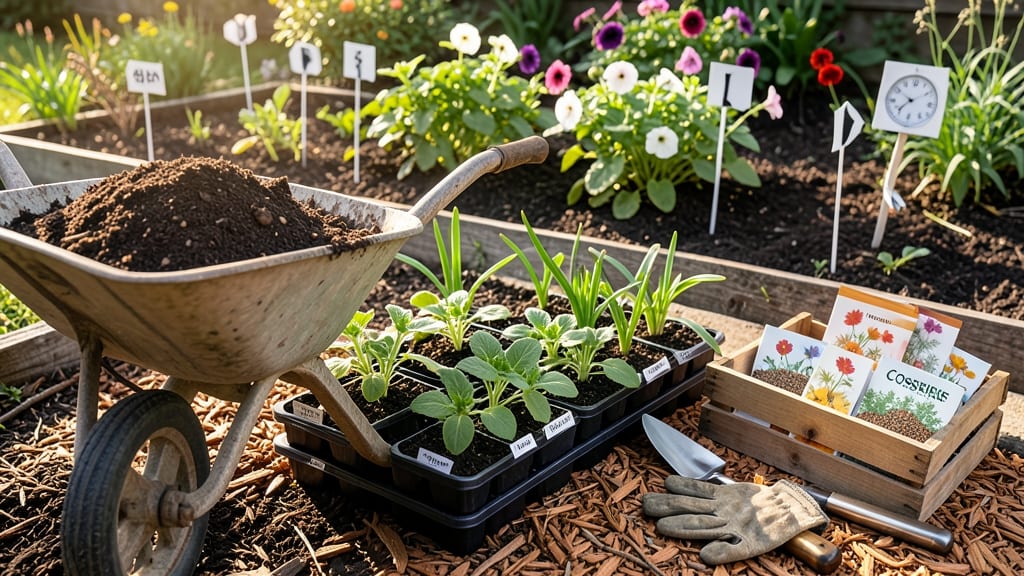
Planting flowers in Pittsburgh at the right time means the difference between a garden bursting with color and one that struggles to take root 🌸. With unpredictable spring frosts and hot summers, timing is everything—especially in USDA Zone 6B.
Miss the window, and you might end up with wilting seedlings or flowers that bolt too fast. But get it right, and you’ll enjoy blooms from April through October, even in the city’s microclimates.
Here’s the exact month-by-month schedule for annuals, perennials, and bulbs, plus how to adjust for Pittsburgh’s quirks—like urban heat islands and late frosts.
You’ll learn when to start seeds indoors, when to transplant, and how to stretch your season with simple tricks that actually work in Zone 6B.
Best flower planting months in Pittsburgh by type (zone 6B calendar)
Pittsburgh’s Zone 6B climate means last frost dates around April 15 and first frost near October 15. Timing is everything—plant too early, and cold snaps can kill tender varieties. Too late, and heat-loving annuals bolt before blooming. Let’s break down the best planting windows for your garden’s star performers.
Cold-hardy perennials and bulbs like tulips and daffodils thrive when planted in fall (October) or early spring (March-April). Meanwhile, heat-loving annuals such as marigolds and zinnias need to wait until after May 1 when soil temperatures consistently stay above 50°F.
Understanding these temperature thresholds is key to avoiding common Pittsburgh pitfalls.
Soil temperature is just as critical as air temperature. Use a soil thermometer to confirm 50°F+ for warm-season plants like petunias or 60°F+ for tomatoes (if you’re growing edible flowers). Pittsburgh’s compacted clay soil can delay warming, so amend with compost to improve drainage and warmth retention.
Here’s your month-by-month planting guide for Pittsburgh’s most popular flowers, organized by type:
| Plant Type | Best Months | Soil Temp | Sun Needs | Notes |
|---|---|---|---|---|
| Cold-Hardy Perennials | March-April, October | 40°F+ | Full Sun to Partial Shade | Plant coneflowers, black-eyed Susans after last frost or in fall for spring blooms. |
| Spring Bulbs | October-November | 50°F+ | Full Sun | Tulips, daffodils need 6-8 weeks of chill time. Plant by November 1 for best results. |
| Heat-Loving Annuals | May 1-June 15 | 60°F+ | Full Sun | Marigolds, zinnias, sunflowers bolt if planted too early. Start seeds indoors in April. |
| Tender Perennials | May 15-June 30 | 55°F+ | Partial Shade to Full Sun | Pansies, snapdragons can handle light frosts but thrive after May 15. |
| Fall-Blooming Annuals | July 15-August 15 | 65°F+ | Full Sun | Cosmos, celosia love late summer heat and bloom until frost. |
| Winter Interest Plants | September-October | 50°F+ | Full Sun to Partial Shade | Hellebores, winter aconite add color when little else blooms. |
For Pittsburgh’s unpredictable springs, I recommend starting seeds indoors in March for heat-loving annuals like petunias or geraniums. Transplant them outdoors after May 1 when nighttime temperatures stay above 50°F.
This two-step approach gives your plants a 3-4 week head start and boosts bloom time by 2-3 weeks.
If you’re planting bulbs in fall, aim for October 1-November 1. The 6-8 week chill period they need to bloom starts immediately—so don’t wait until December!
For perennials, divide and transplant in early spring (March-April) or early fall (September) to give roots time to establish before winter.
Pro tip: Use row covers or cold frames to extend your planting window by 2-3 weeks in spring or fall. These tools protect tender seedlings from late frosts (common in Pittsburgh until May 10)
How to adjust planting times for Pittsburgh’s microclimates
Pittsburgh’s urban landscape creates microclimates that can shift planting times by 2-4 weeks. A sun-baked city lot might be ready for marigolds by early May, while a shaded backyard could still have frost risk in June.
Understanding these differences helps you extend your bloom season and avoid wasted seed packets.
Start by identifying your specific microclimate type. Exposed city lots with pavement heat absorption warm up faster, while wooded backyards stay cooler longer. Even a 10-foot difference in elevation can mean 5-7 days of temperature variation—critical for frost-sensitive annuals like petunias.
Exposed City Lots vs. Sheltered Backyards
- Pros: Warmer soil (plant 2 weeks earlier)
- Cons: Wind stress (use windbreaks)
- Pros: Later frosts (plant 2 weeks later)
- Cons: Slower warming (delay heat-lovers)
- Plant drought-tolerant flowers (e.g., lantana)
- Use mulch to retain moisture
- Choose partial-shade flowers (e.g., impatiens)
- Adjust planting 4-6 weeks later
For exposed city lots, start heat-loving annuals like zinnias and cosmos in late April—even if the general guideline says May. Monitor soil temperatures with a soil thermometer; aim for 60°F+ before planting tender seeds.
In sheltered areas, wait until mid-May for the same varieties to avoid frost damage.
Extend your season with row covers or cold frames. These let you plant cold-hardy flowers like pansies and snapdragons 4-6 weeks earlier in spring or 2-3 weeks later in fall.
A simple floating row cover can add 4-6°F protection, while a cold frame adds 10-15°F—enough to grow calendulas through November.
Adjust shade-sensitive flowers by relocating containers or using reflective mulch. If your daylilies or black-eyed Susans wilt in afternoon sun, move them to morning sun only spots. For urban gardeners with west-facing walls, choose heat-tolerant varieties like portulaca or verbena that thrive in reflected heat.
Track your local last frost date—Pittsburgh’s average is April 15, but urban areas can be 5-7 days earlier. Use this frost-free window to time fall planting for late bloomers like mums and aster.
Plant them 6-8 weeks before your first frost (typically mid-September) for vibrant fall color.