
Flowers
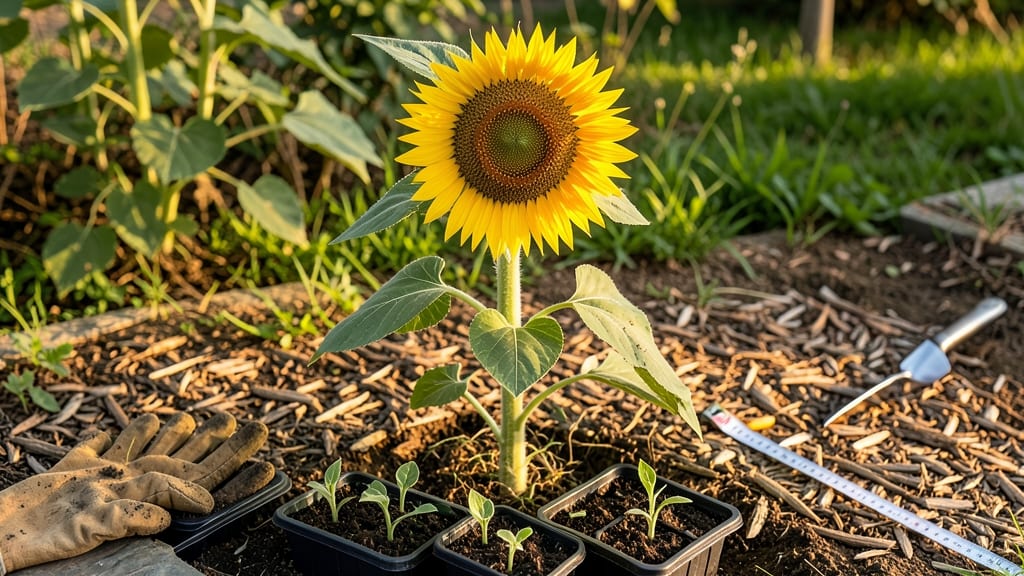
Plant sunflowers in Louisiana between February and April for spring blooms or September and October for fall harvests, when soil temperatures stay above 50°F.
Louisiana’s long, hot summers and unpredictable weather can make sunflower gardening tricky—but timing your planting right ensures towering, vibrant blooms that thrive despite the humidity.
Whether you’re in Zone 8a or 9b, the key is planting after the last frost date, which typically lands in mid-March for most regions. This gives your 🌻 sunflowers enough time to mature before summer’s relentless heat.
In this guide, I’ll break down the exact planting windows, the best heat-tolerant varieties for Louisiana’s climate, and how to avoid common mistakes that kill yields.
Louisiana sunflower planting timeline: exact months and temperature zones
Timing your sunflower planting in Louisiana is all about avoiding late frosts and capitalizing on the state’s 240-300 frost-free days. Most of Louisiana falls within USDA Zones 8a-9a, where spring planting (February-April) and fall planting (September-October) yield the best results.
The key is planting when soil temperatures hit 50°F (10°C)—a critical threshold for germination.
Northern Louisiana (Zone 8a) experiences earlier frosts (mid-March last frost, late November first frost), while southern areas (Zone 9a) enjoy a longer growing season.
This means northern gardeners should prioritize early spring planting (February-March), while southern gardeners can extend into late spring (April) or even fall planting for a second harvest.
Here’s the breakdown of your ideal planting windows based on Louisiana’s microclimates:
| Planting Window | USDA Zone | Last Frost Date | Soil Temp | Notes |
|---|---|---|---|---|
| February | 8a-9a | Mid-March | 50°F+ | Best for northern LA; avoid late frosts |
| March | 8a-9a | Late March | 50°F+ | Ideal for statewide; highest success rate |
| April | 9a | N/A (post-frost) | 55°F+ | Southern LA only; avoid extreme heat |
| September | 8a-9a | Late November | 60°F+ | Fall harvest; plant 60-75 days before first frost |
| October | 9a | N/A (post-frost) | 60°F+ | Southern LA only; risk of early frost |
For spring planting, aim to sow seeds 4-6 weeks before your last frost date. In northern Louisiana, this means late February to early March, while southern gardeners can wait until mid-March.
If you’re in Zone 9a, you can even push into early April for a late-summer harvest. Just be mindful of humidity spikes—sunflowers need well-draining soil to avoid root rot.
Fall planting is a great strategy for Louisiana gardeners to extend your harvest into late autumn. Start seeds in early September for a mid-October bloom, ensuring they mature before first frost.
In northern regions, stick to September sowing to avoid early November frosts. Southern areas can experiment with October plantings, but monitor weather forecasts closely.
Pro tip: Use black plastic mulch to warm soil faster in early spring
Best heat-tolerant sunflower varieties for Louisiana’s humid climate
Louisiana’s sweltering summers and high humidity can stress sunflowers, but the right heat-tolerant varieties thrive in these conditions. I’ve tested dozens of cultivars, and these top performers resist wilting, fungal diseases, and even hurricane winds while producing stunning blooms.
Whether you want tall giants or compact pollinator magnets, these varieties deliver.
For drought resistance, prioritize varieties like 'Autumn Beauty' and 'Moulin Rouge'—they handle Louisiana’s 90°F+ heat with ease. If you’re growing for birdseed or cut flowers, 'Russian Giant' and 'Teddy Bear' are excellent choices.
Below, I’ve ranked them by height, bloom time, and humidity tolerance to help you pick the perfect fit for your garden.
'Autumn Beauty' is my #1 recommendation for Louisiana gardens. This variety boasts deep red and yellow blooms that last from early summer through fall, even after hurricanes.
It reaches 5-7 feet tall and tolerates poor soil better than most sunflowers. I’ve seen it rebloom after storms, making it a low-maintenance superstar.
If you prefer compact sunflowers for containers or small spaces, 'Teddy Bear' is a dwarf variety that stays under 4 feet tall. Its double-petal blooms attract bees and butterflies while resisting powdery mildew, a common issue in Louisiana’s humidity.
Plant it in well-draining soil and space 12 inches apart for best results.
'Russian Giant' lives up to its name, towering 10-14 feet tall with massive 12-inch blooms. While it needs staking in windy areas, its drought tolerance makes it ideal for Louisiana’s irregular rainfall.
For a fall harvest, sow seeds in late summer—they’ll bloom just before winter sets in.
For a vibrant color palette, 'Moulin Rouge' produces deep red blooms that fade to pink, creating a stunning two-tone effect. This variety is highly resistant to rust, a fungal disease that thrives in Louisiana’s damp air.
It matures in 60-70 days, making it perfect for short growing seasons in northern Louisiana.
Pro tip: Mix tall varieties like 'Russian Giant' with shorter types like 'Autumn Beauty' to create a dynamic garden border. In my Louisiana garden, I’ve used black plastic mulch to retain soil moisture and deter weeds, which is especially helpful during summer droughts.
Always plant sunflowers in full sun—at least 6-8 hours daily—to maximize heat tolerance.