
Flowers
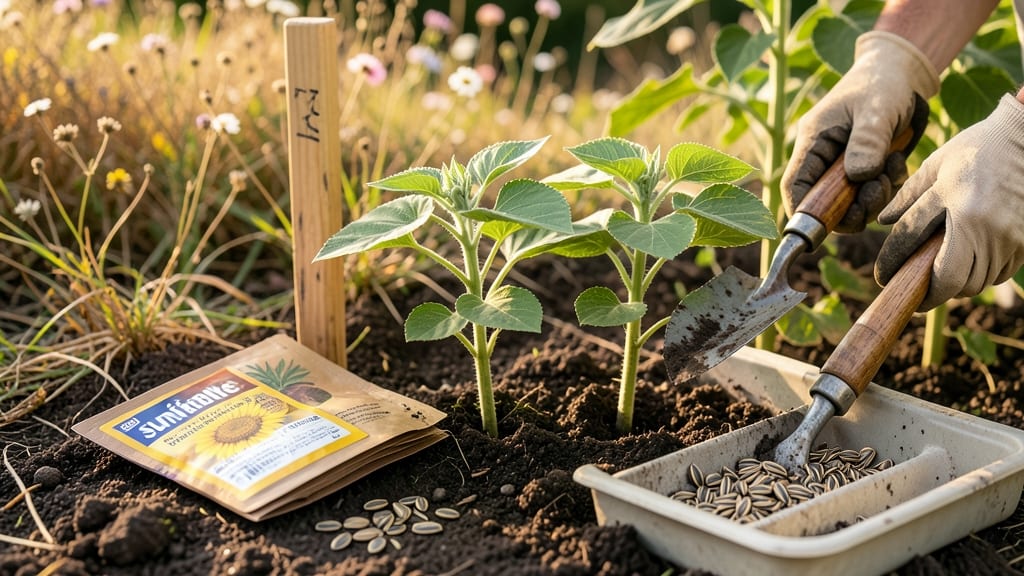
Planting sunflowers in Oklahoma at the right time means the difference between towering giants and sad, stunted stalks—so timing your seeds after the last frost (usually mid-April) is the key.
Picture this: you’ve cleared the garden bed, the soil is warm, and your 🌻 sunflower seeds are ready—but you wait too long, and the summer heat arrives before the blooms even think about opening.
That’s a common mistake in Oklahoma’s 6a-7b zones, where frost dates shift from north to south.
Here’s the good news: with the right frost-free window, soil temperature checks, and a few pro tips for Oklahoma’s clay-heavy soil, you can grow sunflowers that reach 12 feet or taller—right through harvest season from July to October.
Below, I’ll break down the exact months for direct sowing, how to adjust for your region (whether you’re in Oklahoma City or rural Zone 7b), and the one trick that lets you plant earlier without risking frost damage.
Oklahoma sunflower planting timeline: frost dates & soil temperature rules
Timing your sunflower planting in Oklahoma is all about understanding frost dates and soil temperatures. These giant blooms thrive when planted after the last frost, but Oklahoma’s USDA zones 6a-7b create regional differences you can’t ignore.
Northern Oklahoma (like Enid) has later frost dates, while southern areas (like Tulsa) warm up faster—sometimes by weeks.
Sunflowers need soil temperatures above 50°F to germinate properly. Using a soil thermometer is your best friend here—cold soil delays sprouting and weakens seedlings.
In Oklahoma, this usually means waiting until mid-April in most areas, but late March works in southern zones with black plastic mulch to warm the soil faster.
Here’s the critical rule: Plant after your last frost date, but don’t wait too long. Sunflowers grow fastest in warm soil, so aim for April-May for the best balance.
Late plantings (after June) may not mature before Oklahoma’s first frost in November, leaving you with underwhelming blooms instead of towering giants.
The USDA zone breakdown for Oklahoma matters because it affects your frost dates. Northern Oklahoma (zones 6a-6b) typically sees its last frost around March 25-April 5, while southern Oklahoma (zones 7a-7b) can be frost-free by March 10-March 20.
This means Tulsa gardeners can plant sunflowers 2-3 weeks earlier than their counterparts in Oklahoma City.
To calculate your exact planting window, start with your last frost date and add 2-3 weeks to ensure the soil has warmed. For example, if your last frost is March 25, aim to plant by April 15.
This buffer accounts for unpredictable late frosts that can still occur in Oklahoma’s microclimates.
Pro tip: Use black plastic mulch to warm the soil faster if you’re eager to plant early. This technique raises soil temperatures by 5-10°F, allowing you to start 2 weeks earlier in cooler zones. Just remove the mulch once the plants are established to prevent overheating.
Another key factor is day length. Sunflowers need longer daylight hours to trigger flowering, which is why planting in April-May gives them the 14+ hours of daylight they crave. Late plantings in June may produce smaller blooms because the days start shortening again.
Don’t forget that Oklahoma’s clay-heavy soils can slow germination. Amend your soil with compost or sand to improve drainage and warmth retention. This is especially important if you’re planting in northern Oklahoma, where soils stay cooler longer.
Finally, mark your calendar for November 15—this is when Oklahoma’s first frost typically arrives. If you plant too late, your sunflowers may not reach maturity before the killing frost
Best months to plant sunflowers in Oklahoma: direct sowing vs starter plants
Sunflowers thrive in Oklahoma’s long, hot summers, but getting them in the ground at the right time ensures strong stems and vibrant blooms. Whether you prefer direct sowing or transplanting starters, timing matters—especially in Oklahoma’s USDA Zones 6a-7b, where frost dates shift from north to south.
Let’s break down the best months for each method, plus regional tweaks for Oklahoma City, Tulsa, and rural areas.
For direct sowing, Oklahoma’s last frost dates (typically late March to early April) signal the start of your window. However, soil temperatures must reach 50°F+ for seeds to germinate reliably.
In northern Oklahoma, wait until mid-April, while central and southern regions can start as early as March 30. This method is ideal for dwarf varieties like ‘Teddy Bear’ or standard giants like ‘Russian Giant’.
- March (Rural/Southern OK only): Direct sow dwarf varieties under row covers if soil is workable (50°F+). Avoid in northern OK—late frosts linger.
- Mid-April (Statewide): Best for direct sowing all varieties. Soil temps consistently above 55°F ensure fast germination.
- Late April–Early May: Final window for direct sowing before summer heat arrives. Ideal for succession planting for continuous blooms.
- April–Early June: Transplant starter plants (if using). Avoid June in southern OK—intense heat stresses young plants.
- May–June (Succession Planting): Sow short-season varieties like ‘Autumn Beauty’ for fall blooms before first frost.
If you’re using starter plants, Oklahoma’s April–early June window works best. Transplant seedlings after hardening them off for 7–10 days, but avoid June in southern Oklahoma—the 100°F+ heat can shock tender roots.
For Oklahoma City and Tulsa, aim for late April to mid-May to balance warm soil and moderate temps. Pro tip: Water starter plants deeply the day before transplanting to reduce shock.
For continuous blooms, practice succession planting: Sow new seeds every 2–3 weeks from April through June. This works especially well for short-season varieties like ‘Moulin Rouge’ (60-day bloom time) or ‘ProCut’ (great for bouquets).
In rural Oklahoma, where nights stay cooler, you can extend planting into early July for fall harvests.
Regional adjustments matter! In northern Oklahoma (e.g., Woodward), delay until mid-April due to later frosts, while southern Oklahoma (e.g., Lawton) can start as early as March 20. Always check your local Almanac frost dates—Oklahoma’s microclimates can shift planting windows by 2–3 weeks.
For container growing, start seeds indoors in late March and transplant after last frost.
Remember: Sunflowers are fast growers, but poor timing leads to weak stems or bolted flowers. Whether you’re a direct sower or starter user, Oklahoma’s sunny skies reward patience with stunning, towering blooms—if you plant them right. 🌻