
Flowers
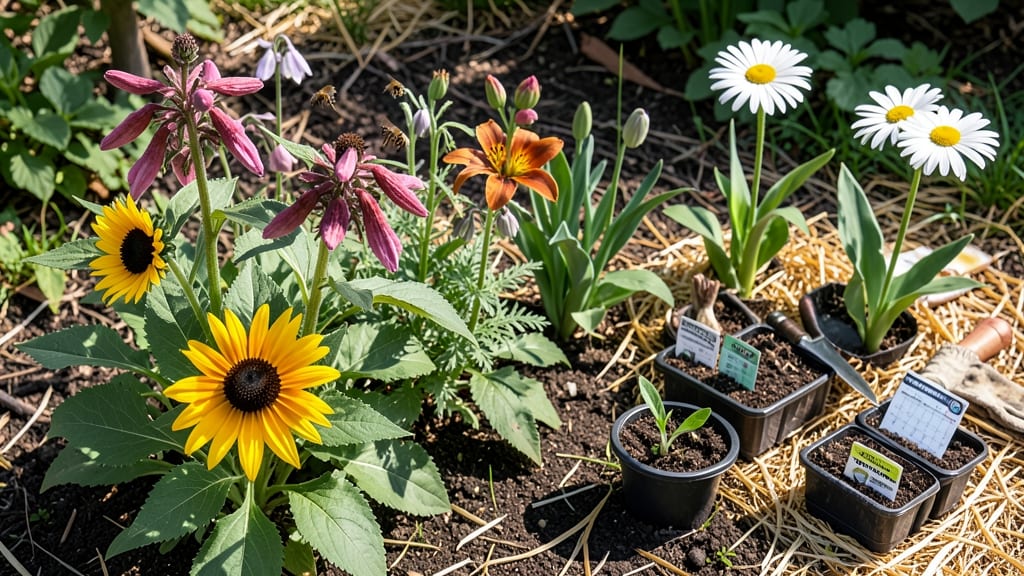
Planting flowers in Pennsylvania at the right time means the difference between a garden that bursts with color and one that struggles to take root.
Pennsylvania’s diverse climate—from the cool mountains to the humid valleys—means your flower planting timing can make or break a vibrant garden. Get the deadlines wrong, and you’ll miss peak blooms; nail them, and your garden will thrive all season long.
Whether you’re planting annuals for summer splendor or perennials that return year after year, knowing when to start is key. In zones 5b-7a, the window opens in early spring—typically March to May—but bulbs and hardy perennials can go in as early as February.
Below, I break down the exact planting schedule for your region, including soil prep tips, frost dates, and how to adjust for Pennsylvania’s unpredictable weather. Let’s get those 🌸 blooms growing!
Pennsylvania planting zones: when to start flowers by USDA Zone
Pennsylvania spans USDA Zones 4-7, creating distinct planting windows across the state. Whether you're in the cool mountains of Zone 4b or the warmer valleys of Zone 7a, understanding your zone helps you avoid frost damage while maximizing bloom times.
Annuals like marigolds and zinnias thrive when planted after the last frost, while perennials like coneflowers need early spring soil work.
Spring planting typically begins 4-6 weeks before your last frost date, with fall planting wrapping up 6-8 weeks before the first frost. Soil temperature plays a critical role—most annuals need 60°F+ soil to germinate, while bulbs like tulips should go in when soil is 50°F.
Let’s break down the exact windows for each zone to ensure your flowers get a head start.
| USDA Zone | Last Frost Date | First Frost Date | Spring Planting Window | Fall Planting Window | Ideal Soil Temp |
|---|---|---|---|---|---|
| Zone 4b (Northeast PA) | May 10 | October 1 | April 15 - May 10 | August 1 - August 20 | 60°F+ for annuals |
| Zone 5b (Central PA) | April 25 | October 10 | March 20 - April 15 | August 15 - September 1 | 55°F+ for annuals |
| Zone 6a (South-Central PA) | April 15 | October 20 | March 1 - April 1 | August 30 - September 10 | 50°F+ for bulbs |
| Zone 7a (Southeast PA) | March 30 | November 1 | February 20 - March 15 | September 15 - October 1 | 45°F+ for early starts |
In Zone 4b, where frosts linger until May 10, opt for cold-hardy annuals like pansies or snapdragons for early color. These can handle light frosts and bloom sooner than heat-loving geraniums.
Use row covers to extend your season if you’re eager to plant earlier. For perennials, divide irises or daylilies in early spring before new growth appears.
Zone 5b gardeners enjoy a longer window—plant tender annuals like petunias and begonias after April 15 when soil warms. For fall planting, focus on cool-season crops like pansies or stocks, which thrive in the milder autumn temperatures. Mulch heavily to protect roots from early frosts in October.
Warmer Zone 6a allows for earlier spring starts, including dahlias and canas, which need time to establish roots before summer heat. In fall, bulbs like tulips should be planted by September 10 to root before winter.
Use a soil thermometer to confirm 50°F soil—cold soil can stunt bulb growth.
Gardeners in Zone 7a can push boundaries with tropical annuals like marigolds or cosmos, which thrive in the extended growing season. Fall planting here can stretch into early October for winter pansies or kale (yes, it counts as a flower bed accent!).
Just be mindful of hurricane season, which can delay outdoor work.
Pro tip: Test your soil in early spring—aim for a pH of 6.0-7.0 for most flowers. Amend with compost or peat moss if needed, and consider slow-release fertilizer at planting time.
For container gardens, use a well-draining mix and plant 2-3 weeks earlier than in-ground beds, as pots warm faster.
Don’t forget microclimates—a south-facing wall or pond edge can add 1-2 weeks to your growing season. Use these spots for heat-loving plants like sunflowers or zinnias to extend their bloom time. Always check local frost dates via the Penn State Extension for real-time updates.
With these zone-specific deadlines, your Pennsylvania garden will burst with color from
Best flowers to plant by season in Pennsylvania: a month-by-month guide
Pennsylvania’s diverse microclimates—from the cool Appalachian Mountains to the humid Piedmont region—mean your flower planting schedule should adapt. Last frost dates vary from early April in southern PA to late May in the north, while first frosts arrive as early as mid-September in higher elevations.
To maximize blooms, I’ve curated a month-by-month planting guide featuring both hardy perennials and heat-loving annuals that thrive in PA’s conditions.
For spring bloomers, focus on cool-season annuals and early perennials like tulips and bleeding hearts, while summer heat demands drought-tolerant varieties such as lantana and black-eyed Susans.
Fall planting lets you extend the season with mums and pansies, which handle light frosts. Let’s dive into the ideal planting windows for each month.
🌱 Month-by-Month Planting Guide for Pennsylvania Flowers
- March: Tulips, daffodils, crocuses (bulbs); pansies, violas (annuals for cool weather)
- April: Peonies, irises, bearded tulips (perennials); calendulas, snapdragons (annuals after last frost)
- May: Daylilies, coneflowers, black-eyed Susans (perennials); marigolds, zinnias (annuals for summer color)
- June: Sunflowers, cosmos, lantana (annuals for late-summer blooms); transplant perennials if needed
- July-August: Chrysanthemums, astors (fall-blooming perennials); pansies, sweet alyssum (cool-season annuals)
- September: Bulbs (tulips, daffodils for spring); winter aconite, snowdrops (early bloomers)
⚠️ Pro Tip: Adjust 2-4 weeks earlier in southern PA (zones 6-7) and 2-4 weeks later in northern PA (zones 4-5).
In March, kickstart your garden with spring-blooming bulbs like tulips and daffodils, which thrive in PA’s cool soils.
For annuals, pansies and violas handle light frosts and add early color to borders. Wait until soil warms (above 50°F) to plant perennials like peonies, which prefer well-draining soil and full sun.
By April, most of PA has passed the last frost date, making it safe to plant heat-loving annuals like calendulas and snapdragons. Perennials such as irises and bearded tulips can go in the ground now, but mulch heavily to protect from late spring frosts. Container gardens are perfect for petunias and geraniums, which add instant color to patios.
May is prime time for summer-blooming perennials like daylilies and coneflowers, which thrive in PA’s humidity and attract pollinators. For annuals, marigolds and zinnias are disease-resistant and low-maintenance, perfect for cutting gardens. Succession plant every 2-3 weeks to ensure continuous blooms through fall.
As summer heats up in June and July, shift to drought-tolerant flowers like cosmos and lantana, which require minimal water once established. Deadhead spent blooms regularly to encourage reblooming in perennials like black-eyed Susans. Fall-planted bulbs, such as tulips, should go in the ground by late August for spring blooms.
Don’t overlook fall planting! September is ideal for cool-season annuals like pansies and sweet alyssum, which bloom until hard frost. Perennials like chrysanthemums and astors also thrive when planted in early fall, giving them time to establish roots before winter. Mulch with straw to insulate roots and protect from freezing.
With this seasonal roadmap, your PA garden will burst with color from spring tulips to fall mums. Experiment with microclimates—shady spots may need hostas or impatiens, while sunny areas shine with sunflowers and dahlias. Happy planting! 🌸