
Flowers
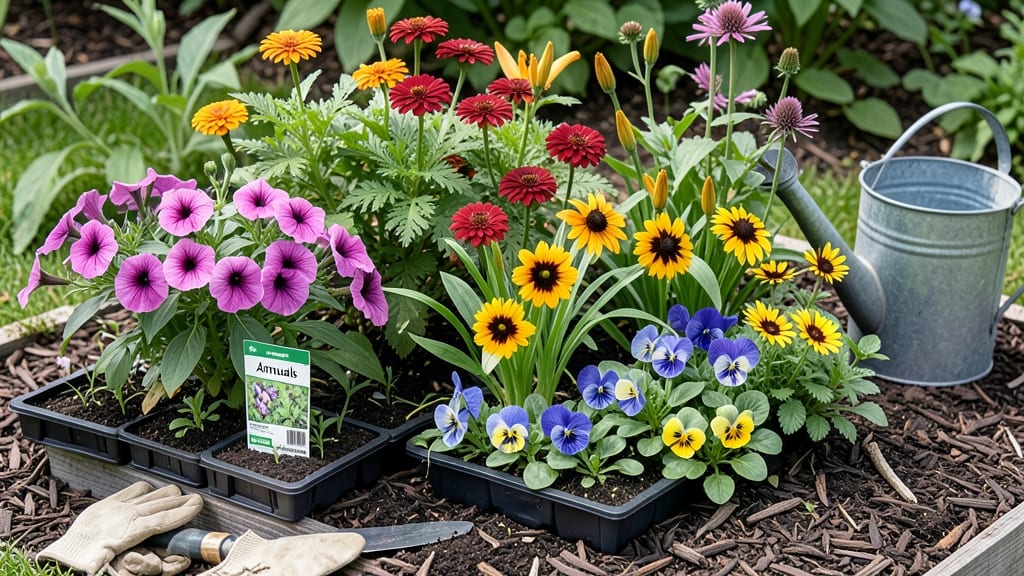
To plant flowers in Ohio, aim for early spring or fall—before the last frost around April 15 or after the first chill in September—when your 🌸 blooms stand the best chance of thriving.
Ohio gardeners know timing is everything—plant too early and frost will strike, too late and blooms may never arrive. Mastering the right schedule for Ohio’s USDA Zones 5-6 can mean the difference between a vibrant garden and a missed season.
Spring-bloomers like tulips and daffodils need to go in the ground 6-8 weeks before frost, while tender annuals such as marigolds wait until soil warms in May. Fall planting gives perennials like coneflowers time to establish roots before winter.
Below, I break down the exact months for annuals, perennials, and bulbs—plus how to adjust for Ohio’s microclimates—so you can plan a garden that bursts with color all season long.
Ohio flower planting timeline by season: exact months for each type
Ohio’s USDA Zones 5-6 create a unique challenge for gardeners, where last frost dates can vary by weeks between northern and southern regions. Cold-hardy flowers like coneflowers and peonies thrive when planted in early spring, while tender annuals like impatiens demand precise timing to avoid frost damage.
The key is knowing your local frost dates—typically April 15 for most of Ohio, but earlier in southern areas like Cincinnati.
For spring-blooming bulbs, like tulips and daffodils, fall planting is critical. These need 6-8 weeks in the ground before winter to establish roots. Meanwhile, perennial flowers like black-eyed Susans can often be planted in either early spring or early fall, giving you flexibility.
Annuals, however, are the most time-sensitive—plant them after the last frost but before June 1 for a full summer display.
If you’re planting perennials in spring, aim for April 15 to May 15—this gives roots time to establish before summer’s heat. Early bloomers like crocuses and hellebores can even handle March planting in southern Ohio, while northern areas should wait until mid-April.
For annuals like petunias, don’t rush—planting too early risks frost damage, but waiting until after June 1 may delay blooms until late summer.
Ohio’s fall planting window (September to October) is perfect for cool-season flowers like pansies and sweet peas. These thrive when planted 4-6 weeks before the first frost, typically around October 15.
For spring-blooming bulbs, like hyacinths, plant them in October—this ensures they’ll push through snow for early spring color. Pro tip: Use a soil thermometer to confirm 50°F soil temps before planting fall bulbs.
For gardeners in Zone 5 (northern Ohio), like those in Cleveland or Toledo, err on the side of caution. Wait until May 1 for tender annuals, and consider using row covers to extend the season.
In Zone 6 (southern Ohio), like Cincinnati or Columbus, you can push spring planting to April 15 and fall planting to November 1. Always check your local almanac for precise frost dates—these can shift yearly due to climate changes.
Don’t overlook container gardening for flowers in Ohio. Potted plants give you flexibility to move tender varieties indoors before frost. Start annuals indoors in March for a head start, then transplant after May 15. For herbaceous perennials, like daylilies, divide and replant in early spring to
How Ohio’s microclimates affect flower planting dates (and how to adjust)
Ohio’s diverse geography creates microclimates that can shift planting windows by weeks—even within the same county. For example, Cincinnati’s urban heat island often warms up 2-3 weeks earlier than rural Toledo, while high-altitude areas near Youngstown may need adjustments for colder springs.
Understanding these variations helps you avoid frost damage or stunted growth.
In southern Ohio (Zones 6-7), like Cincinnati or Columbus, you can safely plant tender annuals like marigolds or petunias as early as mid-April. But in northeastern Ohio (Zones 5-6), such as Cleveland or Akron, wait until late April to early May to protect delicate blooms.
Even a 10°F difference in nighttime temps can mean the difference between thriving and wilting.
Urban areas face another challenge: concrete and pavement absorb heat, creating "heat islands" that can trick gardeners into planting too early. Test soil temps with a soil thermometer—most flowers need 60°F+ soil to germinate properly.
Shaded spots under trees may also delay planting by 1-2 weeks compared to sunny beds.
High-altitude spots, like those in Appalachian Ohio, often experience earlier frosts and cooler springs. If you’re above 1,000 feet, push back planting dates by 10-14 days for annuals and 3-4 weeks for frost-sensitive perennials like hibiscus.
Use row covers or cold frames to extend your season in these areas.
Ohio Microclimate Adjustments for Flower Planting
- ✅ Longer growing season in urban heat zones
- ✅ Soil warms faster in sunny microclimates
- ✅ Flexible planting windows for shade-loving flowers
- ❌ Frost risk in high-altitude areas
- ❌ Heat stress for tender flowers in urban zones
- ❌ Soil stays cold in shaded microclimates
ADJUSTMENT TIPS:
- Urban areas: Wait until soil hits 60°F
- Shaded spots: Delay by 1-2 weeks
- High-altitude: Push back 10-14 days
For perennials like coneflowers or daylilies, microclimates matter less—these hardy plants thrive even with late springs. But tender annuals, such as impatiens or begonias, demand precision.
Use local frost date maps (like those from the Old Farmer’s Almanac) and adjust by ±7 days based on your specific microclimate.
Pro tip: Group plants by hardiness in your garden. Place cold-tolerant varieties like pansies near north-facing walls, while heat-loving flowers like zinnias thrive in south-facing urban beds. This zoning strategy maximizes blooms regardless of Ohio’s ever-changing microclimates.
Always monitor weekly weather forecasts in May—sudden cold snaps can still hit, especially in northern Ohio. When in doubt, err on the side of planting later; most flowers will catch up if given stable conditions. With these adjustments, your Ohio garden can burst into color right on schedule!