
Flowers
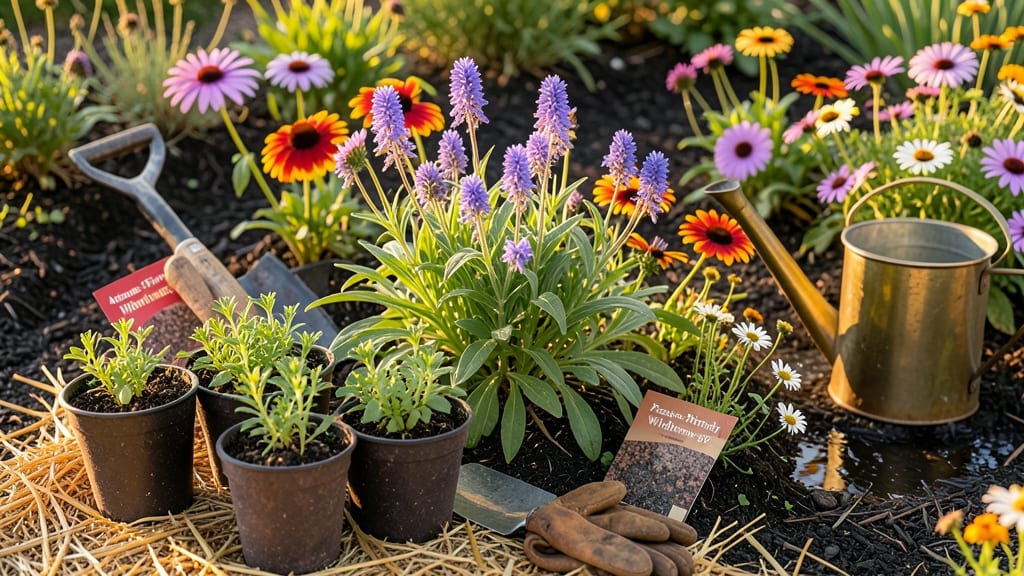
Planting flowers in Arizona at the right time is the difference between a garden that thrives and one that fades before it even blooms.
If you’ve ever watched your 🌸 wilting under the relentless sun or struggling to take root in the wrong season, you know timing is everything. Arizona’s desert climate demands precision—plant too early, and the heat zaps your seedlings; too late, and you miss the cooler months when roots can establish.
Here’s the secret: fall and early winter are your golden windows for most flowers, when temperatures dip just enough to give plants a fighting chance.
But not all flowers are created equal—annuals, perennials, and desert natives each have their own ideal schedule, and skipping this step means wasted effort (and money).
In this guide, I’ll break down the exact months to plant by Arizona’s heat zones—from Phoenix’s scorching Low Desert to Flagstaff’s cooler High Desert—plus the top 5 drought-proof flowers that actually love the heat. No more guesswork, just a garden that stays vibrant all year.
Arizona’s heat zones explained: best flower planting months by region
Arizona’s diverse USDA heat zones (9b–11) create unique challenges for gardeners. The Low Desert (Phoenix, Tucson) bakes at 110°F+ in summer, while the High Desert (Flagstaff, Prescott) sees cooler nights and earlier frosts.
Understanding these zones helps you time plantings for success—avoiding summer’s brutal heat while capitalizing on fall’s ideal conditions.
Most annual flowers thrive when planted in fall (September–November) or early spring (January–March). Perennials like desert marigolds and blackfoot daisies establish roots in cooler months, while heat-loving bougainvillea waits for summer’s return. Temperature thresholds for germination range from 60°F–75°F, making timing everything.
| Region | USDA Zone | Best Planting Months | Key Temperature Thresholds | Flowers to Plant |
|---|---|---|---|---|
| Low Desert (Phoenix, Tucson) | 10a–11 | Sep–Nov, Jan–Mar | 60°F–75°F (germination), avoid >95°F | Desert Marigold, Bougainvillea, Lantana |
| High Desert (Flagstaff, Prescott) | 7b–9a | Aug–Oct, Feb–Apr | 50°F–65°F (germination), frost risk after Dec | Blackfoot Daisy, Penstemon, Russian Sage |
| Central Arizona (Mesa, Tempe) | 9b–10a | Sep–Nov, Jan–Feb | 65°F–70°F (germination), avoid summer heatwaves | Zinnias, Portulaca, Gazania |
| Urban Oases (Tucson Mountains) | 9a–9b | Oct–Nov, Jan–Mar | 60°F–72°F (germination), microclimates vary | Aloe Vera, Yucca, Agave |
In the Low Desert, where zone 11 dominates, September–November is prime time for annuals like zinnias and portulaca. These months offer cooler soil temperatures (ideal for germination) and lower evaporation rates. Transplanting perennials like bougainvillea in late winter (February–March) lets roots establish before summer’s fury.
The High Desert’s cooler nights (zones 7b–9a) shift planting to August–October for fall blooms and February–April for spring. Blackfoot daisies and Russian sage thrive here, thanks to well-draining soils and lower humidity. Always check frost dates—Flagstaff’s last frost can linger into May, delaying spring plantings.
Central Arizona’s transition zones (9b–10a) blend strategies: September–November for heat-sensitive annuals and January–February for spring bloomers. Zinnias and gazanias love this climate’s intense sunlight, but mulch heavily to retain moisture. Avoid planting in June–August unless you’re growing heat-tolerant natives like desert marigolds.
Urban microclimates—like Tucson’s foothills—can vary 10°F+ from city centers. Test soil temperatures with a thermometer before planting; 60°F–70°F is ideal for most seeds. Succulents and cacti (like aloe vera) thrive in these zones year-round, while tender annuals need shade cloth in peak summer.
Pro tip: Soil prep is non-negotiable. Amend sandy desert soils with compost to improve water retention, but avoid heavy clay amendments—they bake hard in summer. Drip irrigation in early morning minimizes evaporation and fungal risks. For container gardening, use fast-draining mixes with perlite or pumice.
Timing isn’t just about months—it’s about temperature cues. Wait until soil thermometers read 65°F+ for warm-season seeds (like lantana) or 50°F–60°F for cool-season bloomers (like snapdragons).
In zone 11, even transplanting shock can be deadly if done in 100°F+ heat—opt for early morning or late afternoon slots.
Remember: <
Top 5 flowers that thrive in Arizona’s extreme climate (and when to plant them)
Arizona’s brutal summers and unpredictable monsoons demand heat-resistant flowers that thrive with minimal water. The key to success? Planting at the right time—fall or early spring—when temperatures are cooler and soil moisture is more reliable.
These top 5 drought-tolerant flowers are perfect for Arizona’s USDA Zones 7b–11, offering vibrant blooms with minimal fuss once established.
Whether you’re in the Low Desert (Phoenix) or High Desert (Flagstaff), these flowers adapt to extreme conditions. Desert marigolds and blackfoot daisies are native favorites, while bougainvillea and pentas add tropical flair without guzzling water.
Let’s dive into their ideal planting windows, watering needs, and sun exposure requirements to keep your garden flourishing year-round.
⚠️ PRO TIP: Always amend your soil with organic compost before planting. Arizona’s native soil can be alkaline and nutrient-poor, so a 2–3 inch layer of mulch will retain moisture and regulate soil temperature.
For Low Desert areas like Phoenix or Tucson, focus on fall planting (September–November) to beat the summer heat. These months provide cooler soil temperatures and lower evaporation rates, giving seedlings a fighting chance.
In the High Desert (e.g., Prescott or Flagstaff), you can extend planting into late spring (April–May) thanks to cooler nights.
Once established, most of these flowers require minimal watering. Aim for a deep soak every 2–3 weeks during summer, and reduce to monthly watering in winter. Always water at the base of the plant in the early morning to prevent fungal diseases.
Avoid overhead watering—it wastes precious moisture and can scorch delicate petals under the intense Arizona sun.
Don’t forget to deadhead spent blooms regularly to encourage continuous flowering. This is especially important for annuals like pentas and perennials like desert marigolds, which reward you with longer bloom seasons when you remove faded flowers.
With the right timing and care, these five heat-loving flowers will turn your Arizona garden into a year-round paradise.