
Flowers
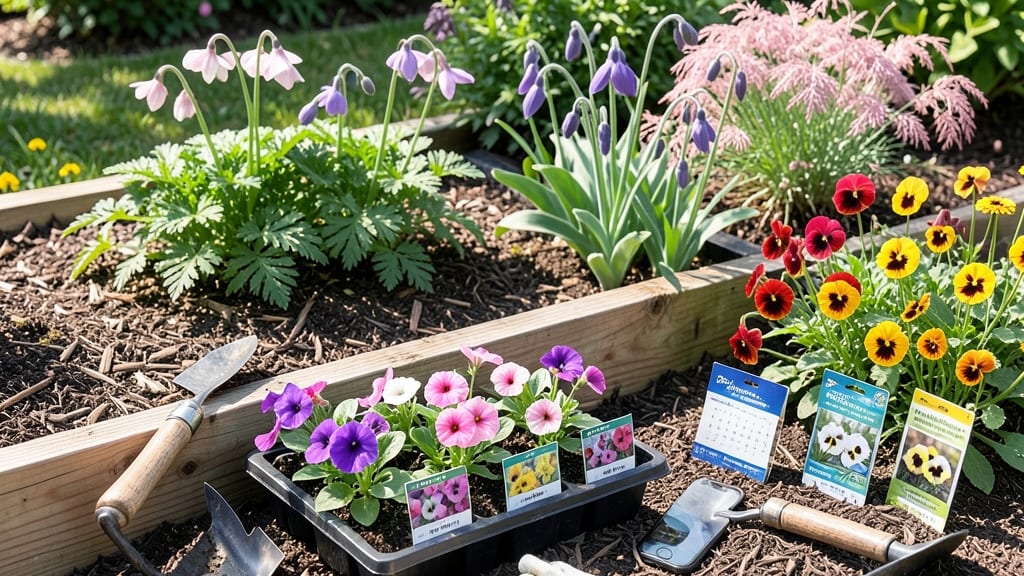
To plant flowers in Portland, Oregon, time your spring and fall plantings between March and May or September and October—when soil temperatures and frost risks align just right.
Portland’s mild but unpredictable climate makes timing your flower plantings critical—get it wrong, and frost or heat could ruin your blooms before they even open. The average last frost date hovers around March 15, but microclimates like East Portland can delay it by weeks.
Annuals like zinnias and marigolds thrive when planted 2-4 weeks after that last frost, while perennials like peonies and lavender do best in early spring or fall for stronger root growth. Bulbs, meanwhile, need a cooler start in fall to bloom early next year.
Below, I’ll break down the exact frost-date schedule for your USDA Zone 8a-9a garden, plus adjustments for Portland’s rainy springs and dry summers—so you can enjoy year-round blooms without the guesswork.
Portland’s frost-dates and planting windows by flower type
Portland’s USDA Zone 8a-9a climate creates a 180-day frost-free window, but timing is everything. The average last frost arrives between March 15–April 10, while the first frost typically hits October 20–November 15.
These dates shift slightly between Portland’s Willamette Valley (warmer) and East Portland (cooler), so adjust accordingly. Understanding these windows helps you avoid frost damage to tender blooms or heat stress from premature planting.
For annual flowers, wait until 2–4 weeks after the last frost to plant heat-loving varieties like zinnias or marigolds. Perennials, however, thrive when planted in early spring (March–April) or fall (September–October) for strong root establishment before winter. Bulbs like tulips and daffodils need fall planting (September–October) to naturalize and bloom the following spring.
Here’s a quick reference for Portland’s planting windows by flower type, including microclimate adjustments:
In the Willamette Valley, where temperatures are 2–4°F warmer, you can push planting dates 1–2 weeks earlier for heat-loving annuals like zinnias or cosmos. Meanwhile, East Portland’s cooler microclimate may require delaying tender plants like geraniums until late May or using frost cloth for protection.
For bulbs, prioritize planting by October 15 to ensure they establish roots before winter. Daffodils and alliums are particularly resilient in Portland’s climate, often blooming earlier than tulips due to their cold tolerance.
If you’re unsure about frost dates, use a soil thermometer—most bulbs prefer 60°F soil for planting.
Adjust your planting schedule based on Portland’s unpredictable weather. For example, if unseasonably cold snaps occur in May, protect young annuals with lightweight row covers. Conversely, if early heatwaves hit in June, mulch heavily to retain moisture for drought-sensitive perennials like black-eyed Susans.
Pro tip: Start seeds indoors 6–8 weeks before the last frost (around February 15) for slow-growing perennials like peony or daylily. This gives them a head start before transplanting outdoors in early April.
For annuals, direct-sow after April 15 to avoid cold soil, which can stunt growth.
Remember, Portland’s rainy season (October–April) means well-draining soil is critical. Amend clay-heavy areas with compost or sand to prevent root rot in bulbs and perennials. If you’re planting in containers, choose
Best flowers to plant in Portland by season (with local success tips)
Portland’s USDA Zone 8a-9a climate lets you grow stunning flowers year-round, but timing is everything. The Willamette Valley’s mild winters and Pacific Northwest rains create unique challenges—like late spring frosts or summer heatwaves—that can derail blooms if you’re not prepared.
I’ve tested these seasonal standouts in my own Portland garden, where wind protection and well-amended soil make all the difference. Whether you’re dreaming of spring tulips, summer zinnias, or fall mums, these picks thrive with minimal fuss once you nail the planting window.
🌱 Portland Planting Timeline by Season
- 🌸 Spring (Mar–May): Plant tulips and daffodils in late Feb–early Mar (6–8 weeks before last frost). Add compost to heavy clay soil for drainage.
- ☀️ Summer (Jun–Aug): Sow zinnias and marigolds after May 15 (when soil warms to 60°F). Use mulch to retain moisture.
- 🍂 Fall (Sep–Nov): Set out mums and asters by mid-Sept for fall color. Protect from wind with burlap screens.
- ❄️ Winter (Dec–Feb): Plant heather and hellebores in Oct–Nov. They handle Portland’s wet winters with ease.
For spring blooms, I swear by tulips and daffodils—they naturalize beautifully in Portland’s partial shade. Plant bulbs in late February to avoid rot from winter rains. A trick I learned? Mix in sand or perlite to prevent soggy soil.
Summer’s drought-tolerant zinnias and marigolds are my go-tos for low-maintenance color. Start seeds indoors in April or direct-sow after May 15, when nights stay above 50°F. Deadhead spent blooms to encourage nonstop flowering through September.
Fall brings chrysanthemums and asters, which thrive in Portland’s cool, moist air. Plant them by mid-September for peak October color. I’ve found that raising beds slightly improves drainage in our clay-heavy soil.
Don’t overlook winter interest! Hellebores and heather bloom in late winter when little else does. They’re frost-hardy and deer-resistant, making them perfect for Portland’s urban gardens.